Article
Mohini Jhunjhunwala
22/09/2026
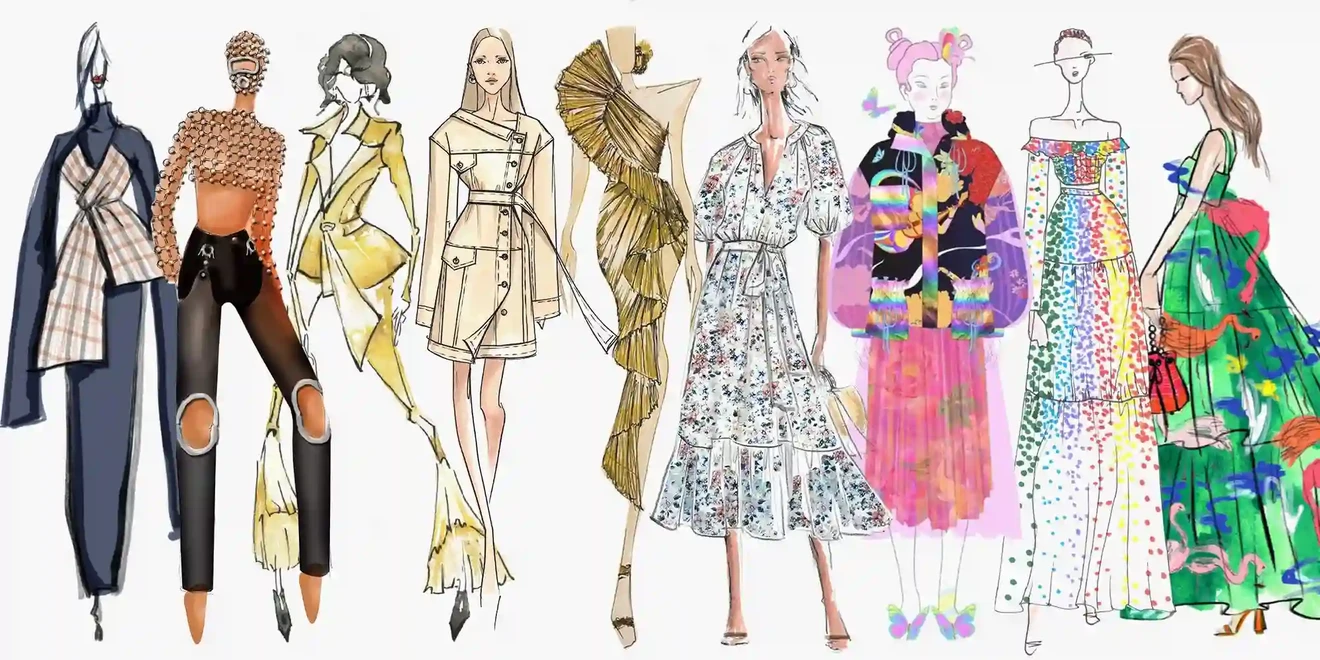
Twelve of the designers who shaped modern fashion, from Gianni Versace and Yves Saint Laurent to Alexander McQueen and Manish Malhotra, each left behind a line worth remembering. This guide pairs every quote with what it means and a few lesser-known facts about the person who said it, including Manish Malhotra’s early days as a model and the costume designer who inspired a Pixar character.
Table of contents
- Gianni Versace
- Yves Saint Laurent
- Manish Malhotra
- Miuccia Prada
- Marc Jacobs
- Alexander McQueen
- Giorgio Armani
- Cristóbal Balenciaga
- Hubert de Givenchy
- Ralph Lauren
- Edith Head
- Vivienne Westwood
- How UDIT Turns These Ideas Into a Career
- Frequently Asked Questions About Fashion Quotes
The greatest fashion designers are remembered for what they said almost as much as for what they made. A single line from Yves Saint Laurent or Giorgio Armani can sum up an idea about style that most people take years to work out, and it is usually less about clothes than about confidence and knowing who you are. That is why these quotes have outlasted the trends the designers worked in.
What makes a designer iconic is a clear point of view, not just one hit collection. These 12 quotes are a short window into how some of fashion’s biggest names thought about their craft, and into the scope of fashion design itself. Whether you are studying fashion design or simply love it, they are worth reading closely.
Here are 12 memorable quotes by iconic fashion designers that inspire:
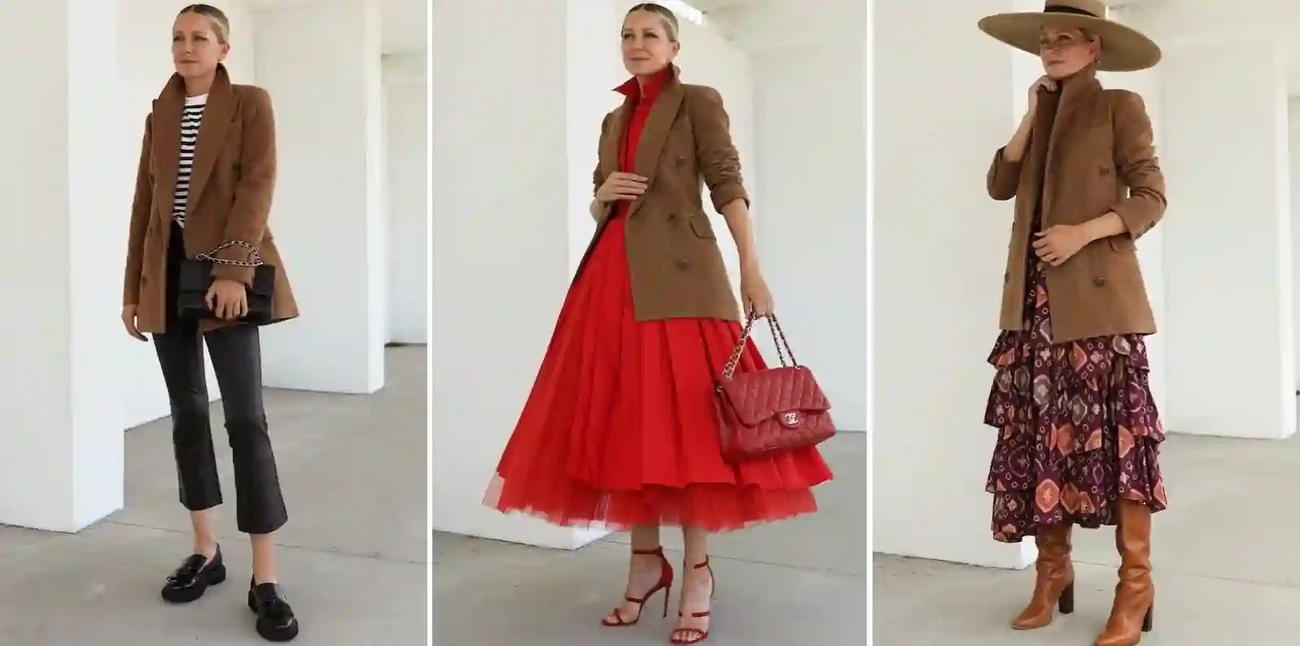
Image Courtesy: Urbsuburbstyle
These twelve designers span more than a century of fashion, from Paris couture houses to Milan runways to India’s biggest ateliers, yet their advice keeps circling back to the same idea: find your own voice and let your clothes speak it. Each quote below comes with a short note on what the designer meant and three lesser-known facts about them, so read these as working principles, not just pretty lines.
1. Gianni Versace

Image Courtesy: Biography
“Don’t be into trends. Don’t make fashion own you, but you decide what you are, what you want to express by the way you dress and the way to live.” —Gianni Versace
Italian designer Gianni Versace would not want you to become a yes-man or a yes-woman. His audacious designs, from power-dressing bombshells to fearless colour and texture explorations, were a rebellion against conformity. Versace saw fashion as a megaphone for self-expression, a way to project confidence and forge your own path. Following trends blindly makes you a follower, not a leader.
Three Things You Might Not Know About Gianni Versace
- Versace’s fashion education began at home. His mother, a dressmaker, gave him his first runway: her boutique.
- Versace’s empire wasn’t a solo act. He launched his label, Gianni Versace SpA, in 1978 with his brother Santo and his fashion-forward sister, Donatella.
- Versace staged his seasonal fashion shows like rock concerts that included the likes of Elton John and Madonna. In fact he was the first one to involve celebrities.
2. Yves Saint Laurent
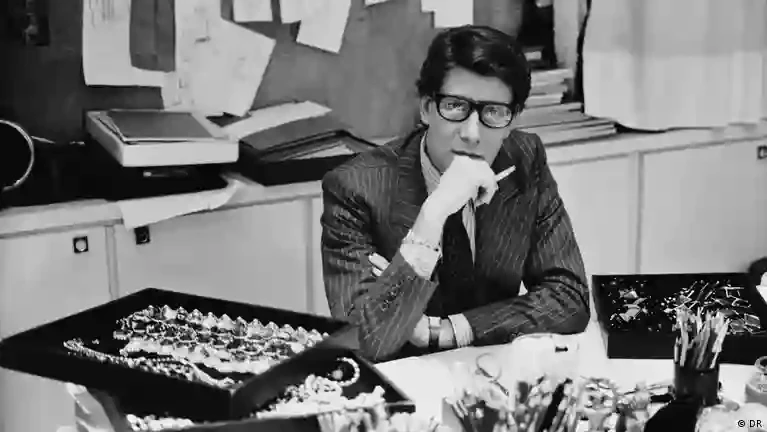
“Fashions fade, style is eternal.” —Yves Saint Laurent
Fashion is what’s on the runway–trends dictated by designers. Style, however, is what you make of it. It’s personal, a reflection of your unique self and French designer Saint Laurent reflects it absolutely. Don’t get caught chasing trends thanks to the relentless influence of social media and fast fashion. Focus on cultivating your own style—it’ll outlast any fleeting fad.
Three Things You Might Not Know About Yves Saint Laurent
- He gained recognition early in his career in fashion after winning an international design contest and joined Christian Dior as an assistant at just 17.
- His designs incorporate different types of fabrics such as metallic and transparent in his collections. Also introduced the Haute peasant look in the 1970s, inspired by traditional Russian attire.
- He sold the ready-to-wear business to Gucci for around $1 billion in 1999 and shut down the couture house when he retired in 2002.
3. Manish Malhotra

Image Courtesy: The Week
“Stay true to your DNA, But keep reinventing yourself” — Manish Malhotra
Indian designer Manish Malhotra hits the style sweet spot: embrace who you are, but don’t be afraid to evolve. His message? Stay true to yourself, but play with fashion!
Three Things You Might Not Know About Manish Malhotra
- Manish Malhotra, a celebrated figure in the Indian fashion industry, has dominated the costume design industry for over three decades. However the fun part is he had the best of both worlds—he started his career as a model.
- He never went to design school and learned everything about designing through experience.
- He created a traditional sherwani for Michael Jackson in a single day, reportedly without taking his measurements.
4. Miuccia Prada
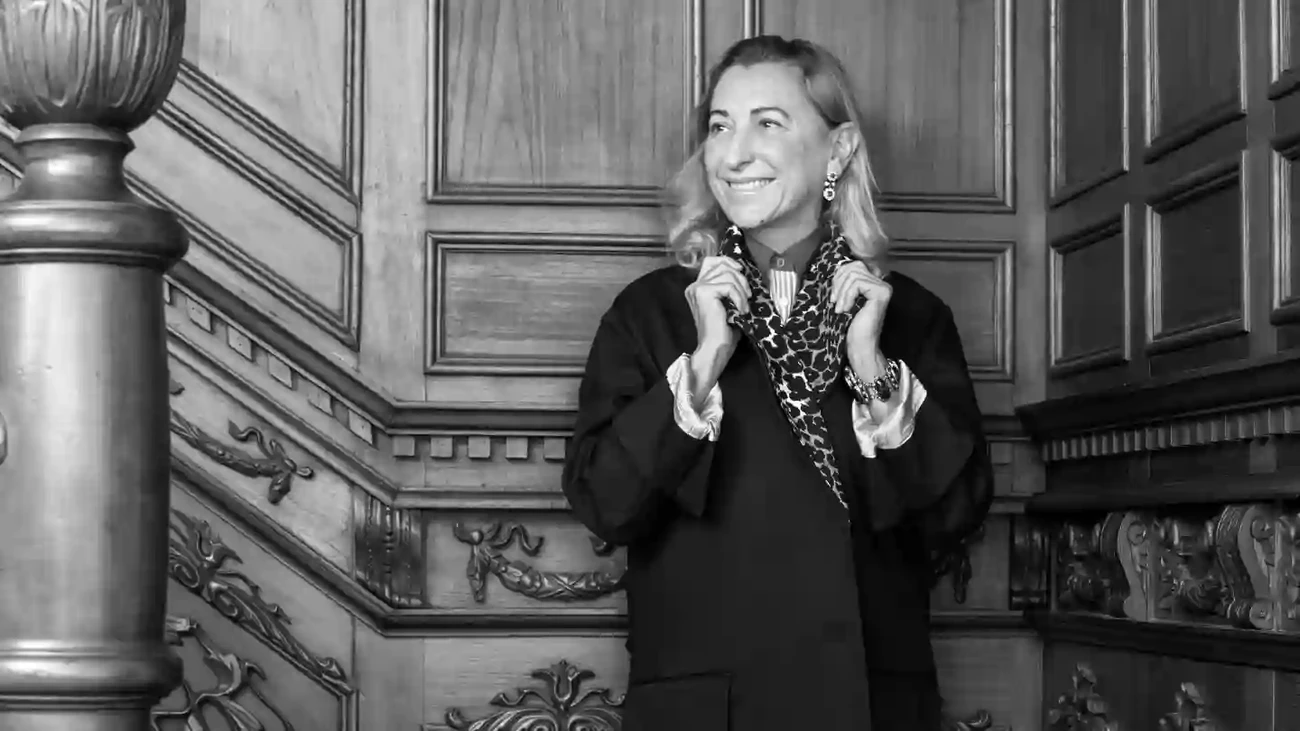
Image Courtesy: Financial Times
“What you wear is how you present yourself to the world, especially today when human contacts are so quick. Fashion is instant language.” — Miuccia Prada
Clothing speaks volumes, it’s your silent language. Prada reminds us fashion is self-expression, a first impression that shouts your individuality without a word. Powerful stuff in today’s fast-paced world.
Three Lesser Known Things About Miuccia Prada
- Italian fashion designer Miuccia Prada, originally known as Maria Bianchi is best known for using minimalist designs to achieve a traditional style with modern influence.
- In 1978, she took over her family’s struggling luxury goods business, Fratelli Prada, and met a leather goods manufacturer at a trade fair, leading her to produce a line of unlabeled handbags to revive the company.
- With the encouragement of her business partner and husband, Patrizio Bertelli, Miuccia revolutionised the company by introducing ready-to-wear in 1988.
5. Marc Jacobs
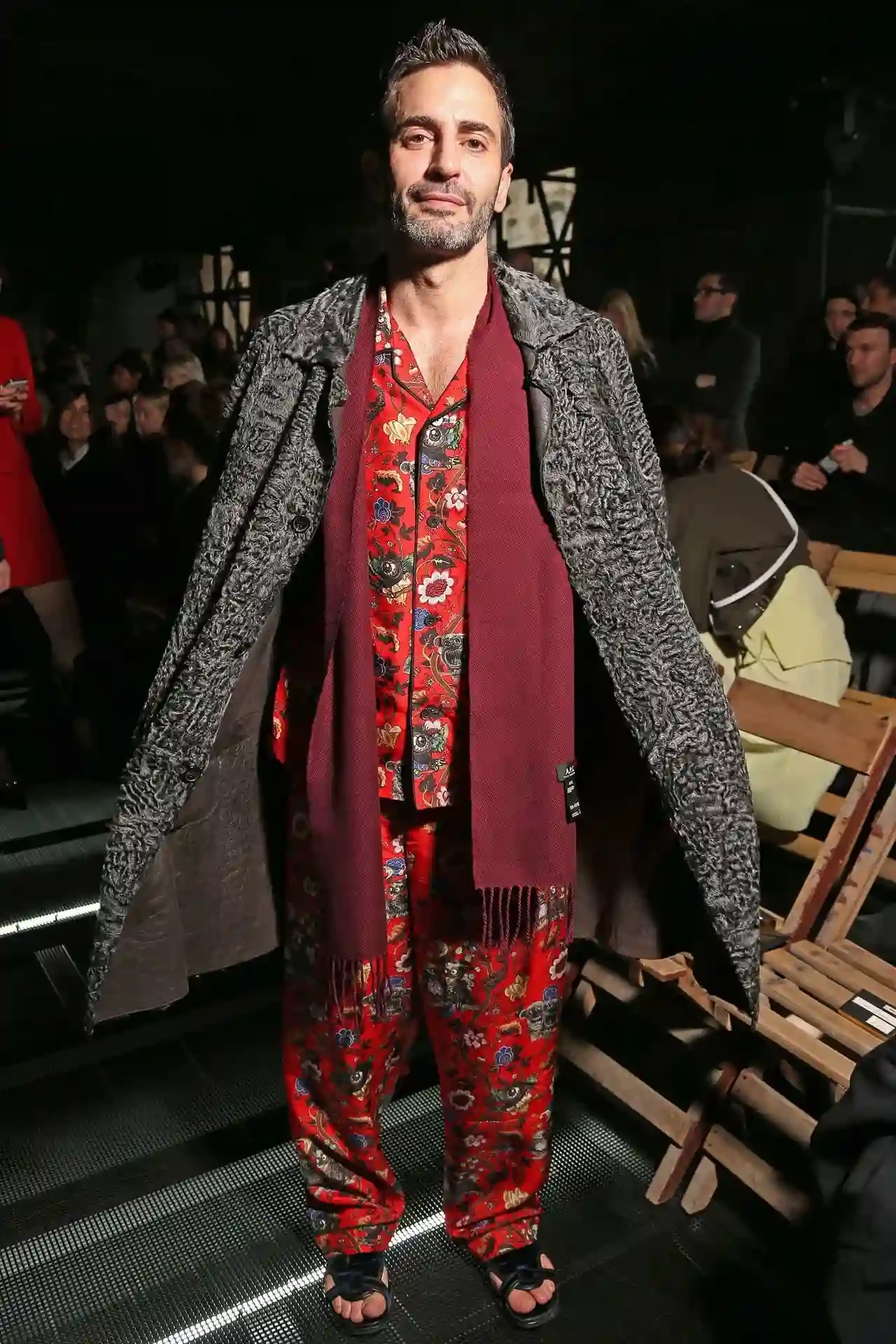
Image Courtesy: Glamour
“Clothes mean nothing until someone lives in them” — Marc Jacobs
American fashion designer Marc Jacobs emphasises that clothing gains significance when styled by the wearer, highlighting the personal connection between individuals and their garments. This underscores how clothing shapes and expresses identity, experiences, and lifestyle, becoming meaningful through the wearer’s interactions.
Three Things You Might Not Know About Marc Jacobs
- Marc Jacobs began his journey in fashion as a teenager after learning knitting from his grandmother and later worked with designer Perry Ellis, who became his mentor.
- In 1997, Jacobs signed on as creative director for Louis Vuitton, where he revitalised the brand, designing its first line of ready-to-wear clothing and getting more into accessory design.
- His first customer was the actress Julia Roberts at his own Marc Jacobs label store.
6. Alexander McQueen
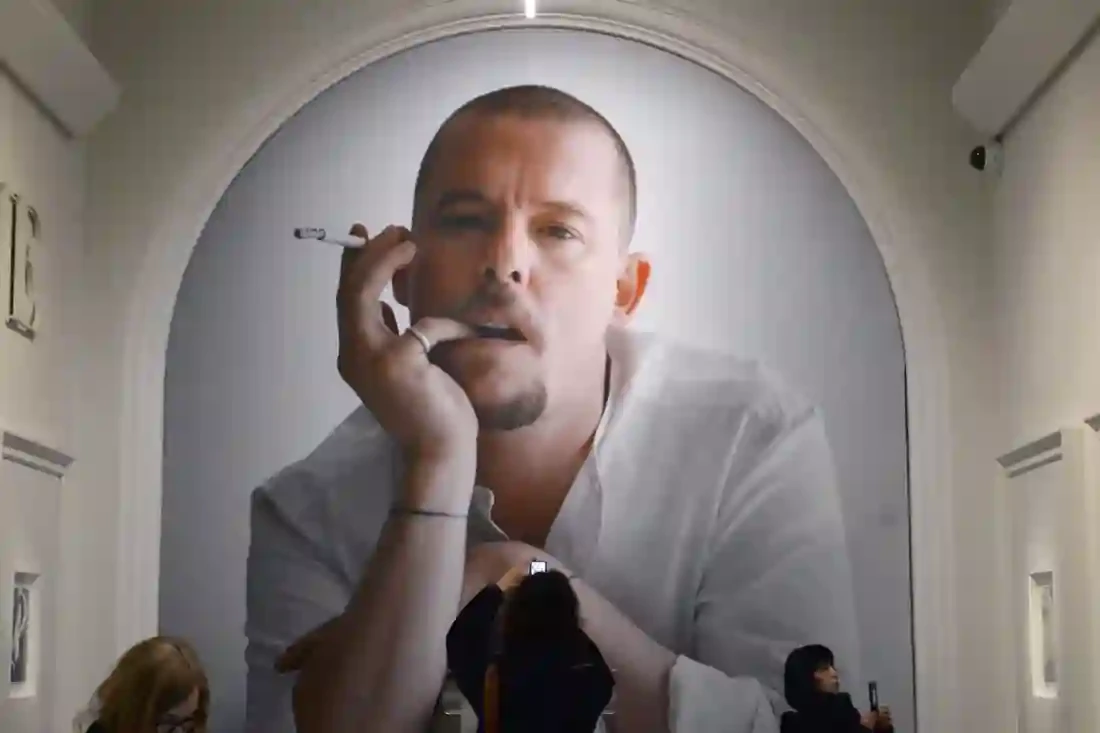
Image Courtesy: AFR
“Fashion should be a form of escapism, and not a form of imprisonment.” – Alexander McQueen
British fashion designer and icon Alexander McQueen believes fashion should liberate rather than restrict. He suggests fashion can transport individuals to realms of imagination and creativity, enabling them to escape everyday confines.
Three Things You Might Not Know About Alexander McQueen
- Alexander McQueen rose to fame starting his career in fashion as a tailor at 16.
- Named British Designer of the Year in 1996, he became the head designer at Givenchy, while still producing groundbreaking work under his own design label.
- He had a flair for drama and orchestrated provocative fashion shows that shocked audiences.
7. Giorgio Armani
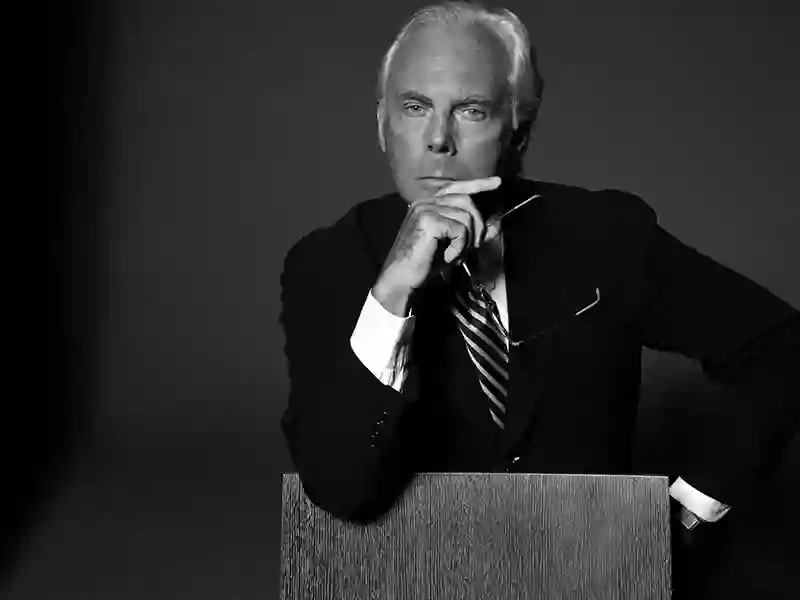
Image Courtesy: Italiani
“Elegance is not about being noticed, it’s about being remembered.” — Giorgio Armani
Italian designer Giorgio Armani suggests true elegance lies in subtle refinement, leaving a lasting impression rather than drawing attention. He emphasizes that grace and authentic style have a more enduring impact than being the center of attention.
Three Things You Might Not Know About Giorgio Armani
- After leaving medical school to pursue fashion, he worked as a buyer before launching his own label in 1975.
- Armani’s androgynous approach to fashion revolutionised the industry, with his minimalist style gaining popularity, notably with the film “American Gigolo”.
- Armani served as a Goodwill Ambassador for the United Nations High Commissioner for Refugees and designed uniforms for various athletic teams.
8. Cristóbal Balenciaga
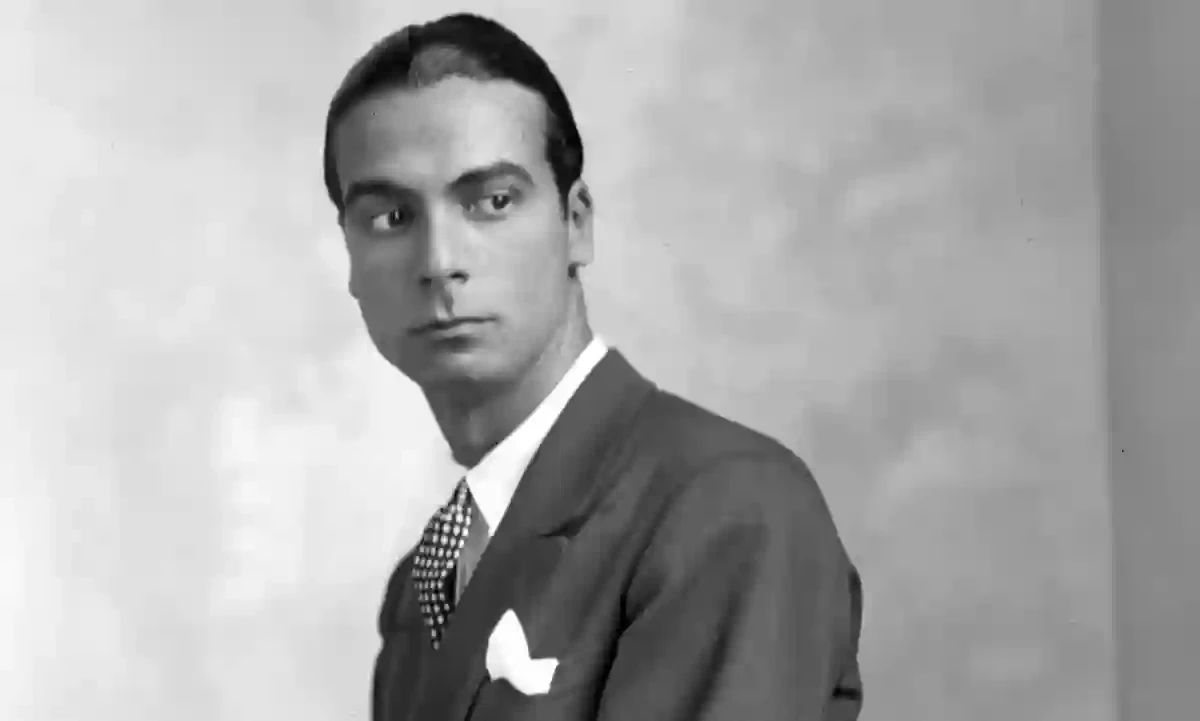
Image Courtesy: The Guardian
“Elegance is elimination.” — Cristóbal Balenciaga
Spanish dress designer Cristóbal Balenciaga says that true elegance is achieved by removing the excess, rather than the addition of ornaments and by stripping away the unnecessary distractions.
Three Things You Might Not Know About Cristóbal Balenciaga
- He began studying dressmaking at 10 after his father’s death when his mother supported the family by sewing.
- At 15, his first trip to Paris inspired him to become a couturier, and by 20 he had his own boutique in San Sebastián in Spain.
- In the next 15 years, he became Spain’s leading couturier before relocating to Paris in 1937 due to the Spanish Civil War.
9. Hubert de Givenchy
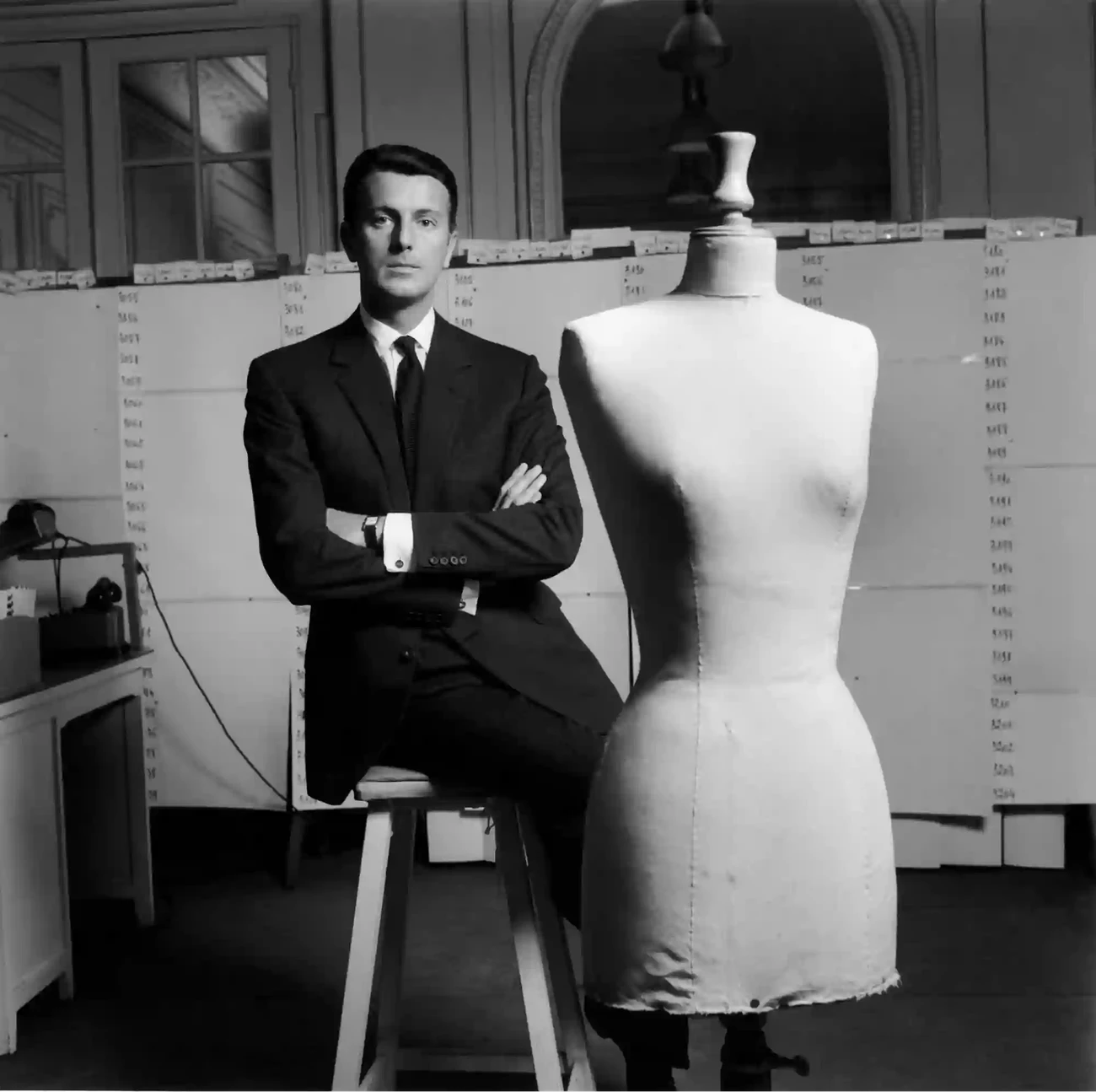
Image Courtesy:The New York Times
“The dress must follow the body of a woman, not the body following the shape of the dress.” — Hubert de Givenchy
French fashion designer Hubert de Givenchy believed that clothes should be tailored to fit the person wearing them, not the other way around. True elegance and beauty arise when clothing is designed to flatter and harmonise with the wearer’s physique.
Three Things You Might Not Know About Hubert de Givenchy
- He was especially known for the outfits he created for actress Audrey Hepburn.
- Apprenticed to Jacques Fath at 17, he swiftly climbed the fashion ladder, working for esteemed houses like Robert Piguet and Elsa Schiaparelli.
- His “Bettina blouse,” named for a popular model, reintroduced tailored shirts into high fashion.
10. Ralph Lauren
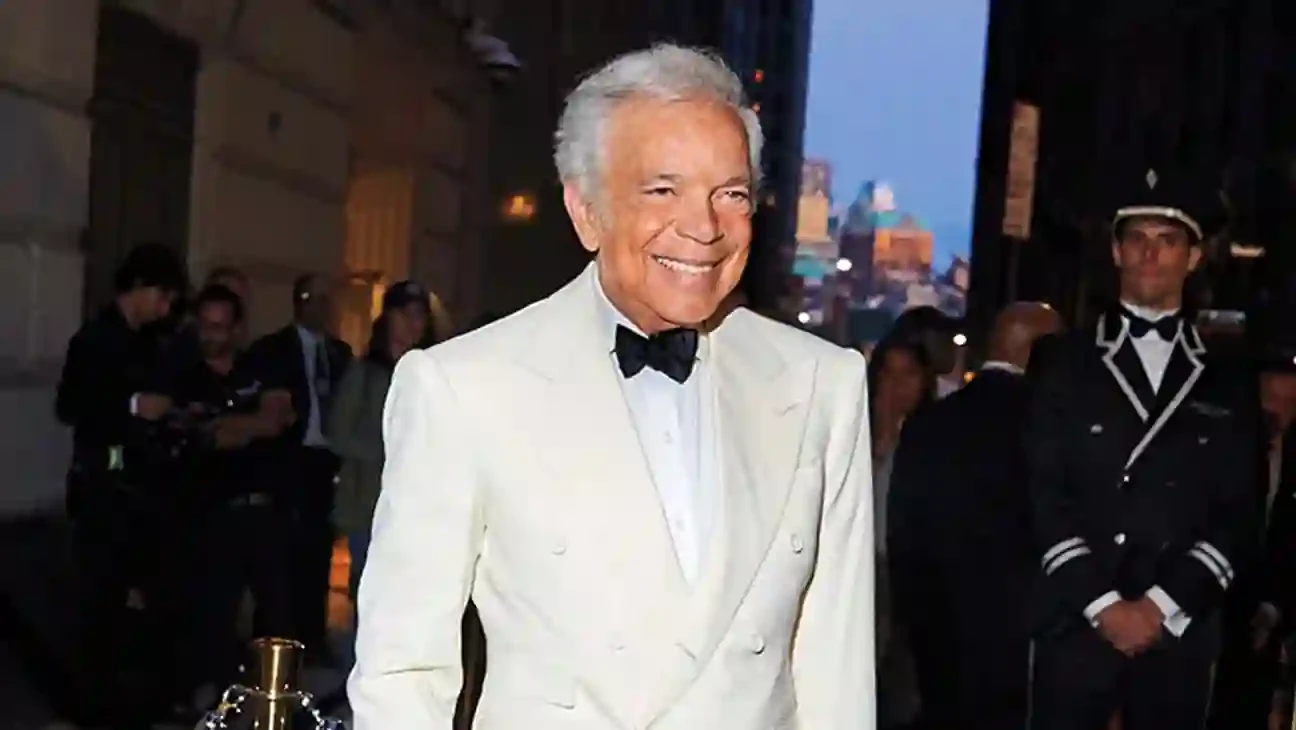
Image Courtesy: The Hollywood Reporter
“I don’t design clothes. I design dreams.” — Ralph Lauren
American fashion designer Ralph Lauren believed that fashion has the ability to inspire and transport people to a realm of imagination and possibility. Clothing is not just a utility but also serves as a means of storytelling and self-expression.
Three Things You Might Not Know About Ralph Lauren
- Starting with a unique line of ties marketed under the name ‘Polo’, his creations exuded a rich style inspired by English aristocracy and adapted by the American East Coast elite.
- His signature piece, the mesh sport shirt featuring a polo player emblem, debuted in 1972.
- He gained nationwide recognition after creating the looks for the 1974 film adaptation of The Great Gatsby and creating clothing for Annie Hall in 1977.
11. Edith Head
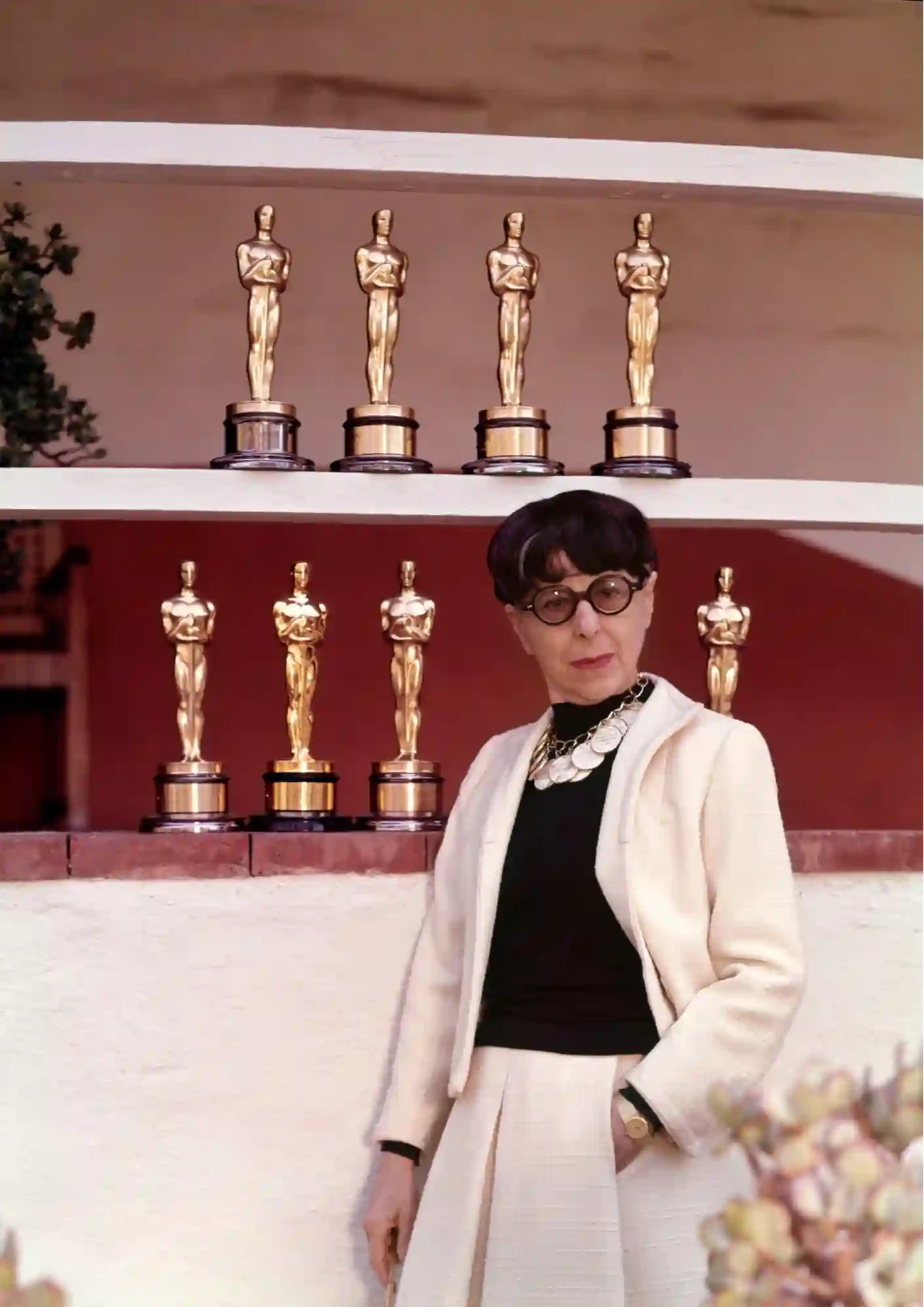
Image Courtesy: Oscars.org
You can have anything you want in life if you dress for it. — Edith Head
American costume designer Edith Head suggests that one’s attire plays a significant role in shaping their opportunities and outcomes in life. Head implies that dressing appropriately for one’s goals and aspirations can boost their confidence and manifest their ambitions.
Three Things You Might Not Know About Edith Head
- The eight-time Academy Awards winners helped define the style of classic Hollywood with her striking work at Paramount and Universal.
- She inspired the character of Edna Mode in The Incredibles.
- Surprisingly, she only liked to wear four colours herself: black, white, beige and brown.
12. Vivienne Westwood
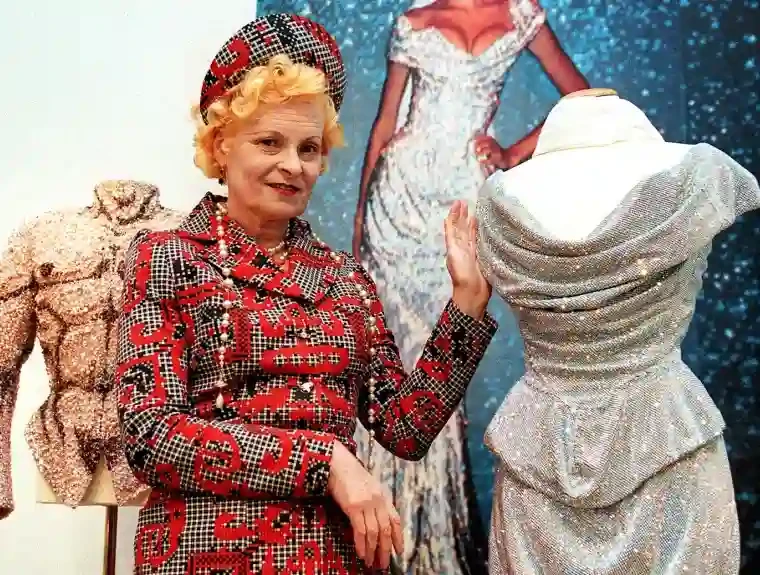
Image Courtesy: NBC
“Fashion is very important. It is life-enhancing and, like everything that gives pleasure, it is worth doing well.” —Vivienne Westwood
Vivienne says that fashion is not shallow, it plays a vital role in enhancing our existence. Like other pleasurable pursuits, such as art or music, fashion can uplift our lives and moods when approached with care and excellence.
Three Things You Might Not Know About Vivienne Westwood
- Originally a schoolteacher, Westwood became a self-taught designer after meeting McLaren in 1965.
- Together, they operated a boutique selling second-hand 1950s vintage clothing and customised T-shirts with shocking anti-establishment slogans, which became a fashion centre for the youth.
- Westwood’s “mini-crini” design, introduced in 1985, marked a turning point in her career in fashion.
How UDIT Turns These Ideas Into a Career
A quote can spark a point of view, but a career in fashion is built by making. At UDIT (formerly IIAD), the B.Des Fashion Design programme is make-first: students move from research and mood boards to draping, pattern making and finished garments, and take a collection all the way to a graduate runway showcase. That is where a personal voice, the thing every designer above is really talking about, stops being a slogan and becomes a body of work.
New to the field? Start with our guide to what fashion design is, then come back to these quotes and read them as working principles rather than wall art.
Beyond Fashion Design Quotes
These quotes from fashion icons share a common message: find your personal style through experimentation and express yourself confidently through your clothes. They encourage discovering your unique style, daring to be different, and exploring your individuality. Even if you don’t know the principles of fashion, you know your body and style. This approach will bring joy to choosing what to wear each day.
Frequently Asked Questions About Fashion Quotes
1. Who said “Fashions fade, style is eternal”?
That line is by Yves Saint Laurent, the French designer. It draws the line between trends, which come and go, and personal style, which lasts.
2. What is a good fashion quote about self-expression?
Gianni Versace’s “Don’t be into trends. Don’t make fashion own you, but you decide what you are” is one of the most quoted lines on using clothing to express who you are rather than following the crowd.
3. Which designer said “Elegance is elimination”?
The Spanish couturier Cristóbal Balenciaga. He believed true elegance comes from stripping away the unnecessary rather than adding ornament.
4. Why do fashion quotes matter for design students?
Beyond inspiration, they are short summaries of how great designers think, about point of view, restraint, storytelling and staying true to yourself. Reading them alongside a designer’s actual work is a quick way to understand what a strong creative voice looks like before you build your own.
About the Author
Mohini Jhunjhunwala wrote this piece as part of the in-house editorial team at IIAD (now UDIT), where she covered fashion, design and creative careers for students exploring the field. She holds a Bachelor’s degree in Mass Communication and Media Studies and a Post Graduate Diploma in Advertising and Marketing Communication, and has built content and storytelling across digital media, currently as an Assistant Producer for branded content at Times Network. She writes to make design education clear and genuinely useful for people just starting out.
More things to read