Article
Shrankhla Verma
12/08/2026
Overview:
Fashion designing is the work of planning and creating clothing and accessories, from the first idea and sketch to choosing fabric and building a finished garment people can wear. It combines creativity with technical skill. That is the short answer; the rest of this guide explains how it works, how to get into it, and what it pays in India.
If you’ve ever wondered what fashion designing really involves, this blog breaks it down for you by walking you through the creative and technical sides of fashion. It traces the journey from fashion’s early roots to pioneers like Charles Frederick Worth, showing how it evolved with bold trends and social shifts. It discussed design fundamentals, covering sketching, fabric knowledge, illustration, pattern-making, and the full garment creation process. It also touches on future trends, like sustainable and tech-driven fashion, and highlights top colleges in India, making it a perfect starter guide for aspiring designers.
Table of Contents:
- What is Fashion Design?
- Evolution of fashion
- Charles Frederick Worth, the first fashion designer ever
- How to Become a Fashion Designer?
- Fundamentals of Fashion Designing
- The Process of Fashion Designing
- Fashion Illustration and Technical Drawing
- Tools and Equipment For Fashion Designing
- Importance of Fabric Knowledge
- Careers in Fashion Designing
- Best Colleges to Pursue a Fashion Design Degree in India
- Fashion Designing Tips and Best Practices
- What is the future of fashion design?
- FAQs on Fashion Designing
What is Fashion Design?
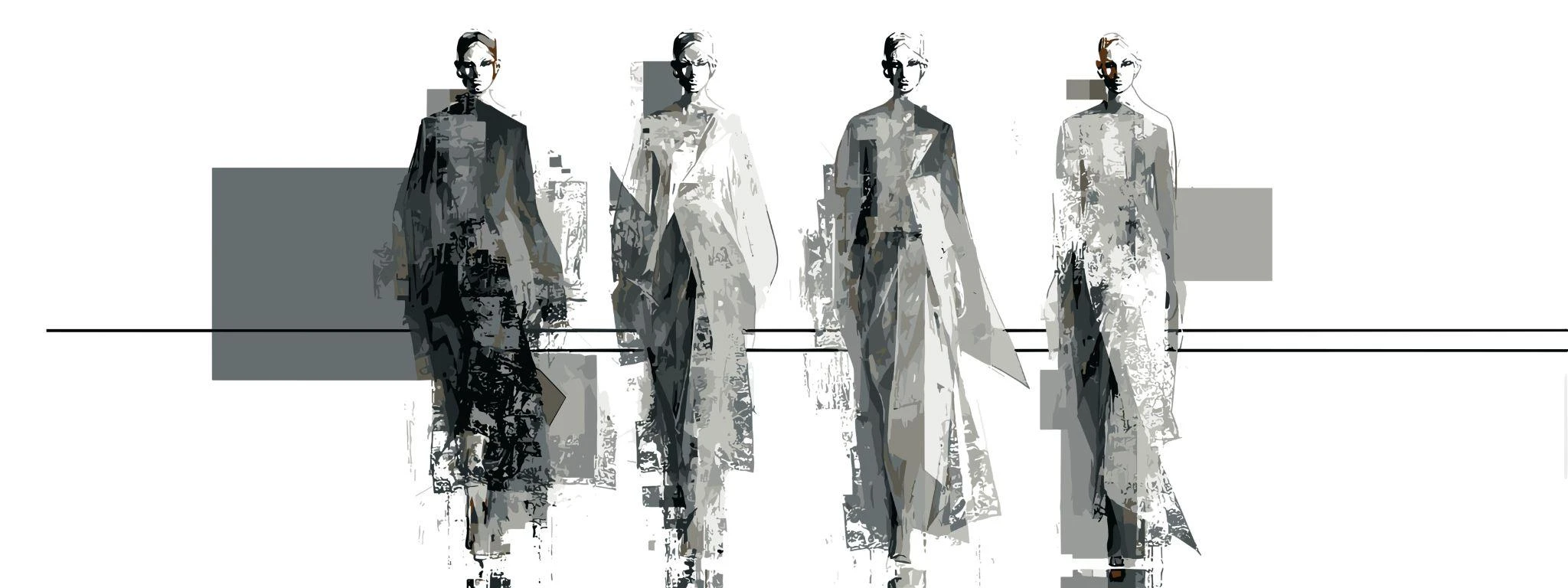
Fashion design is the art of creating styles. Fashion design is a blend of artistry, storytelling and technical skill. Think of it as painting or sculpting, but the art is wearable, so comfort, fit and function matter alongside creativity.
According to Shipra Kukreja Bose, Course Leader of Fashion Design at UDIT, fashion design is best understood as problem-solving with fabric. You start with a person, a context and a material, and you work until the garment fits real bodies and real lives.
Prof. Usha Nehru Patel, Pro Vice Chancellor of UDIT, adds that fashion design is where craft, culture and function meet. In India especially, a good designer learns to read our textile traditions and translate them into clothing people actually want to wear today.
Evolution of fashion
In the early days, fashion design was like a delicate seedling, slowly sprouting amidst the practicality and necessity of garments. As society started to evolve, so did the need for clothing that reflected individual style and self-expression. Visionaries in design used their creative powers to shape the way we dress and present ourselves to the world.
Fashion was rather modest and traditional back in the day, with voluminous skirts, and layers upon layers of fabric. With the winds of rebellion blowing, the 1920s ushered in the era of the flapper, where women discarded their corsets and embraced shorter hemlines, expressing their newfound freedom. The flappers emerged as bold, rebellious women who broke free from societal constraints and redefined the very essence of style.
Enter the 1960s, when bold prints, vibrant colours, and unconventional designs became popular. Mini-skirts, bold prints, neon hues, and swirling colours became the norm, reflecting the spirit of the counterculture movement and breaking all the rules of fashion.
Fast forward to the 1980s, when fashion was all about excess. Big puffy hair, power suits with shoulder pads, and blazing colours. It was a time when fashion dared to be bold, unapologetically embracing the mantra, “The more the better!” Cut to the present day, and we find ourselves in an era where individuality reigns supreme. Through the ages, fashion has been a reflection of our culture, our dreams, and our desires. It has the power to unite, to provoke, and to inspire.
These pioneers of fashion design understood that garments could be more than just functional pieces. They could be vessels of self-expression that convey the spirit of the times. Through their innovative designs and attention to detail, they shaped trends and inspired future generations of designers.
Charles Frederick Worth, the first fashion designer ever
Charles Frederick Worth, the first fashion designer in history, transformed the industry in the 19th century. Known as the “father of haute couture,” he elevated fashion to an art form with meticulous craftsmanship, luxurious fabrics, and personalized designs. Worth’s innovative approach shaped the modern fashion landscape and laid the foundation for the industry’s evolution.
In the mid-1800s, Worth established his fashion house in Paris, where he introduced the concept of presenting seasonal collections and dressing clients in his own creations. He collaborated with clients to create personalised garments that reflected their individual style, marking a shift from standardised attire, and played a significant role in establishing Paris as the fashion capital of the world.
How to Become a Fashion Designer?
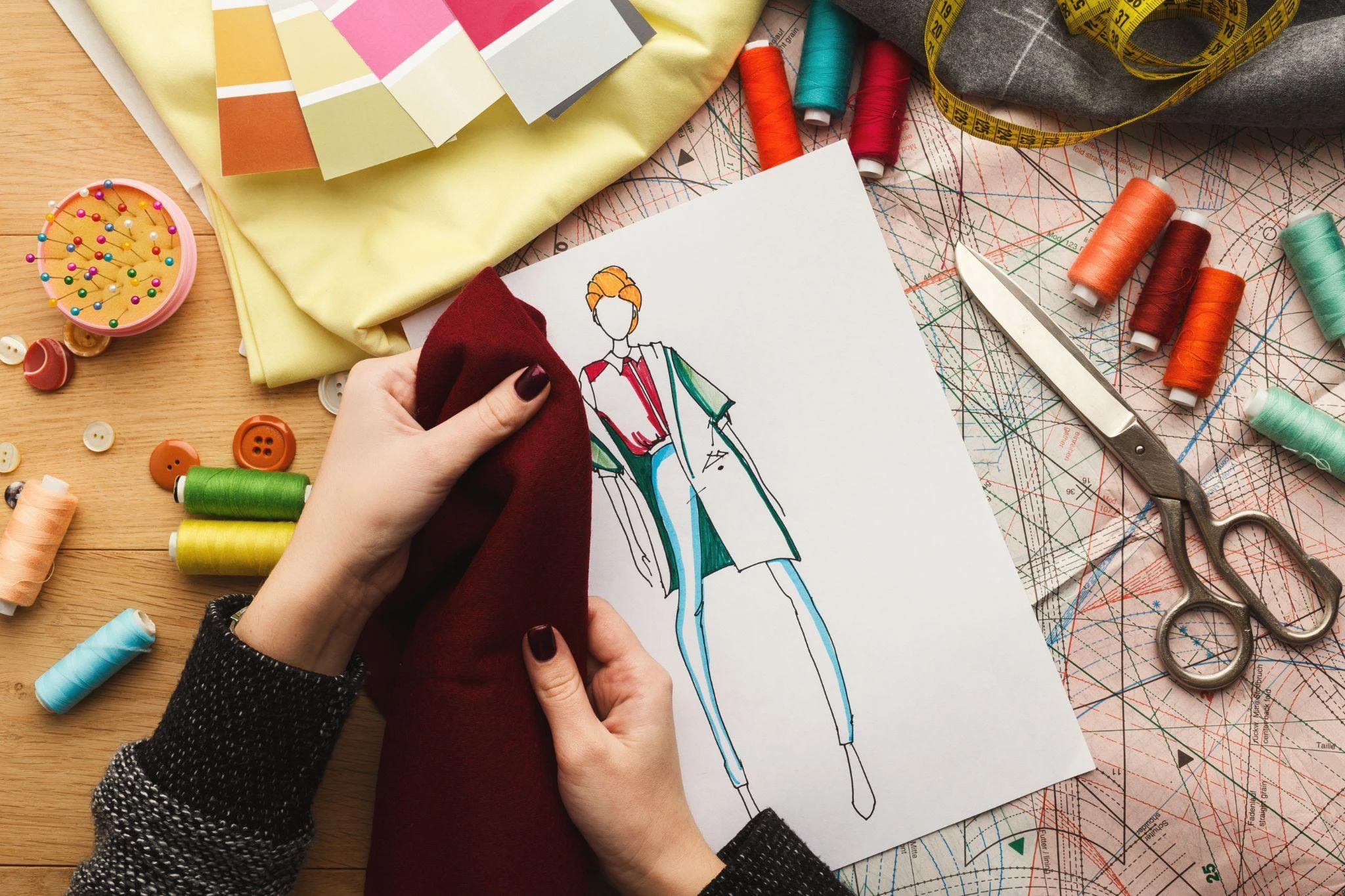
Becoming a fashion designer requires a combination of creativity, technical skills, industry knowledge, and a passion for fashion. It is a competitive field, but with dedication, continuous learning, and a strong portfolio, aspiring designers can carve their path in this exciting and dynamic industry. Here is the path experts at UDIT (formerly IIAD) suggest.
Education and Training: Pursuing a formal education in fashion design, such as a degree or diploma programme, provides a solid foundation. Courses typically cover design principles, garment construction, patternmaking, textiles, and fashion history. Internships or apprenticeships with established designers offer practical experience.
Creative and Technical Skills: A strong sense of creativity and an eye for aesthetics are essential. Proficiency in technical aspects, including sketching and illustration, is crucial to communicate design ideas.
Fashion Knowledge and Trend Awareness: Designers should understand historical and cultural influences on fashion, and be able to forecast future trends.
Business Acumen: Knowledge of the business side, including marketing, sales, production, target markets, consumer preferences and budgeting, contributes to building a successful fashion brand.
Communication and Collaboration: Designers need strong communication skills to convey ideas to clients, manufacturers and team members. The basics of the role involve conceptualising design ideas, creating sketches and technical drawings, selecting fabrics and materials, participating in fashion shows, researching trends, and collaborating with clients, manufacturers and retailers.
Educational and Professional Pathway
The educational and professional pathway in fashion design basically involves pursuing a formal education in the field, which can be achieved by enrolling in fashion design programmes or obtaining a degree from reputable fashion design institutes or colleges.
During the course of study, students gain knowledge regarding the essential skills required in the field of fashion design. They are also provided with opportunities for internships, apprenticeships, and industry collaborations to gain practical experience.
After completing their education, individuals can enter the professional strata by seeking employment with fashion brands, design houses, or starting their own labels. A strong portfolio, networking, continuously developing skills, and staying updated with industry trends are the keys to progressing in the field and securing higher-level positions.
Fundamentals of Fashion Designing
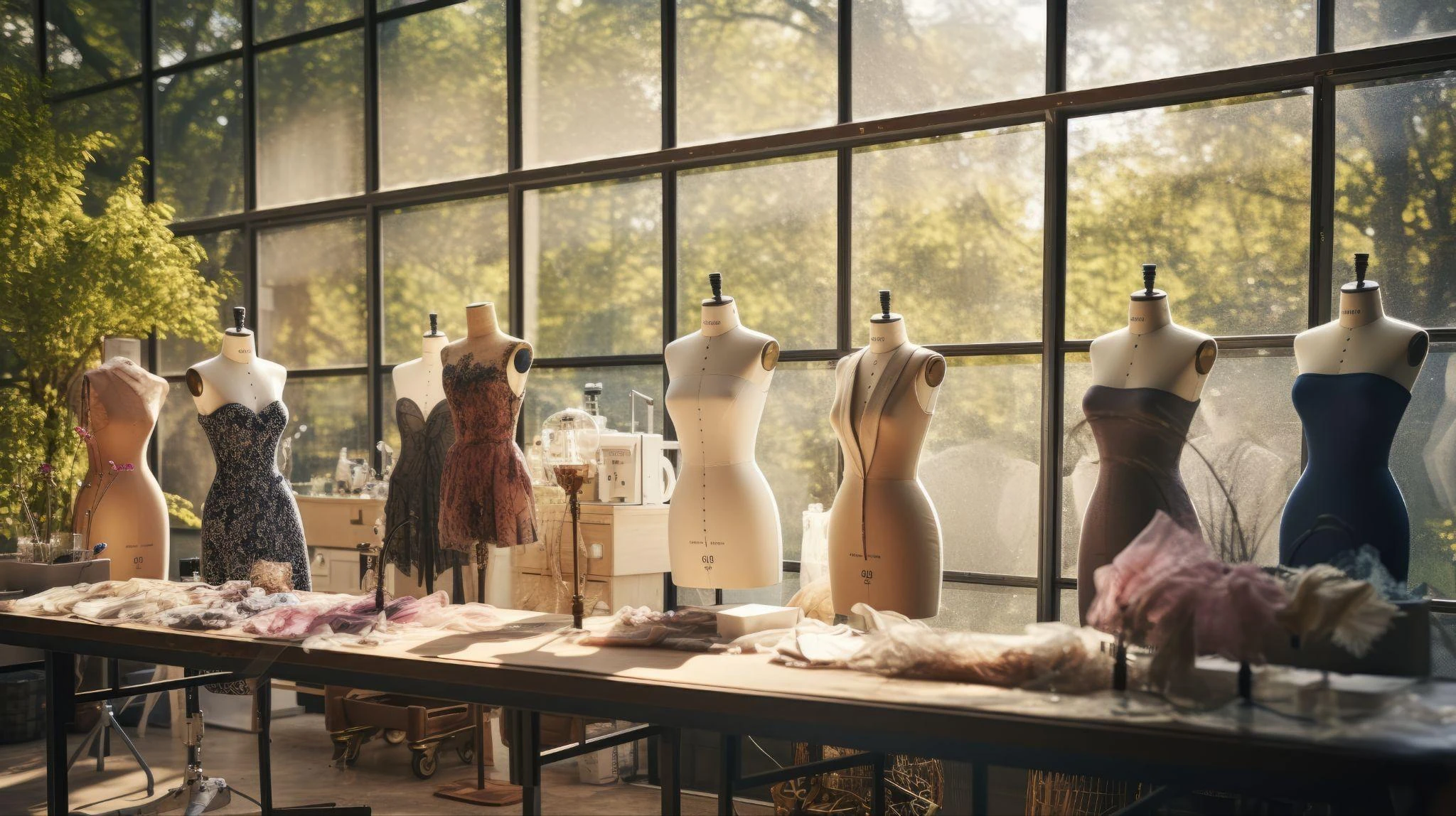
Fashion designing is a creative field that depends on the creativity of the designer, yet there are certain principles that guide the designer throughout and help them make their designs more appealing to the public. Here are a few principles of fashion design that every aspiring designer must know:
Proportion and balance are the keys to a perfect design, as they make the design more visually appealing and are a guide to setting the piece of clothing in just the right place. Closely related to this principle are harmony and unity, which work in a somewhat similar manner as the above and make sure that the garment gives out a cohesive message.
Emphasis and focal point, as the very name suggests, are the main attraction points of the design, and the main element of the design should be enhanced through the use of colours, patterns, and more to draw attention to it. The principles of proximity and negative space define the relationship between the various elements.
Creativity and innovation are the sole ingredients of fashion design, which helps the designers create groundbreaking designs, but while designing, the functionality and practicality of the design must also be kept in mind so that the design is wearable and comfortable along with being stylish. So to speak, the functionality principle keeps a check on the creativity of the designer.
The field of fashion design stands on the foundation of certain elements such as colour, line, shape, texture, balance, proportion, space, rhythm, movement, etc. These elements give life to the creativity in the head of a designer as these are the elements that are mixed, matched, and manipulated by the designers to create fashion that is both aesthetically pleasing and functional.
The Process of Fashion Designing
The process starts with research and inspiration gathering, followed by sketching and creating the initial designs. It is followed by fabric selection, pattern-making, and garment construction. Developed prototypes are refined through fittings and adjustments. After the final design is determined, production and manufacturing begin, including sourcing materials, cutting, sewing and finishing. In the final step, the finished garments are presented through fashion shows, exhibitions or retail channels. Throughout, designers collaborate with pattern makers, seamstresses and stylists to translate their vision into a marketable product.
You can see this process in UDIT students’ own work. For her graduate collection “Vareen Maa,” UDIT student Chandhana R Deva began with research into South Indian temple architecture and its rituals, developed the theme of identity, memory and heritage, and translated it into textile-driven, craft-led garments that she presented at the graduate runway show.
Another example is “Gharsa” by UDIT student Naseeb Sihag, which drew on rural memories and village life, turning childhood nostalgia and everyday textures into contemporary garments. The collection went on to be a finalist at the World of Wearable Arts (WOW).
In “Preserved Memories,” UDIT student Heba Usman reinterpreted the traditional Ajrakh printing technique on leather, using natural dyes and layered silhouettes to celebrate craft and material sustainability.
Fashion Illustration and Technical Drawing
Fashion illustration is the art of visually representing fashion designs through drawings or sketches and involves capturing the essence of a garment, showcasing its silhouette, fabric details, and overall aesthetic. Fashion illustrators use various techniques, such as watercolours, markers, or digital tools, to create their designs. Whereas technical drawing in fashion design focuses on creating detailed, precise, and technical representations of garments. Includes creating accurate flat sketches, construction details, and measurements. They are essential for communicating design specifications to pattern makers, manufacturers, and seamstresses and ensure accurate reproduction of the design during the process
“More than a design tool, fashion illustration breathes life into a garment before it is even sewn. Fashion illustration, as the visual language, aids designers in connecting with clients by exploring, iterating, and translating ideas into tangible concepts through abstract vignettes before investing in prototypes.” – Prof. Usha Nehru Patel, Pro Vice Chancellor, UDIT (writing for Fibre2Fashion).
Tools and Equipment For Fashion Designing
Fashion designers rely on a variety of tools and equipment to bring their designs to life. These tools include basic supplies like sketchbooks, pencils, and markers for beginning design concepts. Pattern-making tools such as rulers, curves, and measuring tapes help create accurate patterns. Sewing machines, sergers, and irons are essential for garment construction. Cutting tools like shears and rotary cutters ensure precise fabric cutting.
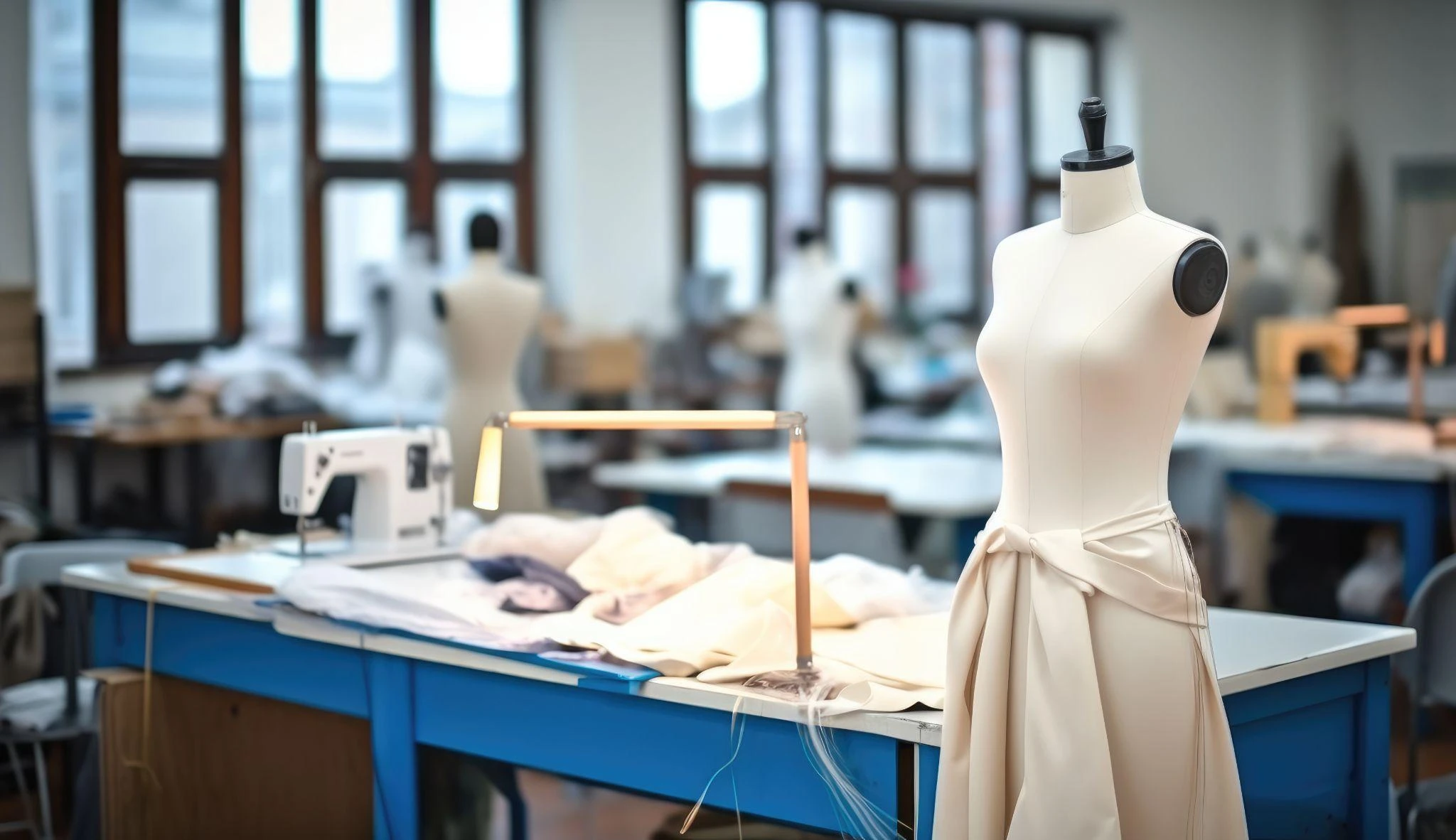
The mannequins help in draping and understanding and rectifying garment fitting. Other equipment includes fabric scissors, pins, needles, thread, and various fasteners like zippers and buttons.
Technology has also become a vital part of fashion design. Computer-aided design (CAD) software, digital sketching tablets, and printers are used for digital pattern-making and creating technical specifications. These tools and equipment empower fashion designers to translate their ideas into garments with precision and efficiency.
Importance of Fabric Knowledge
Knowledge of fabric is crucial for fashion design as it directly impacts the appearance, drape, and functionality of garments. Factors such as texture, weight, stretch, and durability influence how a fabric interacts with the body and affect the overall fit and comfort of the garment.
Understanding different types of fabrics enables designers to make informed decisions about which material will fit their design vision the best. The knowledge of fabric enhances the overall quality of the design. Since the right fabric is used for the right occasions, it will meet the desired aesthetic and all the requirements of the envisioned design.
Careers in Fashion Designing
The field of fashion design offers a range of exciting career opportunities and not just the traditional view that we have of fashion designing or creating apparel designs and their labels and brands.
Fashion designers can work in various capacities. They can specialise in specific areas like accessory design, focusing on creating handbags, shoes, or jewellery. Some designers work in costume design for film, television, or theatre productions.
Fashion illustrators use their artistic skills to create visual representations of fashion concepts. They can pursue careers in fashion merchandising, trend forecasting, textile design, fashion styling, or fashion journalism.
Other careers within the field include fashion marketing, fashion consulting, fashion entrepreneurship, garment buying for firms, and working in fashion production and manufacturing. The fashion industry offers diverse career paths that cater to individual interests and strengths within the realms of design, production, marketing, and promotion. It is a field worth exploring if you love fashion.
To see how varied these careers are in practice, look at where UDIT’s recent fashion graduates have gone. They have moved into design, styling, PR, brand management and visual merchandising, with recruiters including Pantaloons, boAt, Mars Cosmetics, Kingsman India and CP Kukreja. For example, Muskan Kaur joined Pantaloons as a Store Visual Merchandiser, Diya Saini joined Banjara Trail in brand management and PR, Vanshika Gulati joined Warehouse by Mudita as a PR, Marketing and Media Associate, and Helen Shilbi joined salescode.ai as a Motion Graphic Designer. It shows that a fashion design degree can lead well beyond designing clothes, into styling, communication, merchandising and more.
Roles & Responsibilities of a Fashion Designer
The role and responsibilities of a fashion designer can vary, but the basics involve:
- Conceptualization of design ideas
- Creation of sketches and technical drawings of designs
- Selection of fabrics, colours, and materials for production
- Participating in fashion shows and representations to showcase designs
- Researching fashion trends and consumer preferences
- Collaborating with clients, manufacturers, and retailers to meet design objectives and market demands.
Best Colleges to Pursue a Fashion Design Degree in India
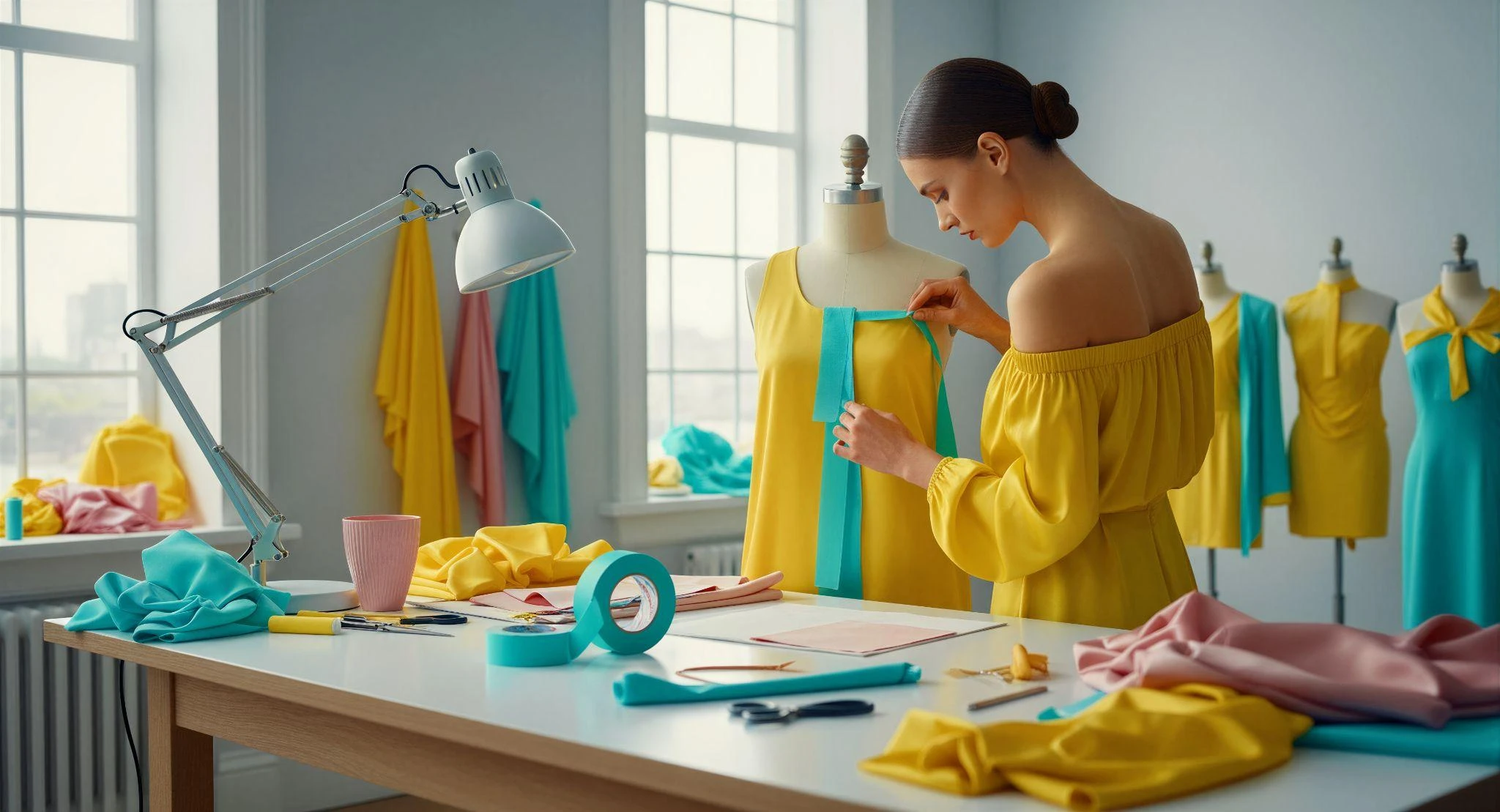
Some of the best colleges to pursue fashion design in the country are:
- National Institute of Fashion Technology
- UDIT (formerly Indian Institute of Art and Design, IIAD)
- Amity University
- Pearl Academy
The salary of a beginner fashion designer in India depends on talent, experience, city, company and role. As of 2026, entry-level fashion designers in India typically earn about Rs 2.5 to 4 lakh a year, and graduates from top institutes like NIFT can start nearer Rs 4 to 6 lakh. Metro cities like Delhi, Mumbai and Bengaluru usually pay more.
Top recruiters include retail giants such as H&M and Zara, fashion brands and labels, design houses and e-commerce platforms.
For a detailed 2026 comparison of fees, entrance exams and what each college is best for, see our guide to the 10 best fashion design colleges in India.
Fashion Designing Tips and Best Practices
Fashion designers, regardless of their experience level, should prioritise certain tips and practices that will help them in the long run.
A fashion designer should have a strong hold on their sketching, be able to effectively communicate their ideas, and be open to feedback and criticism for growth. Building a strong network of professionals to bring their designs to life requires staying up-to-date with current and changing trends so that they can cater to exactly what the client demands.
For that matter, they should also be abreast of the new technology in the field, as it will only help them be more efficient and refine their work. Lastly, a designer must continue to work on their innovative skills and may even try to develop a unique style of their own, as that is what their profession solely depends on.
Want to become a fashion designer after 12th? Read this comprehensive guide on the steps to follow.
What is the future of fashion design?
The future of fashion design holds exciting possibilities, driven by technological advances and changing consumer demands. It is likely to be characterised by innovation, sustainability, technology and a heightened focus on individuality and inclusivity. Fashion has moved towards eco-friendly practices, unisex designs and gender inclusivity. Minimalism reigns supreme, similar to a canvas where every brushstroke holds purpose and meaning.
Technology will play a growing role, from smart fabrics and 3D design to AI in the studio. Fabrics infused with smart technology offer a sensory feast; textiles that harness solar energy, shimmering like a celestial ballet, or bioluminescent materials. The possibilities are endless. For new designers, this means growing demand for people who can combine craft with technology and a clear point of view.
How this is taught in practice: at UDIT, the four-year B.Des in Fashion Design is built around learning by making. From the early years, students drape, cut and construct garments, work with Indian craft clusters, and use tools like Adobe Illustrator, Photoshop and CLO 3D, finishing with a graduate runway collection. We mention UDIT openly because it is our own school, so treat it as one option among several to research.
FAQs on Fashion Designing
1. What exactly is fashion designing in simple words?
It is the work of planning and creating clothing and accessories, from the first idea and sketch to choosing fabric and building a finished, wearable garment.
2. Who was the first fashion designer?
Charles Frederick Worth, an English designer working in Paris in the mid-1800s, is widely called the first fashion designer and the father of haute couture.
3. What qualifications do I need to become a fashion designer in India?
Usually a degree or diploma in fashion design after Class 12, plus a strong portfolio. Most colleges ask for at least 50 percent in Class 12 and select through an entrance exam or a portfolio and interview.
4. How much do fashion designers earn in India?
As of 2026, freshers earn about Rs 2.5 to 4 lakh a year, and graduates from top institutes like NIFT, UDIT can start nearer Rs 4 to 6 lakh.
About the Author
Shrankhla Verma is a design writer who contributes to UDIT’s blog (formerly IIAD’s The Circle). She writes for design aspirants across fashion and communication design, with published guides on fashion design fundamentals, fashion communication, the role of colour and design in visual communication, building a design portfolio, and preparing for design-college interviews. Her work focuses on making design education clear and approachable for students starting out in India.
More things to read