Article
Pratik Aswal
10/09/2026
Overview:
Fabrics are grouped two ways: by fibre (natural fibres like cotton, silk, wool and linen; synthetic fibres like polyester, nylon and spandex) and by construction (woven fabrics, which are firmer and hold their shape, versus knits, which stretch). The right fabric for a garment depends on how you want it to look, feel, move, breathe and last, so a bridal gown, a baby’s romper and a pair of jeans each call for very different cloth.
This blog dives into the various types of fabrics in 2026. It breaks down different types of fabrics, like cotton, chiffon, denim, silk, synthetics, etc., and discusses how each kind of fabric works in designing real-life clothing, from baby wear to bridal outfits. It also explains how fabric choice impacts style, comfort, and durability and why it matters in design decisions. With sections on woven vs. knit, natural vs. synthetic, and a few iconic materials like Khadi and Nylon that changed fashion history, it’s a helpful guide for anyone exploring fashion design seriously.
Table of contents
- Importance of Choosing the Right Fabric in Fashion
- How To Choose The Right Fabric For Better Dress-Up
- Types of Fabrics
- Now, let’s take a look at the 12 different types of fabrics.
- Fabrics and India
- Special Mention: Fabrics That Brought A Revolution In Fashion
- How UDIT Students Work With Fabric
- Frequently Asked Questions
To begin, what is fabric? Well, the first question should ideally be, “What is cloth?” because Merriam-Webster defines fabric as “a substance that resembles cloth.” “A malleable substance formed usually by weaving, felting, or knitting natural or synthetic fibres and filaments.”
The most significant aspect of clothing is the fabric. It is essential to dress in accordance with current colour trends and the suitable fabric. The wrong outfit is actually the product of one bad fabric decision. Fabric is a fibre-based material that is used to produce clothing, shoes, bags, and household furnishings such as bedsheets, pillows, and towels. It can be thick or thin, rough or smooth, heavy or light; the attributes of different types of fabric are determined by the material from which it is created.
For generations, fabrics have influenced a lot of fashion trends.
New to fashion design? Start with our guide to what fashion design is
Importance of Choosing the Right Fabric in Fashion
It’s a good idea to become familiar with different fabric styles, whether you’re a picky buyer or want to improve your fashion design skills. Each is ideally suited to different items — for instance, sports gear fabrics differ from those used in high fashion, both in terms of appearance and other characteristics. If a fashion designer wants to make an exceptional garment, he/she starts by choosing the best fabric. Technology advancements and growth in the textile industry have resulted in the production of new-age fabrics. Keep in mind the following clothing criteria before choosing a fabric for your design.
Fabrics for Infants
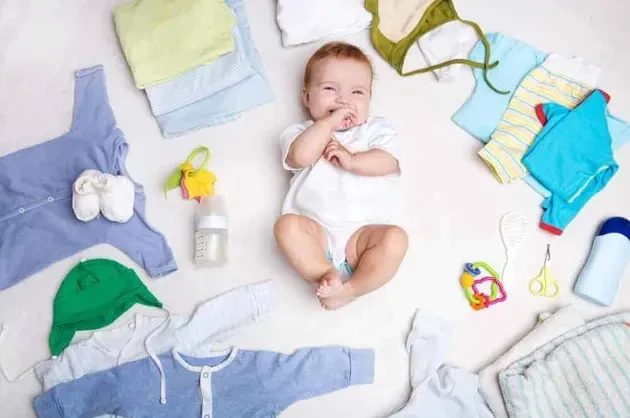
When designing an outfit for a newborn, choose a fabric that is soft and comfy, keeping in mind that an infant’s skin is quite sensitive. On that basis, cotton is frequently regarded as the greatest fabric for a baby. Cotton clothing can be worn inside woollen clothing in the cold.
In practice, the safest choices are soft, breathable natural fibres. Pure cotton, cotton muslin and organic cotton are gentle on delicate skin, absorb moisture and can be washed hot to stay hygienic; bamboo and cotton-bamboo blends are a soft, absorbent alternative. Avoid scratchy fabrics, wool worn directly against the skin, and cheap synthetics that trap heat and sweat, and look for flat or covered seams, no loose embellishments, and safety certifications such as OEKO-TEX or GOTS for organic cotton, since a baby’s skin is thin and reacts easily.
Fabrics for Toddlers
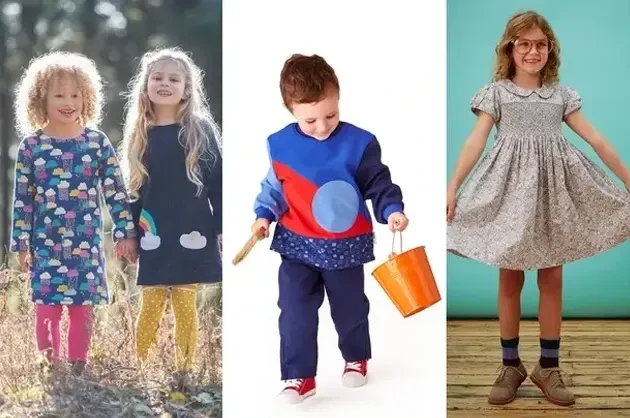
Consider a fabric that is easy to handle and comfortable for toddlers. Examine whether the toddler is at ease sitting, standing, running, or even crawling while wearing the cloth.
Toddlers are constantly moving, so the fabric has to move with them and survive heavy washing. Cotton knits and jersey, interlock cotton, and cotton blended with a little elastane give stretch and spring back into shape while still breathing in the heat. Choose machine-washable, colourfast and reasonably stain-resistant cloth with flat seams and a little room to grow, and keep away from silk and other delicate fabrics, stiff cloth that limits movement, and anything that needs hand-washing or dry-cleaning.
Fabrics for Adults

Adults are primarily working and are usually sprinting, walking, and running errands at all hours of the day and night, so choose a fabric that is smooth and absorbent. Adult fibres such as cotton, poplin, and lightweight cambric are frequently used.
For adults, the rule is to match the fabric to the wearer’s day and climate. Breathable cotton and linen suit daily and summer wear, which matters in India’s heat and humidity; wool, tweed and heavier weaves hold warmth in winter; moisture-wicking polyester and nylon blends work for activewear and sport; and crease-resistant cotton-poly or wool blends keep their shape through a working day. Beyond the fibre, the weight, drape, durability and ease of care decide whether a garment actually gets worn again.
So, if you’re seeking for the ideal fabric, you should think about the quality. It is worthwhile to invest in high-quality fabric. It makes dressing up easy. High-quality fabrics are also durable and remain new and fresh even after washing.
A simple way to judge fabric quality is to use your hands and eyes before you buy. Hold the cloth to the light: a denser, tighter weave usually means better durability and less transparency. Feel the hand, which should be substantial rather than papery or plasticky, then rub and stretch a corner to see whether it recovers its shape. Check the label for fibre content and care, watch for colour that rubs off (poor colourfastness) and for shrinkage warnings, and remember that fabric weight is often given in GSM (grams per square metre), where a higher number usually means a heavier, sturdier cloth.
How To Choose The Right Fabric For Better Dress-Up
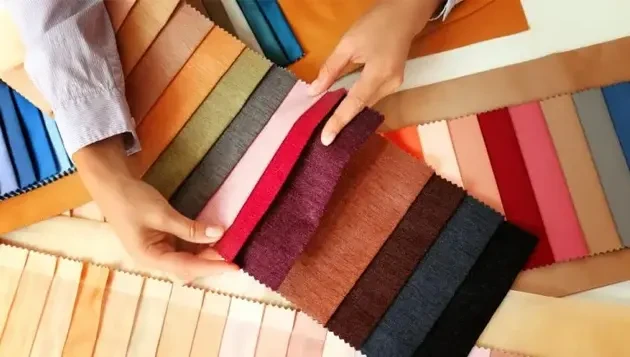
When sewing a dress, you must select the appropriate fabric. The most crucial item you should consider is the fabric. It determines your dress’s overall design and beauty. If you pick silk fabric, it is clear that you want your garment to have a soft and sophisticated appearance. If you choose chiffon for your item, you’re going for a sensual and slim aesthetic. Cotton fabric is environmentally friendly and long-lasting, however it must be washed and ironed on a regular basis. Organza and linen are two examples of different fabrics. Organza is a fabric made of silk or a silk-like fabric that mimics organdy, while linen is a fabric woven using flax plant fibres.
So you want to choose the fabric that best suits your demands and preferences. There are a few more elements that must be considered while choosing a cloth. As an example, if you want to design a bridal gown, you would undoubtedly select a silk fabric with chiffon laces. However, you would very certainly be unable to build your wedding gown out of cotton cloth. Cotton is not a popular choice for wedding gowns. However, among the many fabric alternatives for upholstering your furniture and sofa, silk may be the greatest option. It’s really stunning and lovely. It has been utilised by the wealthy and powerful for generations as a symbol of rank and prosperity. It is of such high quality that you will not be able to find anything comparable.
Choosing a pattern and style for your dress is a relatively simple task, but matching the proper fabric with a design is more difficult. Fashionable clothes are more than just a matter of style and cut. Fabrics are crucial for ensuring comfort, fit, flexibility, and compatibility. Silk and chiffon fabric are often used as garment materials for bridal gowns. It has a slender appearance. It provides for easy movement and handling for the bride.
To help you better understand clothing and fabrics, here’s a list of different types of fabrics that are used in designing clothes.
Types of Fabrics
Before diving into the different types of fabrics, let’s first know about its different classifications. To begin, fabric is a substance created by intertwining strands. A fabric is usually named after the fibre that was used to make it; however, certain fabrics may contain a combination of fibres. The fabric is then given a name based on the fiber(s) used, the pattern and texture, and the manufacturing process utilized.
Based on this, there are two sets of categories that initially distinguish the different types of fabric: the fibres used (natural vs. synthetic) and the manufacturing procedures (woven vs. knitted).
Natural Vs Synthetic
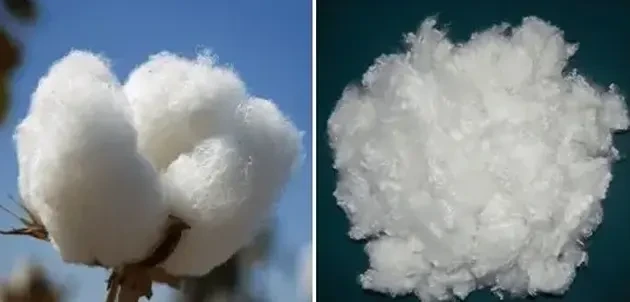
The type of fibre chosen determines the first difference in fabric detail. Natural and synthetic are the two sorts. Plant and animal fibres are used to make natural fibres.Cotton, for example, is derived from plants, but silk is derived from silkworms. Synthetic fibres, on the other hand, are wholly formed of man-made materials.
Woven Vs Knitted
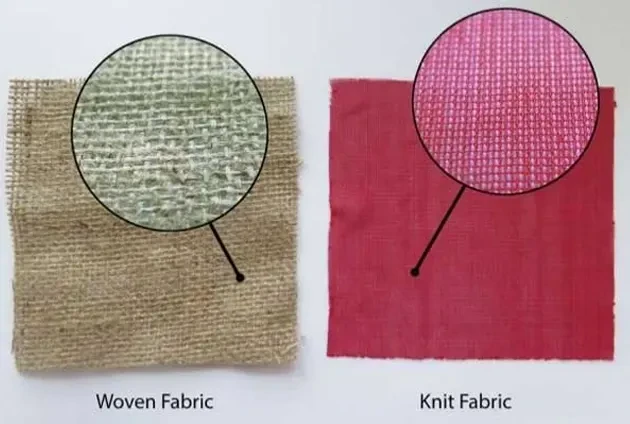
The second point of distinction is the manufacturing process. There are two types: woven and knitted. On a loom, two pieces of yarn interweave horizontally and vertically to create woven cloths. The fabric does not stretch and is usually tauter and sturdier than knit fabrics because the yarn runs at a 45-degree angle. The fabric is made up of a weft (the yarn that runs across the breadth of the fabric) and a warp (the yarn that runs across the length of the fabric).
Plain weave, satin weave, and twill weave are the three varieties of woven fabric. Chiffon, crepe, denim, linen, satin, and silk are examples of popular woven fabrics.
Consider a hand-knit scar for an example of knit fabric; the yarn is shaped into an interconnected loop design that allows it to stretch greatly. Knit materials are noted for their elasticity and ability to retain their shape.
Knit fabrics are divided into two categories: warp-knitted and weft-knitted. Lace, lycra, and mesh are examples of popular knit materials.
Now, let’s take a look at the 12 different types of fabrics.
Here are the 12 different types of fabric at glance:
Fabric |
Fibre |
Woven or Knit |
Feel |
Best For |
Chiffon |
Silk, nylon, polyester or rayon |
Woven |
Sheer, lightweight, flowy and delicate |
Scarves, blouses, evening and bridal wear |
Cotton |
Natural cotton |
Woven or knit |
Soft, breathable and durable; wrinkles and shrinks |
Everyday wear, shirts, summer clothing and babywear |
Crepe |
Silk, cotton, wool or synthetic |
Woven |
Lightweight, crinkled texture and good drape |
Dresses, suits, blouses and skirts |
Denim |
Cotton |
Woven twill |
Sturdy, strong and hard-wearing |
Jeans, jackets and workwear |
Lace |
Various yarns/fibres |
Openwork fabric |
Delicate and decorative |
Bridal wear, overlays and lingerie |
Leather & Suede |
Animal hide |
Not woven or knit |
Durable, warm and structured |
Jackets, shoes, bags and belts |
Linen |
Natural flax fibre |
Woven |
Breathable and cool; creases easily |
Summer shirts, trousers and dresses |
Satin |
Can be made from silk, polyester, nylon or other fibres |
Woven weave |
Smooth and lustrous; glossy on one side, matte on the other |
Evening and bridal wear, lingerie and linings |
Silk |
Natural protein fibre |
Woven or knit |
Soft, lustrous and luxurious; delicate to clean |
Saris, gowns, scarves and ties |
Synthetics |
Nylon, polyester, spandex |
Woven or knit |
Strong, wrinkle- and stain-resistant; stretchy and less breathable |
Sportswear, activewear and outerwear |
Velvet |
Various fibres |
Woven pile |
Soft, rich and warm |
Evening and occasion wear, festive Indian outfits |
Wool |
Natural animal fibre |
Woven or knit |
Warm, durable and wrinkle-resistant; can itch |
Sweaters, coats and winter wear |
Chiffon
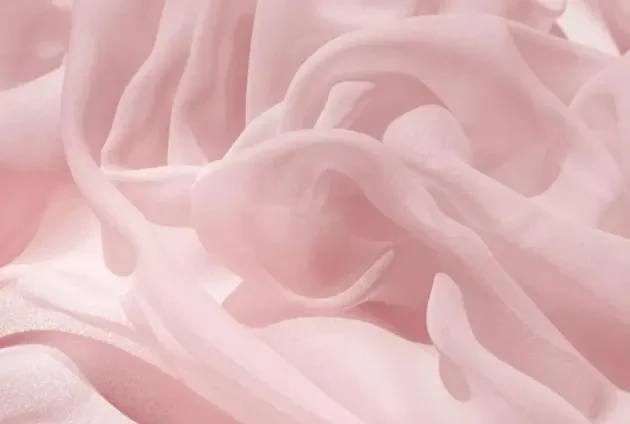
Chiffon is a sheer, lightweight, plain-woven fabric with a somewhat rough texture created from twisted yarn. Silk, nylon, polyester, or rayon are commonly used as yarns. Due to its light, flowing material, chiffon is commonly found in scarves, blouses, and dresses, especially bridal gowns and prom dresses.
Cotton
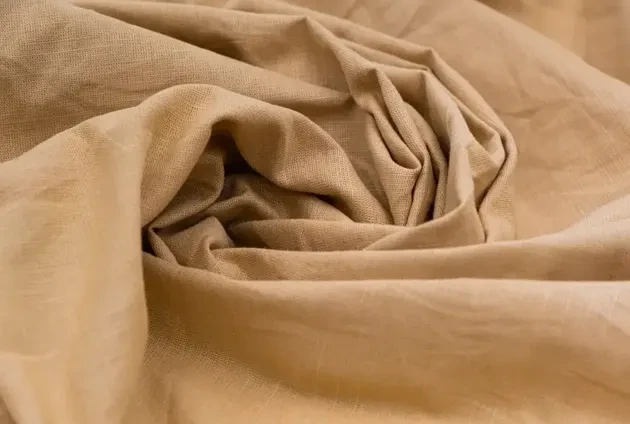
Cotton is a light, silky natural fabric that is known as the world’s most popular material. Ginning is the process of extracting fluffy fibre from the seeds of the cotton plant. After that, the fibre is spun into cloth, which can be woven or knitted. The comfort, adaptability, and longevity of this fabric have all been lauded. It’s hypoallergenic and breathes well, however it takes a long time to dry. Cotton is used in almost all types of clothing, including shirts, skirts, and underwear. It can, however, wrinkle and shrink. Cotton also produces a variety of other fabrics, such as chino, chintz, gingham, and muslin.
Crepe
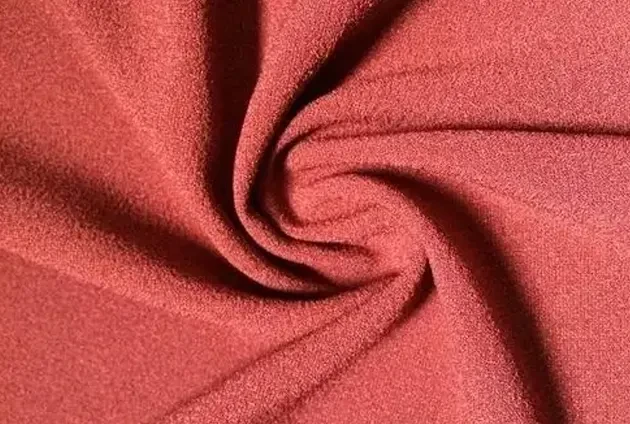
Crepe is a wrinkle-resistant, lightweight twisted plain-woven fabric having a rough, bumpy surface. Cotton, silk, wool, and synthetic fibres are commonly used, making it a versatile fabric. Crepe is usually named after the fibre it is made of, such as crepe silk or crepe chiffon.
Crepe is a soft, pleasant, and easy-to-work-with fabric that is commonly used in suit and dressmaking. Georgette, for example, is a crepe fabric that is frequently used in designer clothing. Blouses, slacks, scarves, shirts, and skirts are all made of crepe.
Denim
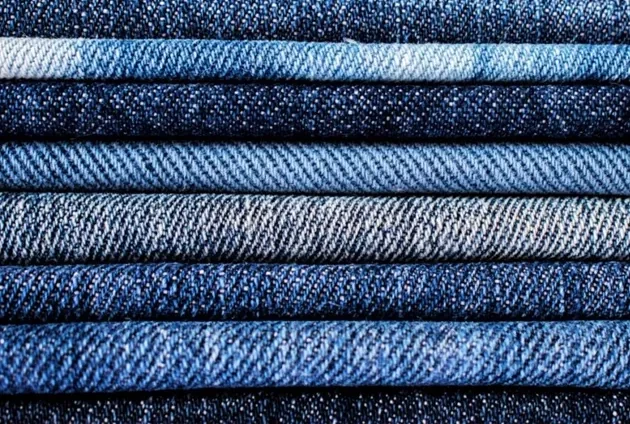
Denim is another sort of cloth. Denim is a woven cotton twill fabric produced from white cotton stuffing yarn and interwoven cotton warp yarn. It is well-known for its vibrant texture, strength, durability, and comfort.
Blue jeans are made from denim that has been coloured with indigo, although it is also used for jackets and dresses.
Lace
Lace is a delicate, attractive fabric formed from looped, twisted, or knitted yarn. Lace was once made of silk and linen, but nowadays it is made of cotton thread, wool, or synthetic fibres. Lace is made up of two basic components: the design and the ground cloth that holds the pattern together.
Leather
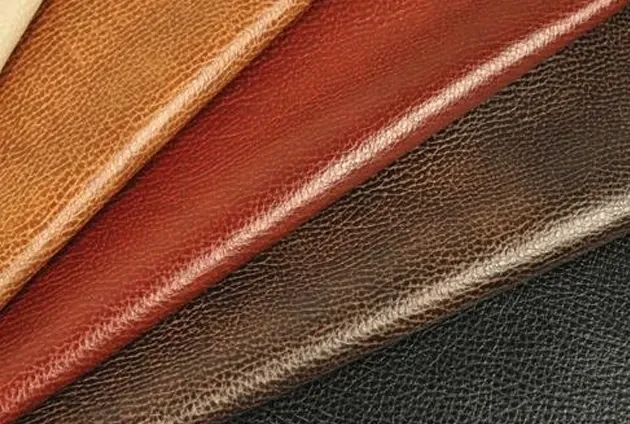
Leather is a unique fabric since it is manufactured from the hides or skins of animals such as cows, crocodiles, pigs, and lambs. Leather will require different treatment processes depending on the animal utilised. Leather is well-known for being long-lasting, wrinkle-resistant, and fashionable.
Suede is a form of leather with the “flesh side” turned outward and rubbed to give a soft, velvety surface (typically made from lamb). Jackets, shoes, and belts made of leather and suede are popular in cold weather because the materials keep the body warm.
Linen
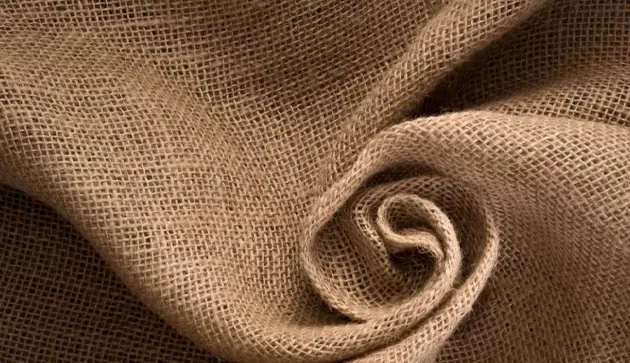
The next fabric is linen, which is one of humanity’s oldest textiles. This sturdy, lightweight fabric is made from natural fibres and comes from the flax plant, which is stronger than cotton. The flax strands are spun into yarn before being mixed with other fibres.
Satin
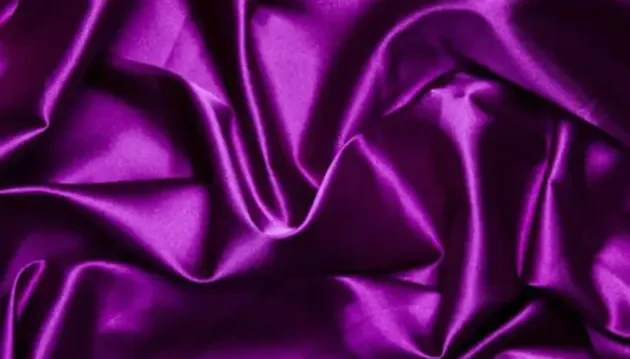
Satin, unlike the majority of the textiles on this list, is not formed from a fibre; rather, it is one of the three major textile weaves, and it is created when each strand is well-knitted. Satin is composed of polyester, wool, and cotton, and was originally made of silk. On one side, this sumptuous cloth is glossy, sleek, and slippery, while on the other, it is matte.
Satin is commonly used in evening and wedding gowns, lingerie, corsets, blouses, skirts, coats, outerwear, and shoes because of its silky, smooth surface and light weight. It’s also suitable for use as a backdrop for other textiles.
Silk
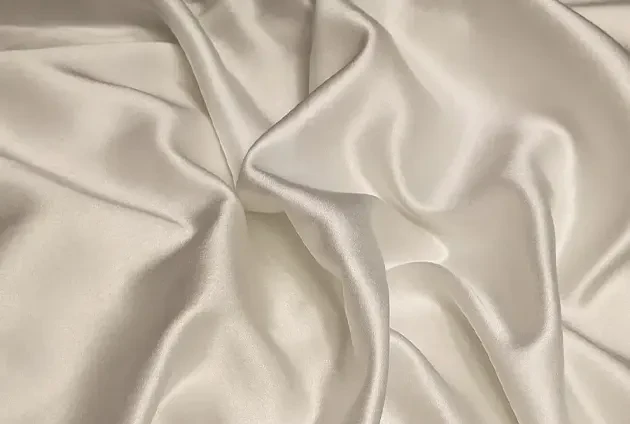
Silk is a soft, elegant fabric with a smooth touch and a shimmering appearance. It is known as the world’s most luxurious natural fabric. Silk is made from the cocoons of silkworms, which can be found in China, South Asia, and Europe. It is also one of the hardest to clean and manage fabric.
Synthetics
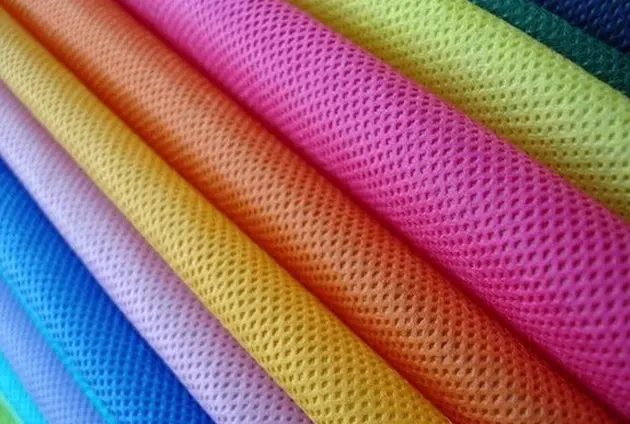
Synthetics, unlike the other materials listed here, encompass a variety of fabric kinds, including nylon, polyester, and spandex. Synthetics, unlike delicate fabrics, do not shrink and are usually stain resistant to water.
Nylon is a polymer-based, totally synthetic fibre. It’s noted for its toughness, adaptability, and resiliency. Nylon is also durable and resistant to abrasion, which is why it is commonly used in outerwear such as coats and parkas.
Polyester is a petrochemical-based man-made synthetic fibre and cloth. Polyester is sturdy, resilient, and stain- and wrinkle-resistant, but it is not breathable and does not absorb liquids effectively. Rather, it’s made to transport moisture out from the body. Polyester is used to make most T-shirts, pants, skirts, and sportswear.
Velvet
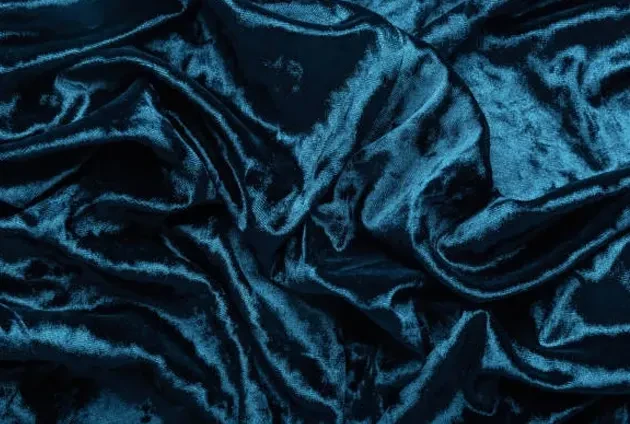
The soft, velvety piece of cloth is another type of fabric that has traditionally been linked with royalty due to its rich, extravagant finishing and exhaustive manufacturing procedure. One side of this thick, lustrous woven warp pile fabric offers a smooth pile look. The density of the pile tufts and how they are fastened to the foundation fabric define the textile’s quality.
Wool
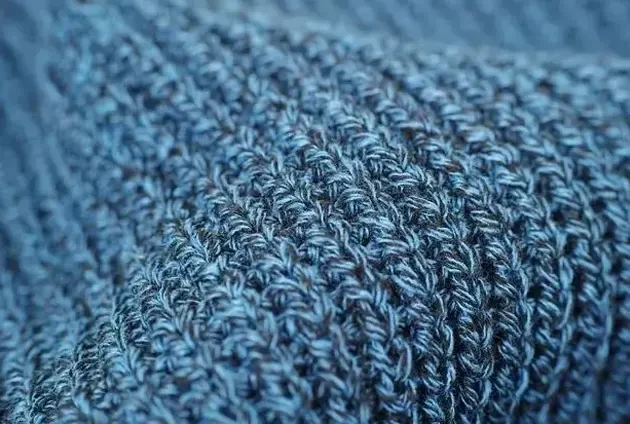
The fleece of sheep, goats, llamas, and alpacas is used to make this natural fibre. It can be woven or knitted. Wool is known for being hairy and itchy, despite the fact that it is warm, sturdy, and long-lasting. It’s also wrinkle-free, dust-resistant, and wear-resistant. Because it must be hand-washed or dry-cleaned, this fabric can be pricey. Sweaters, socks, and gloves are all made of wool.
Fabrics and India
India sits close to the centre of the world’s fabric story. It is one of the largest producers of cotton and the second-largest producer of silk, and its handloom tradition is among the oldest and largest anywhere. Many fabrics on this list have a distinctly Indian form: fine Bengal muslin was prized for centuries, Chanderi and cotton-silk blends come from Madhya Pradesh, and India’s silks run from Kanjeevaram in the south to Banarasi brocade in the north. Wool has its own Indian icon in Kashmiri Pashmina, and khadi, covered below, carries a political history no other cloth does. For a designer working in India, choosing a fabric often means choosing a craft cluster and a regional heritage, not just a material.
Special Mention: Fabrics That Brought A Revolution In Fashion
Khadi
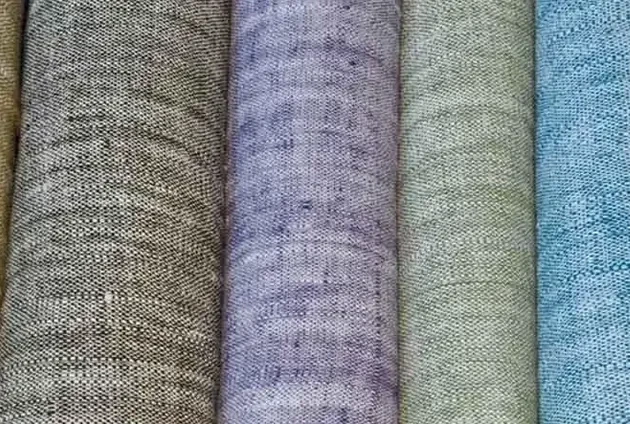
Khadi, the Swadeshi movement’s fabric, has traditionally been thought of as a white, pristine fabric, but it has a lot more to offer. Khadi is a hand-woven natural fibre material composed primarily of cotton but also including silk and wool. During India’s independence, the Khadi fabric became a symbol of independence and pride. Khadi inspired the idea that the cotton we farmed could be spun and weaved into garments, and that money should not be wasted on extravagantly expensive clothing.
Rayon
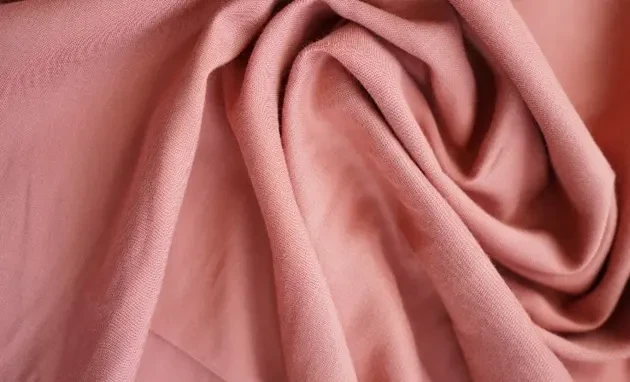
Rayon was the very first substance to be classified as semi-synthetic. It’s made from wood pulp, but it goes through chemical procedures to get there. Its roots go back to nitrocellulose, the treated cotton behind guncotton first made in 1846, but the first true artificial silk was produced by the French chemist Hilaire de Chardonnet in the 1880s. It is now a generic word for a wide range of regenerated cellulose fibres. Rayon comes in a variety of forms, including viscose rayon, modal, and lyocell.
When rayon was first introduced to the American market in 1911, it was given a variety of names by textile makers, including artificial silk, rayonner, rayon silk, produced silk, and scientific silk. Rayon was promoted as a cost-effective alternative to silk because it had a similar sheen and softness but was produced at a lower cost.
Nylon
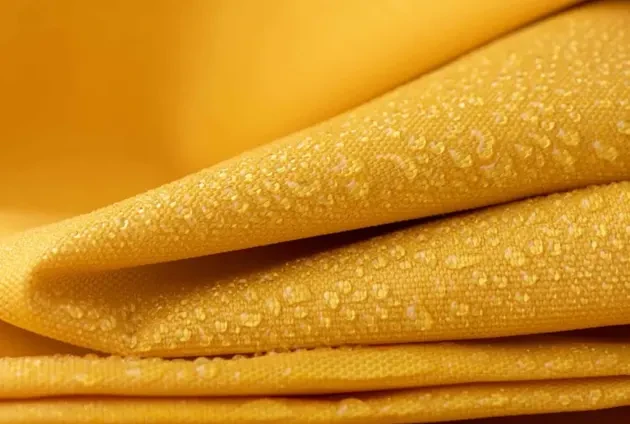
Nylon claimed an uniqueness no other product could equal when it first entered the public mind in 1938. Its forerunner, rayon, was marketed as “artificial silk,” a term that connoted both cost-cutting and emulation. Nylon, on the other hand, was marketed by its producer, DuPont, as a unique material. Nylon ushered in a fashion revolution based on comfort and easiness as the first commercially viable synthetic textile. Nylon is now ubiquitous, appearing in toothbrushes, carpet, racket and guitar strings, car parts, and, of course, hosiery.
How UDIT Students Work With Fabric
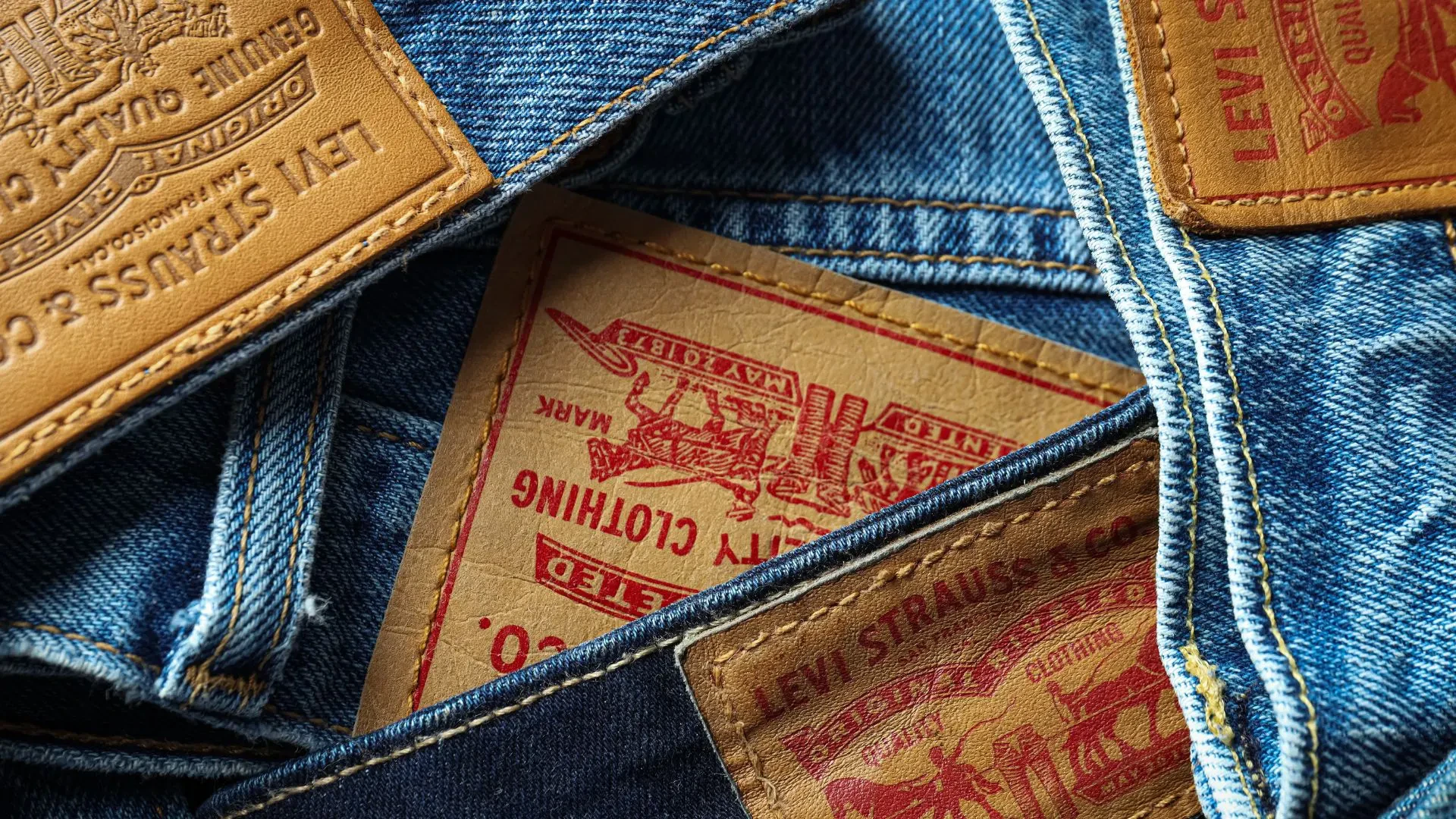
At UDIT (formerly IIAD), fabric is something students handle from the first year, not just read about. The B.Des Fashion Design course opens with a ‘Materials and Making’ strand of workshop practice and hands-on material exploration, and builds through draping, advanced garment construction and a dedicated study of Indian textile and craft techniques in the third year. There is even a focused module on designing with denim and global denim innovation, so a fabric like the denim above becomes something students cut, stitch, wash and rework themselves.
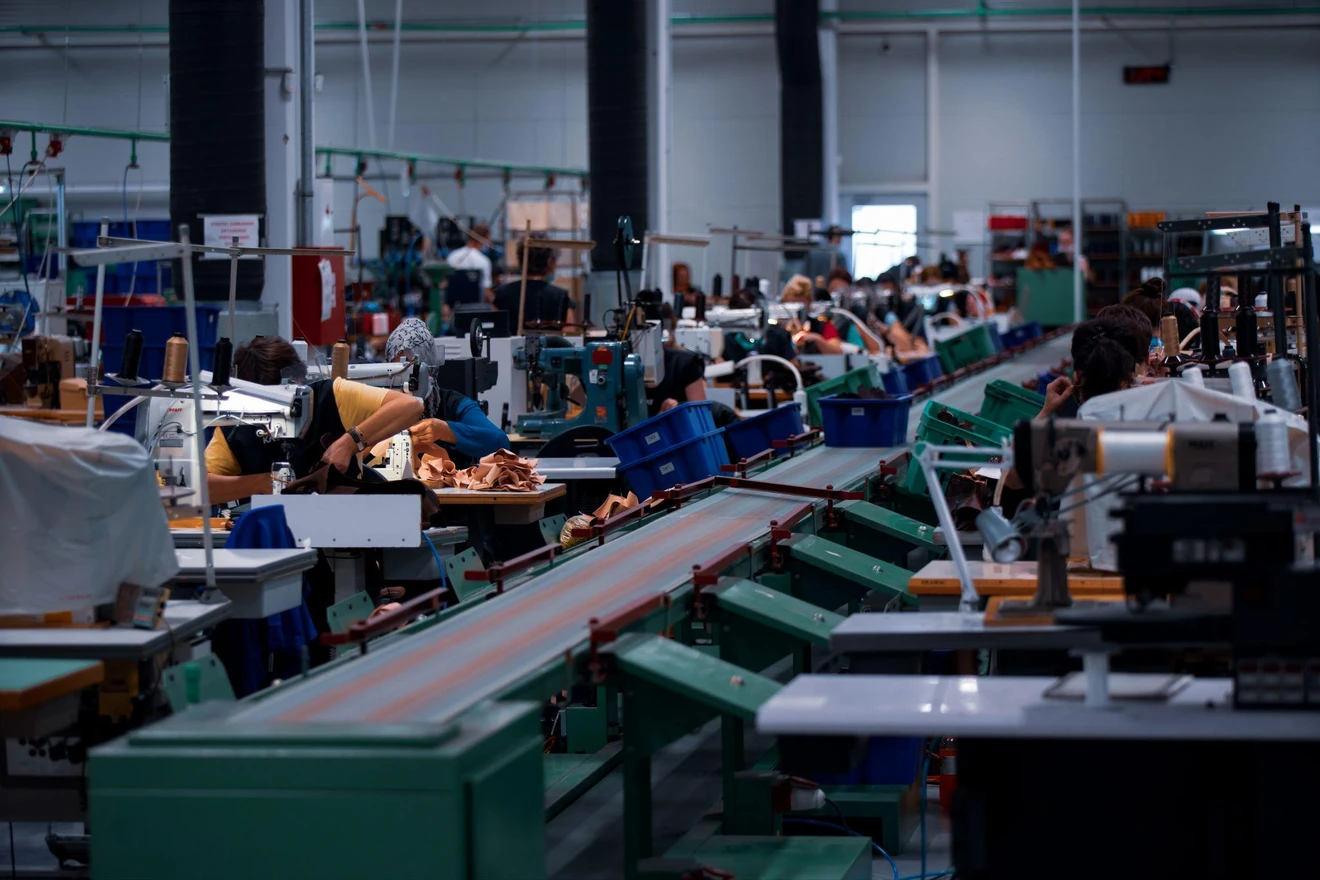
Much of that learning happens outside the studio. Through craft-cluster and artisan immersions and time in production units, students work alongside the people who actually make cloth, which is where fabric knowledge stops being theoretical. It shows in their graduate collections: Heba Usman’s ‘Preserved Memories’ reinterprets Ajrakh block-printing on leather using natural dyes and handcraft; Sejal Rajawat’s ‘Harmonious Regeneration’ is built on upcycled denim; and Naseeb Sihag’s textile-driven collection ‘Gharsa’ was a finalist at the World of WearableArt. Working with fabric this closely is what turns a list of materials into a designer’s instinct for the right one.
Frequently Asked Questions
1. What are the main types of fabric?
A: Fabrics are grouped by fibre (natural fibres like cotton, silk, wool and linen; synthetic fibres like polyester, nylon and spandex) and by construction (woven, which holds its shape, and knit, which stretches).
2. What is the difference between natural and synthetic fabric?
A: Natural fabrics come from plants or animals (cotton, linen, silk, wool) and usually breathe well; synthetic fabrics like polyester and nylon are man-made from chemicals, and tend to be stronger, cheaper and more wrinkle- and stain-resistant, but less breathable.
3. What is the difference between woven and knit fabric?
A: Woven fabric is made by interlacing yarns at right angles on a loom, so it is firmer and does not stretch much; knit fabric is made from interlocking loops, so it stretches and springs back, like a T-shirt or jersey.
4. Which fabric is best for beginners to sew?
A: Medium-weight cotton is the easiest to start with because it is stable, does not slip or stretch and presses cleanly; slippery fabrics like silk, satin and chiffon are harder to handle.
5. Which fabrics are used for bridal and evening wear?
A: Silk, satin, chiffon, lace and velvet are the classic choices for their drape, shine and structure; in India, Kanjeevaram and Banarasi silks and richly worked velvets are traditional bridal fabrics.
Want to design with these fabrics? Explore B.Des Fashion Design at UDIT.
About the Author
Pratik Aswal is a brand and content specialist with over eight years of experience writing and building campaigns across fashion, lifestyle and entertainment. He holds a Post Graduate Diploma in Fashion Communication from the Asian Academy of Film and Television, and a Bachelor’s in Journalism and Mass Communication from Doon University, Dehradun. He has written and led branded content for several of India’s best-known media and lifestyle platforms, including Cosmopolitan India, and iDiva and MensXP at Times Internet, as well as ScoopWhoop, where he led the brand-writing team. He currently works in brand marketing and creative strategy at Zupee. His work sits where fashion, storytelling and consumer culture meet, which is the lens he brings to writing about clothing and design.
More things to read