Article
Shrankhla Verma
18/09/2026
A fashion design portfolio is more than a passion for style and sewing; it’s the showcase of your creative ability that admissions teams actually judge you on. Think of it less as a folder of sketches and more as a visual narrative of how you think as a designer, and it’s often what decides which fashion design colleges say yes.
This guide walks you through it end to end: understanding what each college wants, the key elements to include, what a strong portfolio looks like with real examples, tailoring it to your target college, writing your artist statement, taking it online, and preparing for the interview.
Here is what we have covered in this blog:
- Understanding the Requirements of a Fashion Design College
- Key Elements of a Fashion Design Portfolio
- Fashion Design Portfolio Examples: What a Strong One Looks Like
- Tailoring Your Portfolio for the Chosen Fashion Design College
- Writing an Artist Statement For Fashion Design College Portfolio
- Digitising Your Portfolio for Online Submissions For Fashion Design College
- Photography and Presentation Tips: Portfolio for Fashion Design College
- Seeking Feedback and Revising Your Portfolio for Fashion Design College
- Preparing for Portfolio Interviews for Fashion Design College
- Additional Resources to develop a portfolio for fashion design college
- How UDIT Helps You Build a Portfolio, and What It Looks For
- Frequently Asked Questions About Fashion Design College
Journeying into the world of fashion design requires more than just a passion for style and sewing skills; it demands a showcase of your creative ability. Crafting an impressive fashion design portfolio isn’t just a formality; it’s your ticket to the choose from the best fashion design colleges.
Consider it a canvas for your fashion design journey. It is not merely a compilation of sketches and designs; rather, it’s a visual narrative of your evolution as a designer or a creator.
New to the field? Start with our guide to what fashion design is.
Understanding the Requirements of a Fashion Design College
Navigating the fashion design college admissions process begins with a clear understanding of their unique prerequisites. Whether it is for an undergraduate fashion degree for a bachelors in fashion design or a postgraduate degree, in this section, we uncover the key elements that will set you on the right path to create a portfolio that speaks the language of your dream college.
- Identify the specialisation that aligns with your creative pulse, whether it be the allure of haute couture, the commitment to sustainable fashion, or the excitement of textile innovation. While some of these fields may intersect, it’s crucial to emphasise the clear distinctions within these creative domains. One such example is the difference between fashion and textile design.
- Simultaneously, research and decode the admission criteria for getting selected at the top fashion design colleges. This exploration sets the stage for making a portfolio that seamlessly integrates your passion with the precise elements that resonate with the discerning lens of the fashion college.
- Next, consider the college’s environment and infrastructure, ensuring they align with your creative and other needs.
- Evaluate placement and internship opportunities for practical experience.
- Explore the alumni network and analyse successful portfolios from alumni on various platforms like the college website and Behance for insights into the institution’s long-term impact. This comprehensive approach ensures a college that not only resonates with your creative vision but also facilitates your professional growth.
A note on Indian Colleges: how colleges assess you
How you are judged depends on the college. The big entrance-exam schools, NIFT and NID, select undergraduates mainly through their own aptitude and situation or studio tests rather than a submitted portfolio, so there your drawing, creativity and problem-solving are assessed live. Many private and international design colleges, and most postgraduate courses, do ask for a portfolio, so check each college’s exact requirement early and build to it rather than assuming one format fits all.
Key Elements of a Fashion Design Portfolio
A well-curated portfolio becomes the window through which colleges recognise your potential to redefine the fashion landscape. Assembling a portfolio with clarity of purpose is paramount.
Let us delve into the specific elements and factors that admissions committees look for—innovation, versatility, and most importantly—a distinctive voice.
1. Covering the basics:
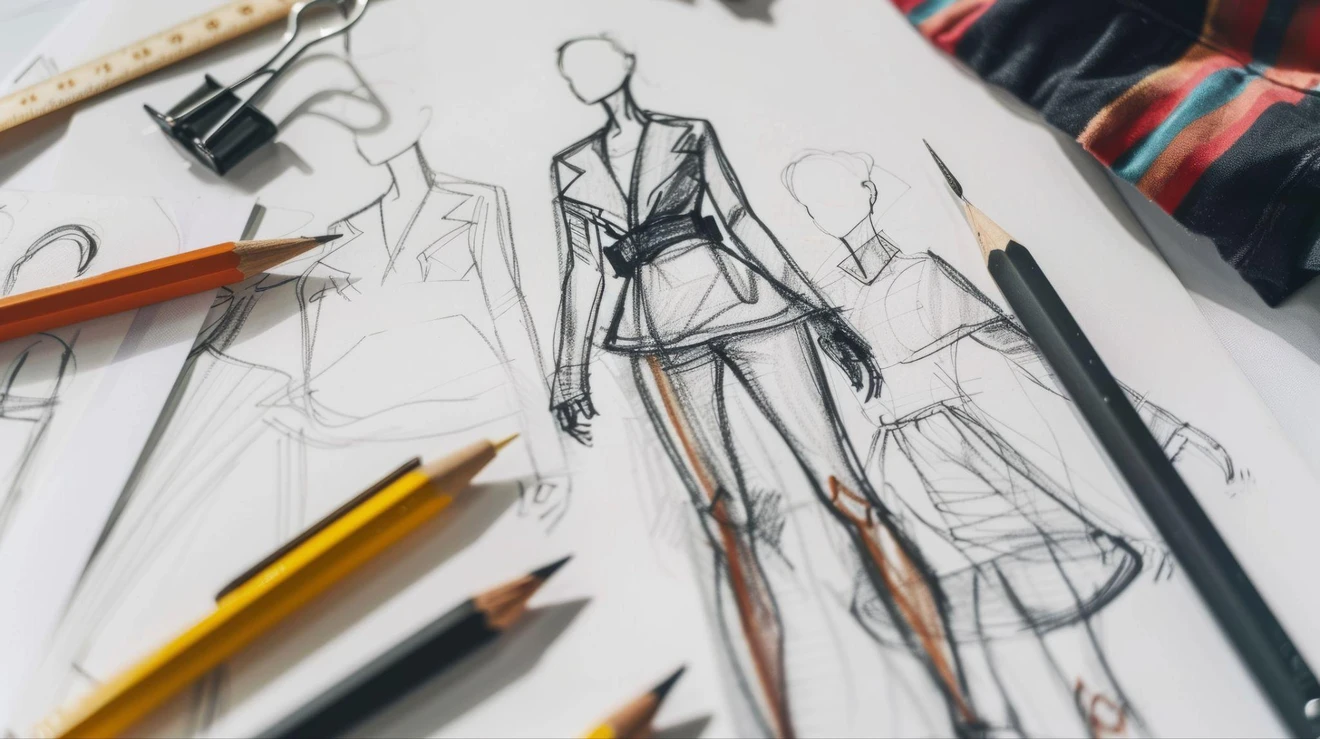
Your portfolio should include high-quality sketches and drawings that showcase the finesse of your hand, emphasising precision and attention to detail. Immerse the viewer in your creative vision through fashion illustrations and renderings, inviting them into the narrative behind each piece. These elements form the foundation, allowing your artistry to shine through with both technical ability and a compelling storytelling aspect.
2. Showcase the creative process:
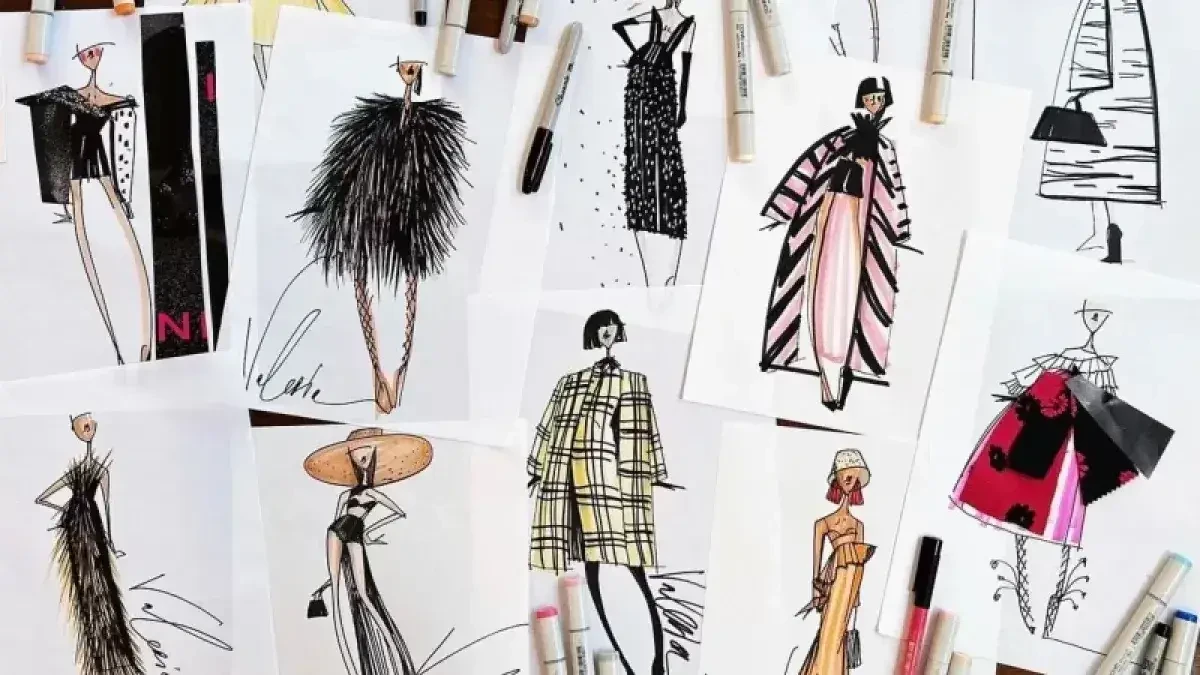
Image Courtesy: Istituto Marangoni Miami
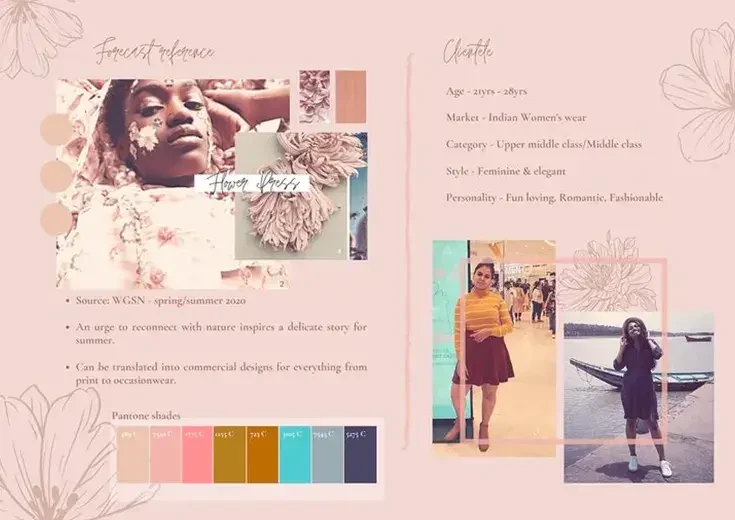
Your portfolio should show your concept and ideation process, offering a glimpse into the genesis of your designs. You should be able to transport viewers into the world that inspires you by sharing mood boards and inspirations, breathing life into your creations and infusing your artistic narrative with depth. This section reveals not just what you create but also the fascinating journey of how your ideas come to life.
3. Highlighting Technical Skills:
Demonstrate your technical skills by focusing on sewing and garment construction, showcasing the tangible manifestation of your design perception. Illuminate your profound understanding of materials by understanding the types of fabric and a deep comprehension of textile design, setting yourself apart as a versatile designer. This seamless transition from creative process to technical skills paints a holistic picture of your capabilities for the viewer.
4. Incorporating Variety:
Displaying your versatility of skills is yet another important aspect of the portfolio. Presenting a diverse range of styles and aesthetics, showcasing your ability to navigate various design languages from classic to avant-garde. Break the boundaries of your comfort zone by experimenting with different mediums and techniques, infusing your portfolio with a dynamic energy that reflects your willingness to explore and innovate. This section underscores not only your adaptability in design but also your capacity to push creative boundaries, making your portfolio a captivating journey through a spectrum of artistic expressions.
Fashion Design Portfolio Examples: What a Strong One Looks Like
A strong 15 to 20 page portfolio usually opens with a short introduction and artist statement, then moves through two or three complete projects, each shown end to end: the mood board and research that sparked it, development sketches and fabric swatches, technical flats, and finally clean photographs of the made garment on a model or form. A few standalone illustrations and material experiments between projects show range, and the last pages leave the reader with your strongest, most original work.
To see the level colleges expect, look at real student work. UDIT (formerly IIAD) graduate Shikha Tripathi’s denim collection Take Me Somewhere, a reinterpretation of Alice in Wonderland and Victorian dress, reached the Top 10 at the Pepe Jeans London Fashion Designer Awards. You can browse a whole cohort of graduate collections, including Sanskriti Maheshwari’s Most Innovative Design Collection, at UDIT’s UNFOLD graduate show. Browse student portfolios on Behance and Instagram too, study three or four collections you admire, note how they sequence research, process and finished pieces, then build your own the same way rather than copying anyone’s style.
Tailoring Your Portfolio for the Chosen Fashion Design College
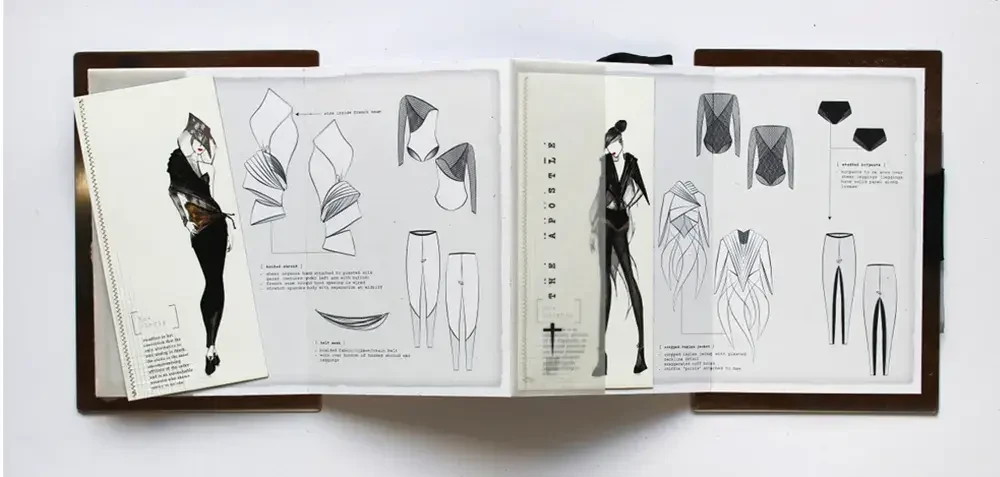
Image Courtesy: APPU
Tailoring your fashion design portfolio is like customising your resume for a specific job. Just as you highlight skills and experiences relevant to a job posting, your portfolio should align with what your chosen fashion design college values.
In order to do that, it’s essential to understand the design philosophy of the college and understand its unique ethos. Explore the specialised niches within the institution, addressing its unique features. Stay attuned to industry trends and requirements, seamlessly integrating current styles into your portfolio to showcase not just creativity but also awareness of the ever-evolving fashion industry.
PRO TIP: To make the impact even deeper, go beyond the surface by delving into the expertise and interests of the faculty. Tailor aspects of your portfolio to align with their preferences, illustrating your eagerness to contribute and thrive under their mentorship.
This comprehensive approach ensures that your creative showcase resonates not just with the college’s overarching philosophy but also with the individuals who shape its creative ecosystem. It’s about creating a portfolio that feels not just relevant to the college but uniquely attuned to its culture and aspirations.
Writing an Artist Statement For Fashion Design College Portfolio
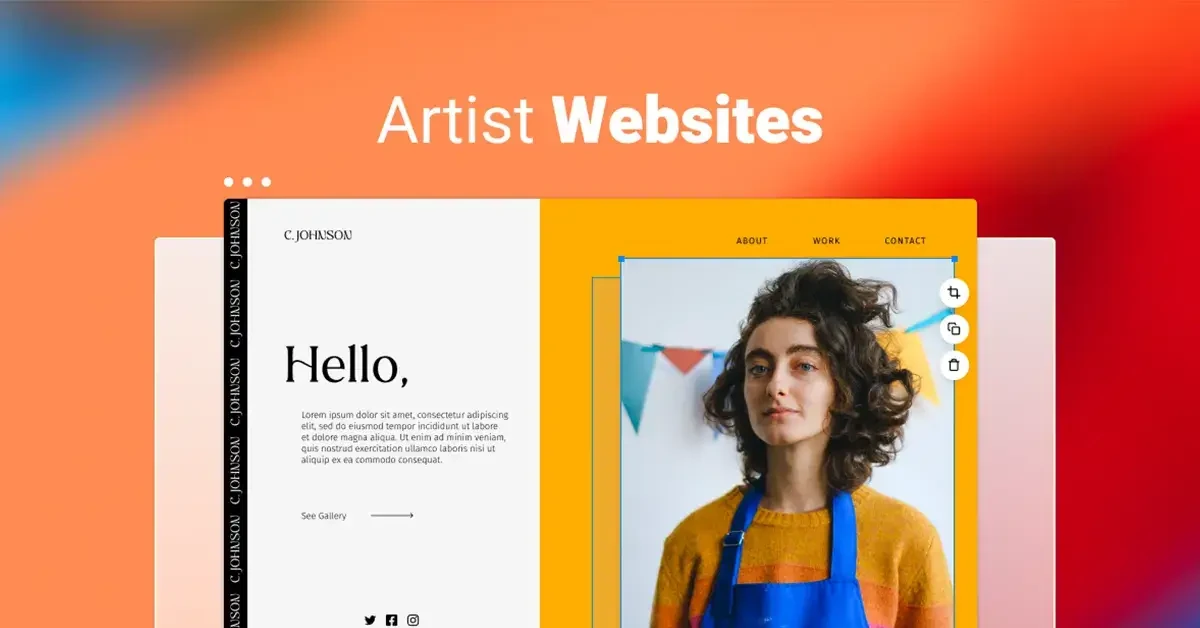
Image Courtesy: Zyro
Your artist statement serves as a sneak peek into your creative soul. It is the literary companion to your visual portfolio, offering a deeper understanding of the artist behind the designs. This statement is where your inspirations, motivations, and the essence of your creative journey converge, providing the admissions committee with an insight into the driving force behind your passion for fashion design. It transcends the visual realm, inviting a personal connection between your narrative and the committee, making it an important element in presenting the complete story of your creative identity.
A general statement can be considered superfluous, so it is important to infuse a personal touch by delving into your unique journey and revealing the motivations propelling your scope into the field of fashion design. Allow your narrative to unfold, connecting your life experiences to the designs you create. As you reflect on your design philosophy, articulate the principles that intricately guide your creative choices, offering an insight into the deeper meaning behind your work. This personalized approach transforms your artist statement from a mere formality into an authentic expression of your creative identity.
Just as your portfolio adapts, so should your artist statement. Personalise this narrative for each college, weaving in aspects that align with their values and emphasising how your unique perspective can enrich their creative community. This touch ensures your artist statement becomes a powerful testament to your fit within the specific ethos of each institution.
Digitising Your Portfolio for Online Submissions For Fashion Design College
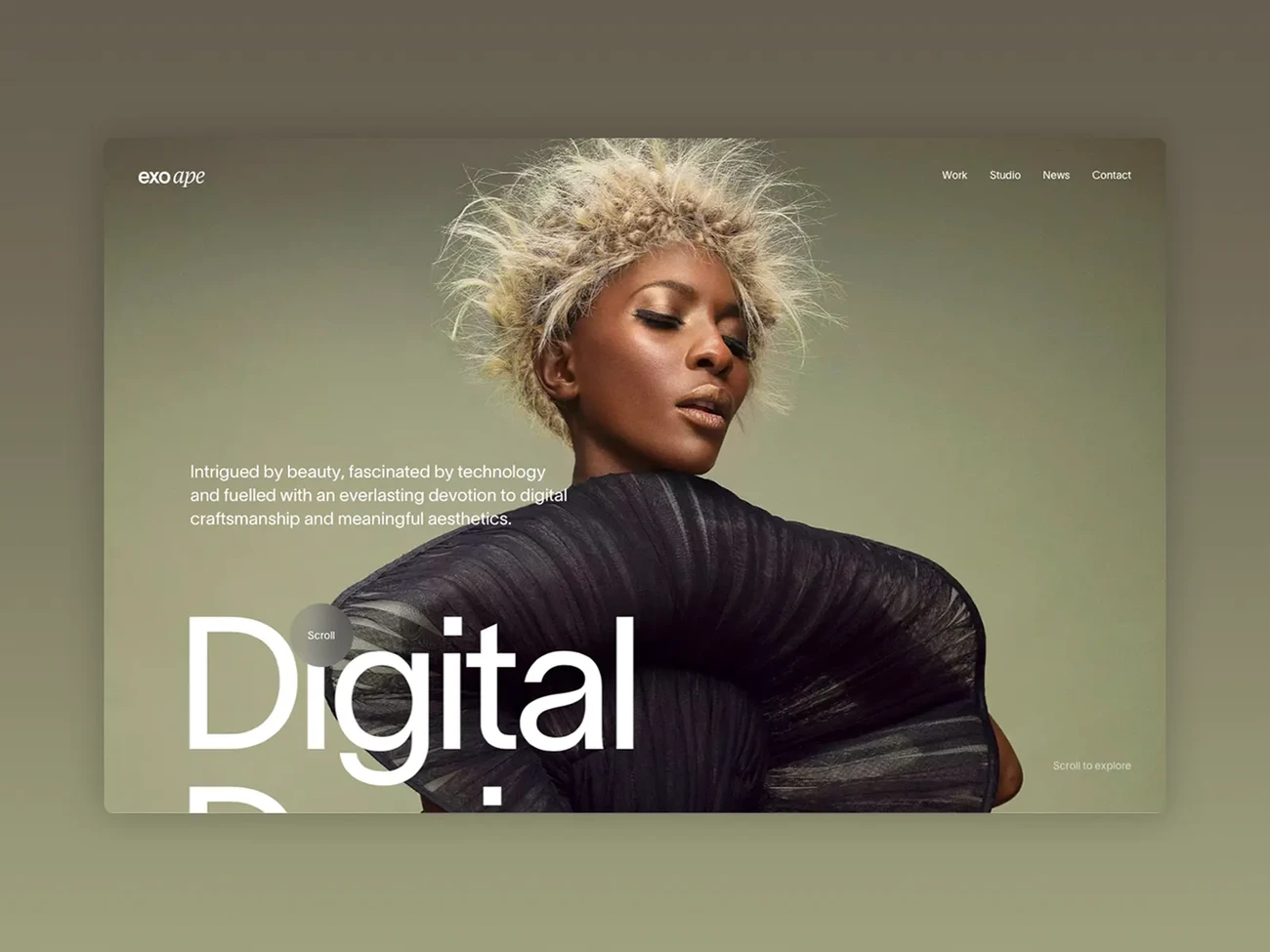
Image Courtesy: Awwwards
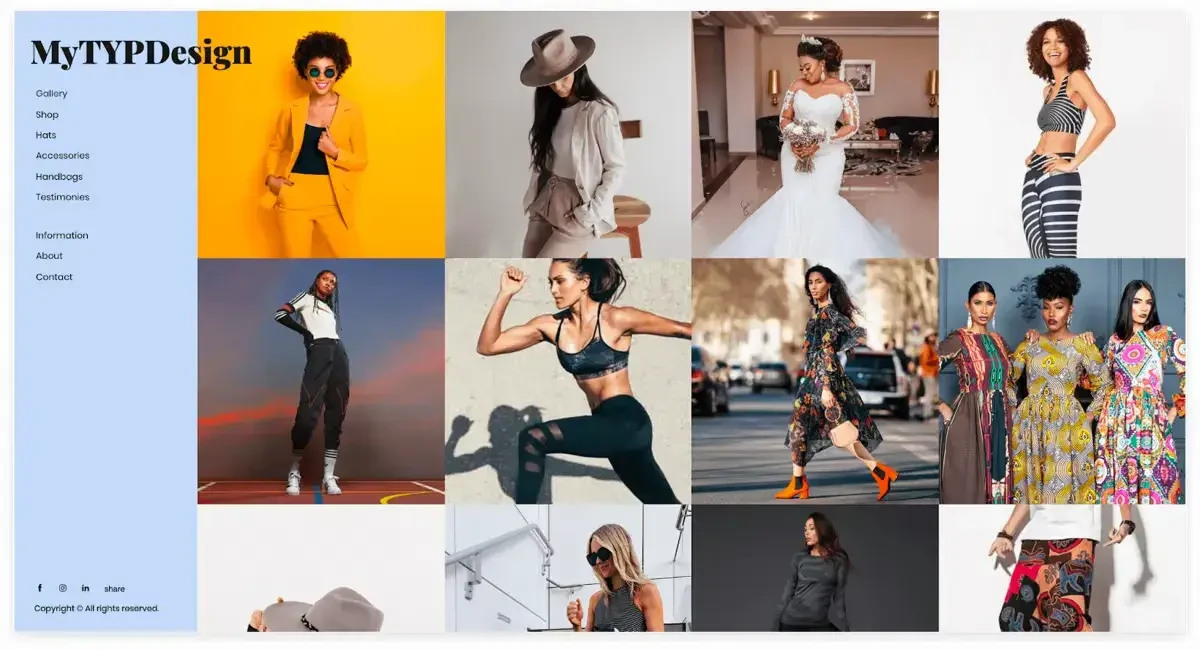
In today’s digital age, the significance of a digital portfolio for fashion design cannot be overstated. Your digital portfolio ensures accessibility and convenience for reviewers by breaking down geographical barriers, allowing admissions committees to review your work. A digital portfolio enables the integration of interactive and multimedia elements, offering a dynamic showcase of your designs that enchants the viewer and provides a much richer, immersive experience.
One can harness the power of a digital portfolio by choosing the right platform. To begin, establish a unique online presence by building a personal website. This platform offers unparalleled customisation, allowing you to exhibit your work in a way that aligns with your personal brand and design aesthetic. There are plenty of user-friendly online portfolio platforms to explore like Behance, Dribbble, Adobe Portfolio, WordPress, Flickr etc. These platforms often come with pre-designed templates, making it easier to create a professional and visually appealing portfolio without extensive technical knowledge.
While the allure of a digital portfolio is undeniable, practicality is also important. Ensure your chosen digital format is compatible with college submission systems for a smooth and hassle-free submission process, eliminating any technical barriers.
Photography and Presentation Tips: Portfolio for Fashion Design College
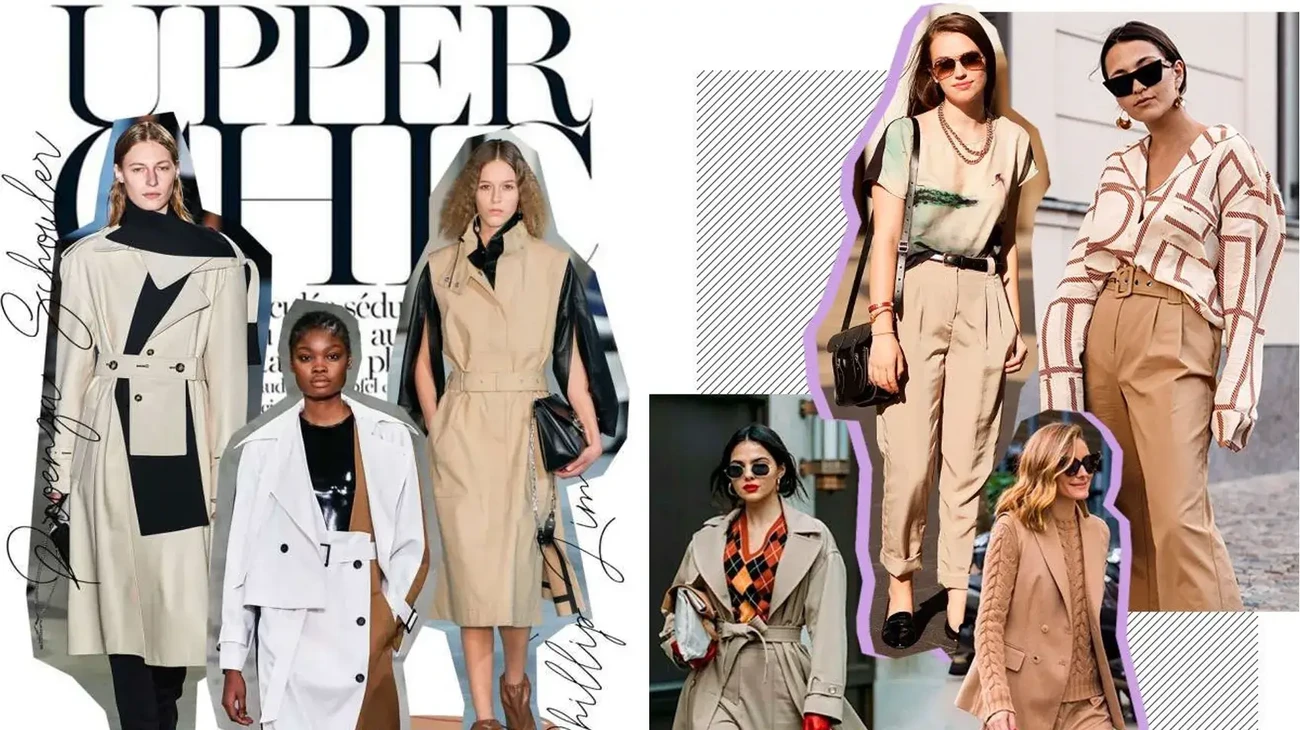
Image Courtesy: The Fashion Tag
Elevate your portfolio by prioritising quality photography that captures intricate details and textures, offering a close-up perspective to accentuate the craftsmanship of your designs. Move beyond isolated shots; contextualise your garments to provide a holistic view, illustrating how they seamlessly fit into real-life settings and complement various fashion design elements for added depth and relatability.
Moreover, establishing a visual identity is crucial for a cohesive presentation. Create a seamless look across your portfolio, ensuring a smooth transition between pieces. Consistency in styling and presentation reinforces your unique design aesthetic, contributing to a visually cohesive and impactful showcase.
Maintaining this delicate balance is key. Infuse creativity into your presentation while upholding professionalism. A visually stunning portfolio should reflect both your artistic flair and your understanding of industry standards. These photography and presentation tips not only enhance the visual appeal of your portfolio but also underscore your unwavering commitment to presenting your designs in the best possible light.
Seeking Feedback and Revising Your Portfolio for Fashion Design College
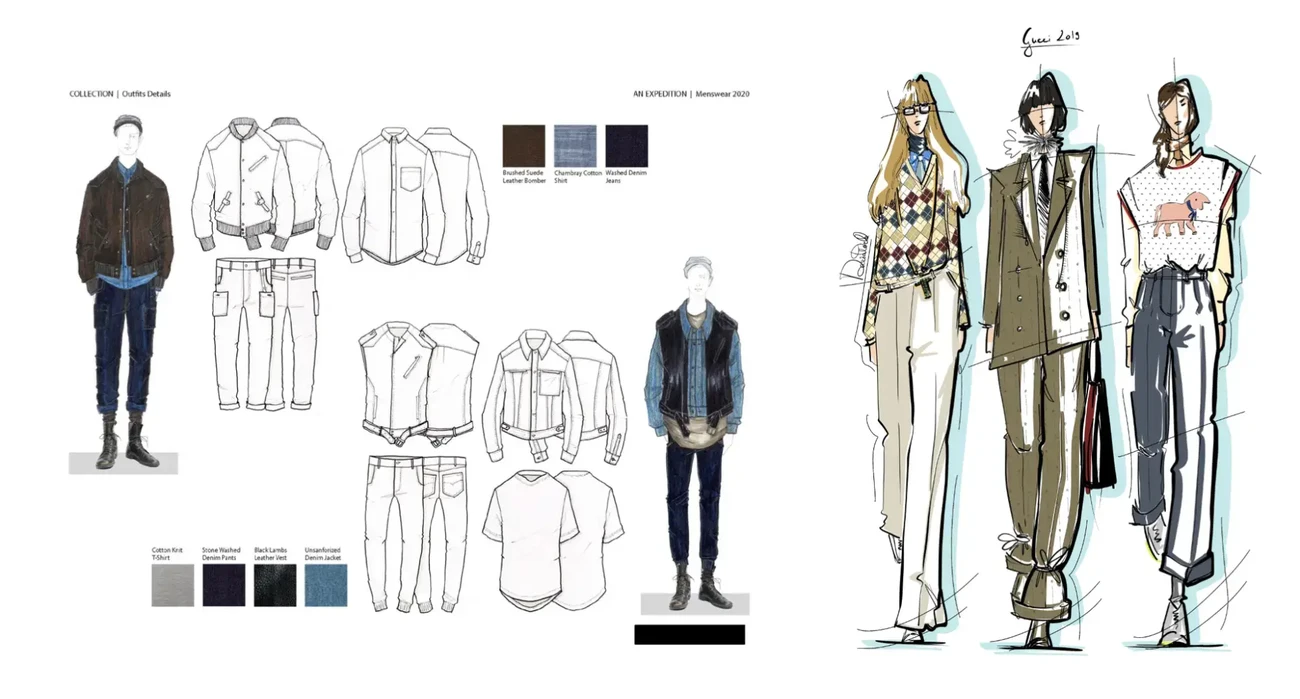
Image Courtesy: Beyond Talent Recruitment
Feedback ensures your work is refined and reaches its full potential. Engage with your creative community, peers and professionals for feedback, which is an invaluable tool for refining your portfolio. Learning to navigate critiques effectively is important; they are stepping stones, not stumbling blocks. Constructive insights from those within and outside the industry provide fresh perspectives, helping you polish your work and address blind spots more effectively. Learn to navigate feedback effectively, extracting constructive insights even from challenging comments. Cultivate a mindset that views critiques as opportunities for growth rather than obstacles.
It is also important to note that the world of fashion is an evolving landscape, and so should your portfolio be. Embrace a mindset of continuous improvement and treat your portfolio as a living entity, always ready for refinement. The iterative process will ensure that your work is a dynamic reflection of your growth and adaptability in the ever-changing world of fashion design.
Preparing for Portfolio Interviews for Fashion Design College
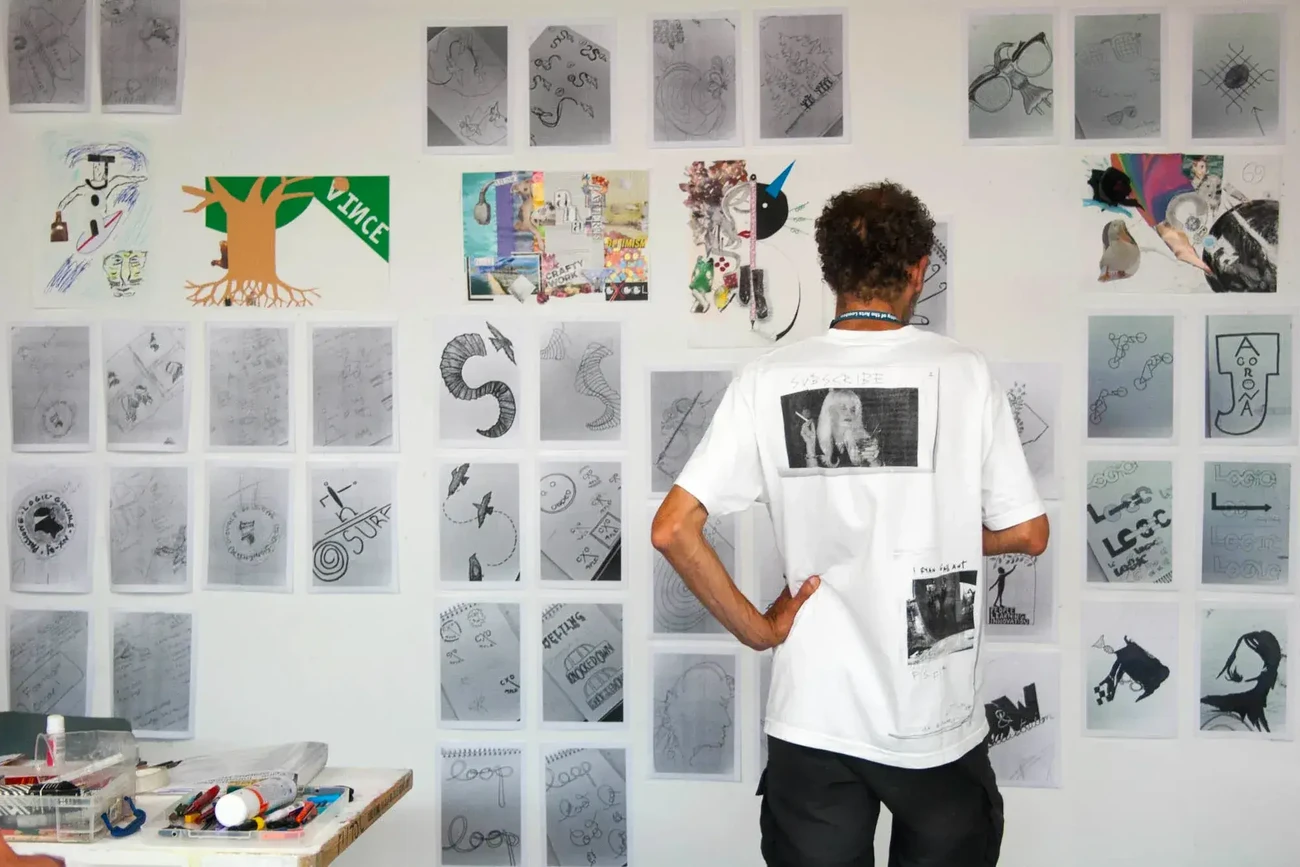
Image Courtesy: The Balance
Navigating portfolio interviews requires more than presenting designs; it demands the ability to articulate your creative journey. Preparing equips you for the subtleties of these interviews, urging you to anticipate questions about your design choices and express your evolution as a designer. It is important to share the story of your creative journey, emphasising key learning moments and milestones with eloquence. Communicate the passion and thoughtfulness driving your work with clarity and confidence.
Approaching portfolio interviews with preparedness for these common questions and a focus on expressing your personality and passion ensures that you not only present your designs but also engage interviewers in a meaningful dialogue about your journey as a fashion designer.
Common portfolio interview questions
Interviewers usually work straight from your portfolio, so be ready to talk about it. Common questions include:
- Why do you want to study fashion design?
- Walk us through your favourite project and why it matters to you.
- Where do your ideas come from?
- Which designers or movements influence you, and why?
- What would you change about this piece if you did it again?
- How do you take feedback?
- Where do you see yourself in five years?
Practise answering out loud, keep each answer to a short story with a clear point, and always tie it back to a specific page in your portfolio.
Additional Resources to develop a portfolio for fashion design college
To design your portfolio for fashion design college applications, consider tapping into some useful resources beyond your personal creativity. Explore online courses and workshops tailored for fashion design portfolio development. Platforms like Skillshare, Coursera, or fashion-specific institutions offer valuable insights, techniques, and expert guidance to refine your skills and elevate your portfolio.
Publications authored by seasoned designers or industry experts can provide in-depth strategies, tips and examples to inspire and guide you in crafting a standout portfolio.
Immerse yourself in the virtual world of fashion through industry blogs and websites and platforms like Vogue Runway, The Business of Fashion, and Behance which can serve as wellsprings of inspiration. Analyse the portfolios of established designers and emerging talents to gain insights into current trends and presentation styles. These additional resources offer diverse perspectives and expert advice to supplement your creative journey as you work towards creating a compelling fashion design portfolio.
How UDIT Helps You Build a Portfolio, and What It Looks For
At UDIT (formerly IIAD), building a portfolio is not a last-minute task, it runs through the whole degree. The B.Des Fashion Design course is make-first, so from the early years students produce real sketches, mood boards, technical flats and finished garments, exactly the material a strong portfolio needs. By the final year students take a concept all the way to market through live industry projects and a graduate collection shown at a professional runway showcase, then curate the best of it into a portfolio.
It also helps to know what a design school actually looks for. UDIT selects students through its own design aptitude test and a portfolio-and-interview round that weighs creative and visual ability, cultural awareness and logical thinking, not polish alone. So a portfolio that shows how you think and solve problems counts for more than one that only looks finished: lead with your research and process, not just the final images. That is the same standard the graduate work above is built to.
Frequently Asked Questions About Fashion Design College
1. How long should a fashion design portfolio be?
While there’s no strict rule, aim for quality over quantity. Include enough pieces to showcase your skills and versatility without overwhelming the viewer, typically around 15-20 strong pieces to design an effective fashion design portfolio.
2. What should I include in my portfolio?
Your portfolio should feature a range of work, including sketches, illustrations, garment photos and any other projects that highlight your design skills. Be sure to include your best and most relevant pieces.
3. Is it necessary to have a theme or narrative in my portfolio?
Having a cohesive theme or narrative can strengthen your portfolio. It helps convey a story about your design philosophy and can make your work more memorable.
4. Can I include collaborative projects in my portfolio?
Absolutely. Collaborative projects showcase your ability to work in teams, an important skill in the fashion industry. Clearly specify your role and contributions.
5. Is it necessary to have an online or digital portfolio?
In today’s digital age, having an online portfolio is highly recommended. It enhances accessibility and allows you to showcase multimedia elements.
6. Should I tailor my portfolio for each college?
Yes, it’s advisable to tailor your portfolio for each college. Research the specific requirements and focus areas of each institution, adjusting your portfolio accordingly.
7. What are some fashion design portfolio ideas?
Strong project ideas include a small capsule collection built around one theme, a sustainability or upcycling project, a reinterpretation of a traditional Indian craft or textile, a garment made from an unusual material, and a fabric-manipulation or surface-design study. Two or three complete, well-documented projects like these are worth far more than many half-finished ones.
About the Author
Shrankhla Verma is a design writer who contributes to UDIT’s blog (formerly IIAD’s The Circle). She writes for design aspirants across fashion and communication design, with published guides on fashion design fundamentals, fashion communication, the role of colour and design in visual communication, building a design portfolio, and preparing for design-college interviews. Her work focuses on making design education clear and approachable for students starting out in India.
More things to read