Article
Shreya Shrivastava
18/08/2026
This blog provides steps to becoming a fashion designer in India after pursuing Class 12. It covers the educational requirements, entrance exams, and types of fashion design courses that students can choose to pursue after 12th. It mentions some of the top fashion design institutes in the country and discusses the key skills a person needs to succeed as a fashion designer. It also sheds light on the value of internships, the importance of building a portfolio, potential career paths, and salary prospects in the fashion industry.
Table of contents
- The Path to Becoming a Fashion Designer After 12th
- Educational Requirements for a Fashion Design Course After 12th
- Types of Fashion Designing Courses After 12th
- Top Indian Design Institutes Offering Fashion Design Courses
- Duration for a Fashion Design Course
- What skills do you need to be a fashion designer?
- Building a Strong Portfolio for a Fashion Design Course
- Internships and Industry Experience in the Fashion Design Industry
- Career Opportunities in Fashion Design
- Salary Expectations
- Why Choose Fashion Designing as a Career?
- Is Fashion Designing a Good Career in India?
- FAQs
If you’ve ever found yourself imagining designing your own clothing line or seeing your creations on the runway, then becoming a fashion designer might be your true calling. But fashion design is not merely about clothing; it’s an art form that expresses creativity, culture, and personality through fabrics and designs. If names like Sabyasachi Mukherjee or Manish Malhotra excite or interest you, this guide is for you.
The Path to Becoming a Fashion Designer After 12th
The journey to becoming a successful fashion designer involves a blend of formal education, skill development, practical experience and a deep passion for the craft. Here is how you can take your first steps into the vibrant world of fashion design.
A real example of this path: Naseeb Sihag completed the B.Des in Fashion Design at UDIT (Batch 2020-24). Her graduate collection “Gharsa“, rooted in rural memories and village life, became a finalist at the World of Wearable Art, and she has gone on to work in menswear design at Nicobar. It shows how the journey runs from a Class 12 start, through a graduate collection, to an industry role.
Read the list of India’s top 10 Fashion Design colleges!
Educational Requirements for a Fashion Design Course After 12th
Eligibility Criteria
To begin your journey in the fashion design industry, candidates must meet specific eligibility criteria. These requirements ensure that students have a foundational understanding and the skills necessary to succeed in the design course.
a) Educational Background
While there is not a mandatory subject stream at the high-school level for pursuing fashion design, certain subjects can provide a helpful foundation. Art, design and home science are particularly relevant, as they offer insights into creativity, aesthetics and textiles. Students from any stream (arts, commerce or science) can apply for fashion design courses, but having a background in the aforementioned subjects may give them an advantage.
b) Minimum Percentage
The minimum percentage required for admission to a top fashion college in India can vary from one institute to another. Generally, candidates should have passed their 10+2 examination (or equivalent) with at least 50% marks. Some of the best design colleges might require higher percentages, especially for a fashion design degree. It is essential for candidates to check the specific requirements of the institutes they are applying to.
c) Entrance Examinations
Many reputed fashion design institutes in India require students to clear entrance exams as part of the admission process. These exams assess a candidate’s creativity, drawing skills, understanding of design concepts and general aptitude. Some of the popular entrance exams include:
- National Institute of Fashion Technology (NIFT) Entrance Exam
- National Institute of Design (NID) Entrance Exam
- Common Entrance Examination for Design (CEED)
- Pearl Academy Entrance Exam
- U-DAT Entrance Exam for UDIT (formerly IIAD)
Types of Fashion Designing Courses After 12th
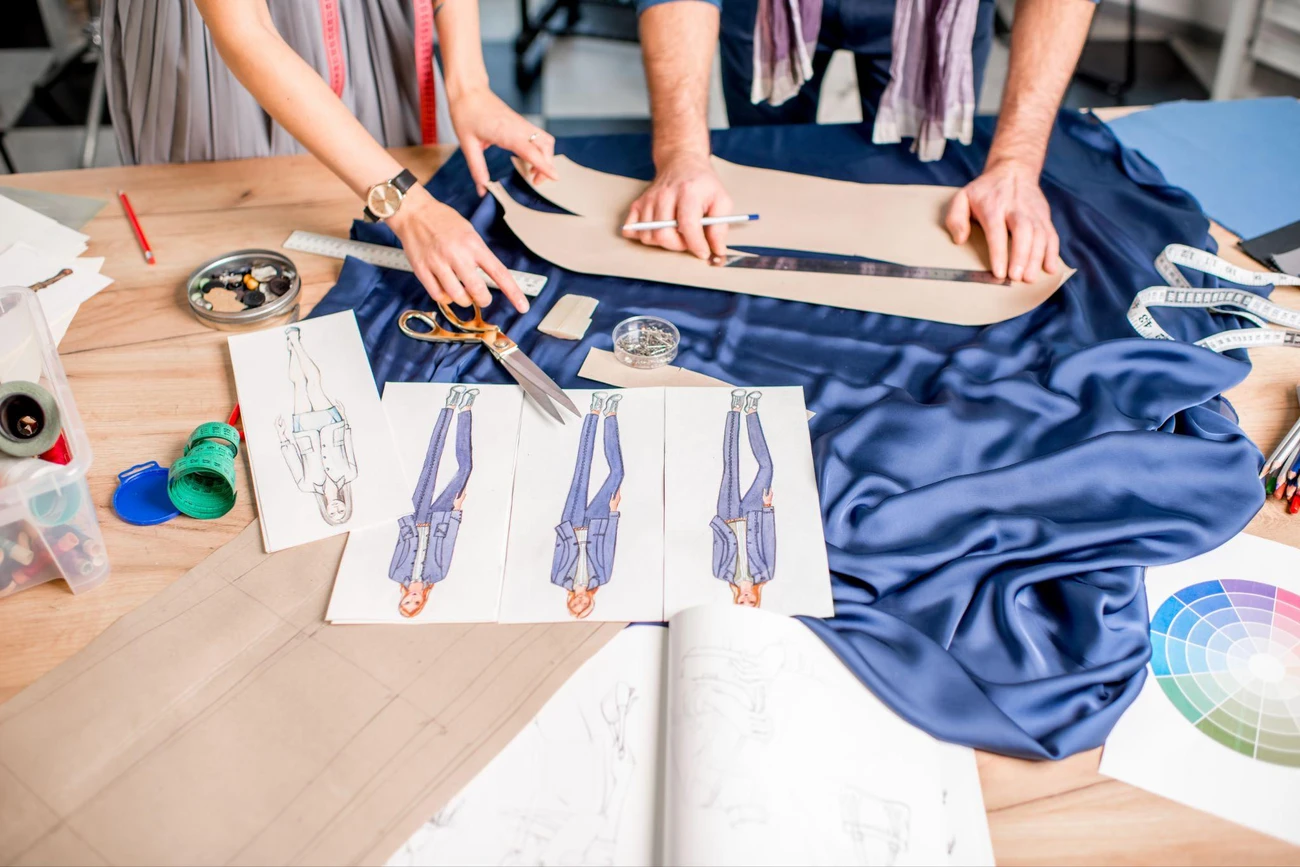
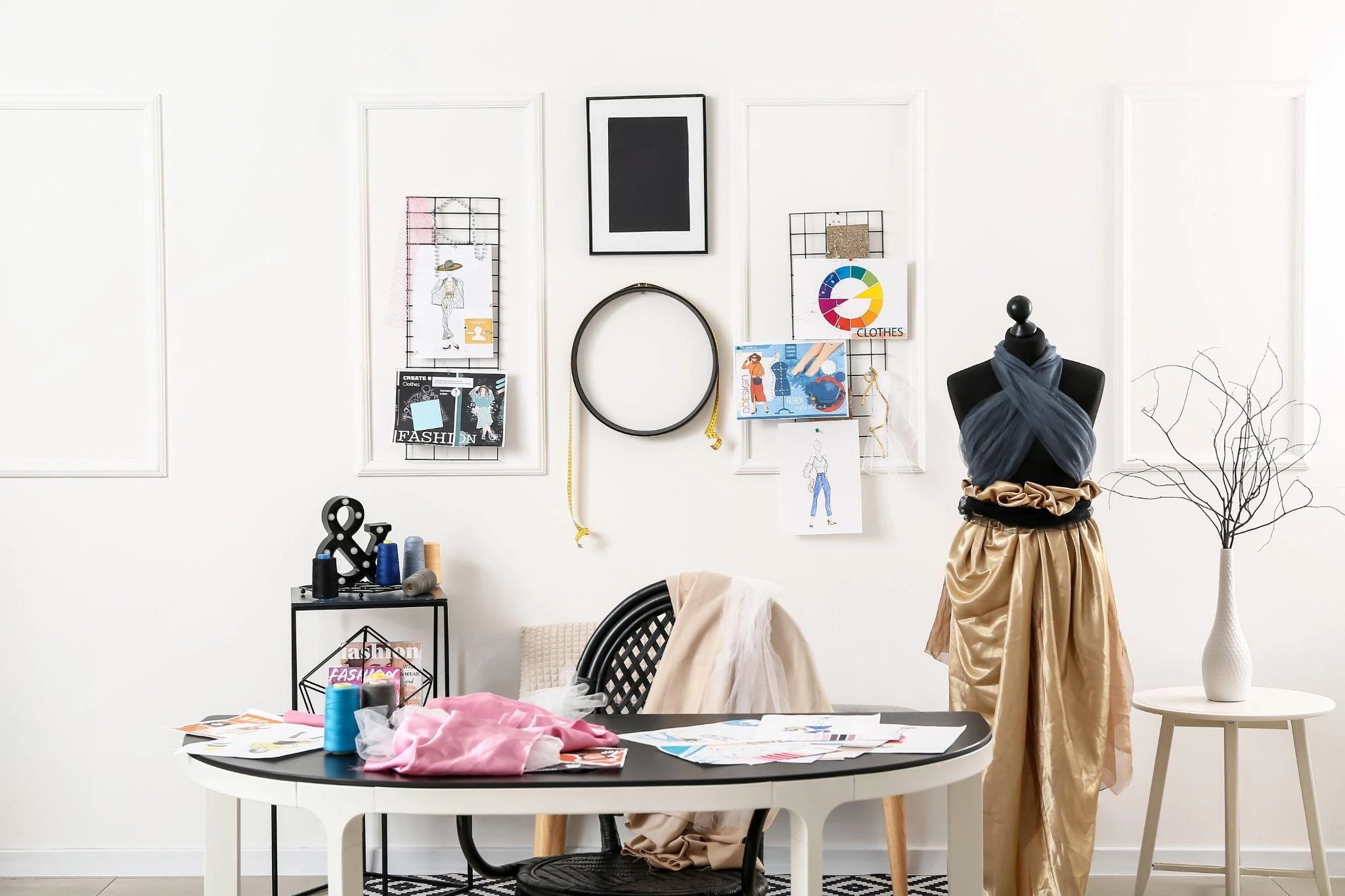
You can enroll in various kinds of fashion design courses to start your journey. Each course caters to different levels of interest and expertise. Here’s a helpful list of fashion design courses after 12th to guide your choices.
a) Diploma in Fashion Design Courses
Considering a diploma in fashion designing after 10th? Diploma courses in fashion design are typically short-term programmes that provide a foundation in fashion design. They are ideal for students who wish to gain a quick entry into the fashion industry or for those who want to supplement their existing knowledge with specific skills.
- Duration: 1 to 2 years
- Focus Areas: Basic design principles, textile knowledge, garment construction, fashion illustration
- Examples: Diploma in Fashion Design, Advanced Diploma in Fashion Design
b) Undergraduate Degree in Fashion Design Courses
Undergraduate degree courses in fashion design offer comprehensive training and in-depth knowledge of the fashion industry. These programmes are ideal for students who wish to make a long-term career in fashion design, offering them a well-rounded education that combines theory with practical experience.
- Duration: Three to four years
- Focus Areas: Fashion design, pattern making, textile science, fashion history, fashion business management, computer-aided design (CAD)
- Examples: Bachelor of Design (B.Des) in Fashion Design, Bachelor of Arts (BA) in Fashion Design, Bachelor of Fashion Technology (BFTech)
c) Certificate in Fashion Design Courses
Certificate courses in fashion design are short-term programmes focused on specific skills or areas within fashion design. These courses are suitable for individuals looking to enhance particular aspects of their design expertise or for professionals looking to update their skills.
- Duration: A few weeks to a few months
- Focus Areas: Specific skills like draping, pattern making, fashion styling, fashion photography
- Examples: Certificate in Fashion Styling, Certificate in Fashion Illustration
Top Indian Design Institutes Offering Fashion Design Courses
India is home to some of the finest fashion design institutes recognized globally for their quality education. In particular, Delhi’s best fashion design colleges not only maintain high standards but also offer students valuable opportunities for internships, industry exposure and placements, supporting successful career paths for fashion designers.
UDIT (formerly Indian Institute of Art and Design, IIAD)
The B.Des in Fashion Design course at this award-winning design school offers a unique learning experience through its learning-by-doing philosophy, emphasising practical, hands-on experience and industry interaction. This approach has helped UDIT students be well-prepared to meet the demands of the global fashion industry. UDIT (formerly IIAD) is now based in Sector 68, Gurugram, in the Delhi-NCR region. Recently, fashion design graduates Naseeb Sihag and Sanskriti Maheshwari (Batch 2020-24) secured finalist positions in the celebrated international competition, World of Wearable Art.
Disclosure: UDIT is our own school. We have listed it here openly, so please weigh it on the same factors as every other institute.
National Institute of Fashion Technology (NIFT):
With campuses across India, NIFT is one of the most reputed fashion design institutes in the country, offering a wide range of undergraduate and postgraduate programmes.
National Institute of Design (NID):
Known for its rigorous design programmes, NID offers a comprehensive curriculum that blends traditional craftsmanship with modern design techniques.
Pearl Academy:
Pearl Academy is renowned for its industry-oriented programmes and strong focus on practical learning.
Symbiosis Institute of Design (SID):
SID offers a blend of design education and industry exposure, making it a popular choice among aspiring fashion designers.
Duration for a Fashion Design Course

The duration of fashion design courses varies based on the level of study. Diploma courses typically range from one to two years, focusing on specific skills and practical knowledge. A bachelor’s degree is a three to four year programme covering fashion design fundamentals, techniques and industry practices. A master’s degree is generally a two-year course that engages deeper into specialised areas.
The fees for these courses can vary significantly based on the type of institution and course. On average, you can expect to pay between about Rs 1 lakh and Rs 5 lakh per year for a bachelor’s degree in fashion design, while diploma courses may be less expensive. Premium private colleges can charge more, so confirm current fees on each college’s official page.
What skills do you need to be a fashion designer?
Fashion design is the process of creating clothing, accessories and footwear that are both aesthetically pleasing and functional. It is a dynamic discipline that requires a unique blend of creative, technical and business skills. Aspiring fashion designers must cultivate a strong foundation in these areas to succeed in the industry.
Creativity and Artistic Flair
At the heart of fashion design lies creativity. This is the ability to think outside the box, conceptualise unique designs, and express ideas through clothing. Creativity involves an artistic flair, which includes a strong sense of aesthetics, colour theory, and the ability to visualise how a design will look when completed. Fashion designers must translate their inspirations, from nature, art, culture and everyday life, into innovative and wearable pieces.
- Originality: The ability to envision and conceptualise new and innovative designs.
- Artistic expression: The skill to communicate ideas through visual elements such as colour, texture and form.
- Trend awareness: A keen understanding of current and emerging fashion trends to inform design decisions.
Technical Skills Required
While creativity is vital, fashion design is also a highly technical field that requires specific skills to turn ideas into reality. Technical proficiency allows designers to execute their concepts with precision and ensures their designs are both aesthetically pleasing and functional.
- Sewing: Proficiency in various sewing techniques, including hand stitching and machine sewing, to create garments with precision and quality.
- Pattern making: The ability to create accurate patterns for different garments based on measurements, design concepts and body shapes.
- Draping: The skill of manipulating fabric on a mannequin to create three-dimensional forms and shapes that reflect the desired design aesthetic.
- Textile knowledge: A deep understanding of different fabrics, including their properties, characteristics and suitability for various garments and occasions.
Business Acumen
Understanding the business side of fashion is equally important. Designers must be able to market their designs, understand consumer behaviour, and manage the financial aspects of their business, whether working for a brand or running their own label. This helps designers create desirable products and ensure their business is sustainable and profitable.
- Marketing and branding: Knowledge of fashion trends, target markets and branding strategies to effectively promote and position designs.
- Financial management: Understanding basic financial concepts, such as budgeting, pricing and cost control, to manage a fashion business efficiently.
- Entrepreneurship: The ability to start and run a fashion business, including managing teams, sourcing materials and negotiating contracts.
- Problem-solving: The capacity to identify and address challenges that may arise in the design, production and business aspects of fashion.
Communication and Interpersonal Skills
Fashion design is a collaborative process that often involves working with other designers, manufacturers, marketers and clients. The ability to listen, empathise and adapt to feedback is crucial in a field where trends and consumer preferences change rapidly.
- Effective communication: The ability to clearly articulate ideas and concepts to clients, colleagues and manufacturers.
- Interpersonal skills: The capacity to build and maintain relationships with clients, suppliers and other industry professionals.
- Presentation skills: The ability to confidently present designs and concepts to a variety of audiences, including potential clients, investors and industry peers.
- Collaboration: The ability to work effectively with others, such as designers, pattern makers and seamstresses, to bring designs to life.
By developing these skills, aspiring fashion designers can lay a strong foundation for a successful career. Fashion design courses provide opportunities to learn and practise these skills in a structured environment.
Building a Strong Portfolio for a Fashion Design Course
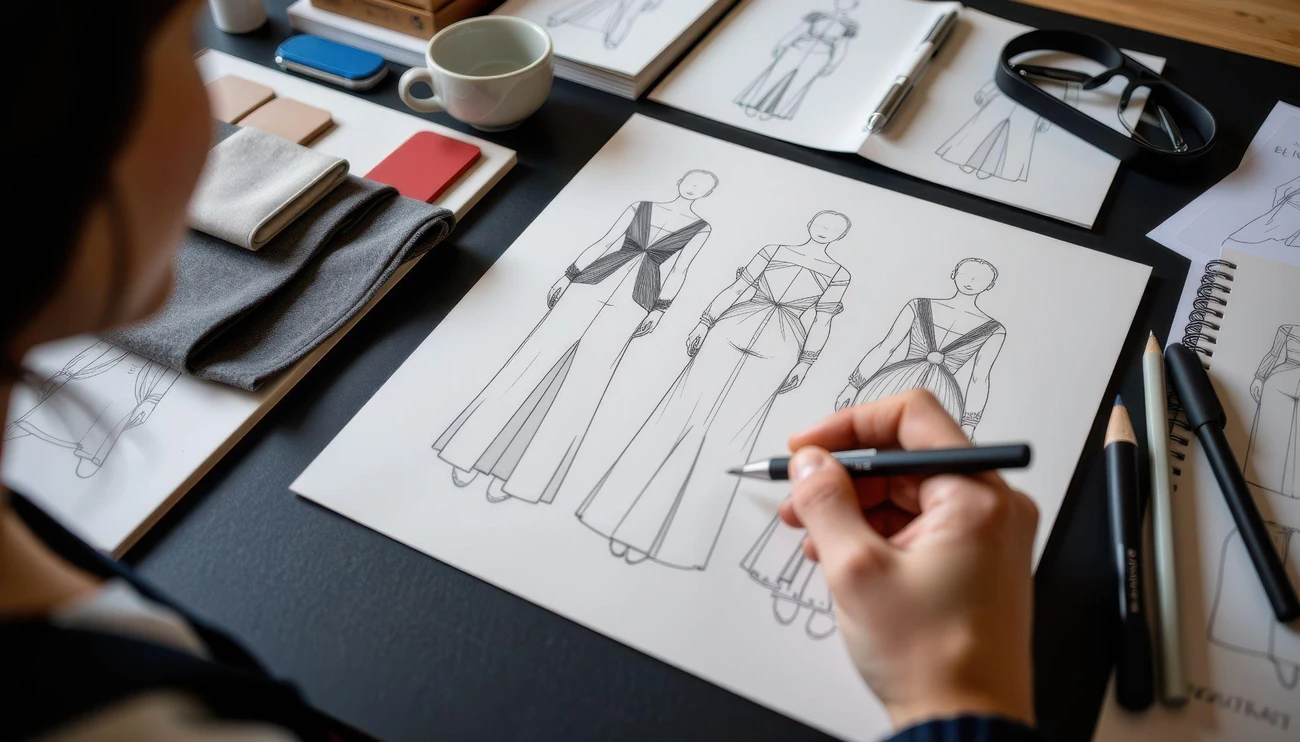
In the competitive world of fashion design, your portfolio is your most valuable asset. It showcases your skills, creativity and unique style, playing a crucial role in gaining acceptance into leading design schools or securing your first job.
For a real example of what this looks like, see the portfolio of UDIT (formerly IIAD) B.Des Fashion Design student Khushi Talwar. Her work spans denim, craft and jacket projects, an industry internship and a graduation project, showing the range a strong portfolio should cover.
Importance of a Design Portfolio in 2026
The fashion industry is more digital than ever. A well-crafted fashion design portfolio, whether in print or digital form, can set you apart from the competition. Your portfolio should reflect your best work, demonstrating your versatility and unique approach to design.
Tips for Creating an Impressive Fashion Design Portfolio
- Diversity: Include a wide range of designs to showcase your versatility, from casual wear to haute couture.
- Presentation: Invest time in presentation. Whether a physical book or a digital format, make sure it is professionally presented and easy to navigate.
- Personal style: Your portfolio should reflect your personal style as a designer. Highlight what makes your work unique, whether it is your use of colour, innovative materials or unique patterns.
Internships and Industry Experience in the Fashion Design Industry
Practical experience is invaluable in the fashion industry. Internships offer a glimpse into the real-world dynamics of fashion design, helping you apply what you’ve learned in school and build your network.
Benefits of Internships
- Practical experience: Apply your classroom knowledge in real-world settings, whether working on the production line, assisting in fashion shows, or collaborating on design projects.
- Networking: Internships provide opportunities to meet and work with industry professionals, which can lead to future job opportunities.
- Career opportunities: Many fashion designers started as interns. A successful internship can lead to a job offer or a competitive edge when applying for positions.
How to Find Internships
Attend fashion events, workshops and seminars to meet industry professionals. Use online platforms like LinkedIn and Internshala and fashion-specific job portals. And use your college placement cell, as many design schools help students find internships and placements.
Career Opportunities in Fashion Design
Fashion design is a versatile field with a wide range of career opportunities. Whether you want to work behind the scenes or be in the spotlight, there’s a role for everyone.
Here are some of the top career paths in fashion design:
Fashion Designer:
Fashion designers create original clothing, accessories and footwear. They work with a variety of materials and are involved in every aspect of the design process, from initial concept to final product.
Fashion Stylist:
Stylists work with individuals or companies to create outfits that reflect a specific image or brand. They may work with celebrities, fashion magazines or retail companies.
Pattern Maker:
Pattern makers turn designers’ sketches into templates used to cut fabric and create garments. This role requires a strong understanding of garment construction and attention to detail.
Fashion Illustrator:
Illustrators create sketches that represent designers’ ideas. These sketches are often used in the early stages of the design process to visualise concepts.
Textile Designer:
Textile designers create patterns and prints that are used on fabrics. This role requires a strong sense of colour and design, as well as technical skills in fabric manipulation.
Fashion Merchandiser:
Merchandisers are responsible for the buying, selling, and marketing of fashion products. They work closely with designers, manufacturers, and retailers to ensure that products meet consumer demands.
Costume Designer:
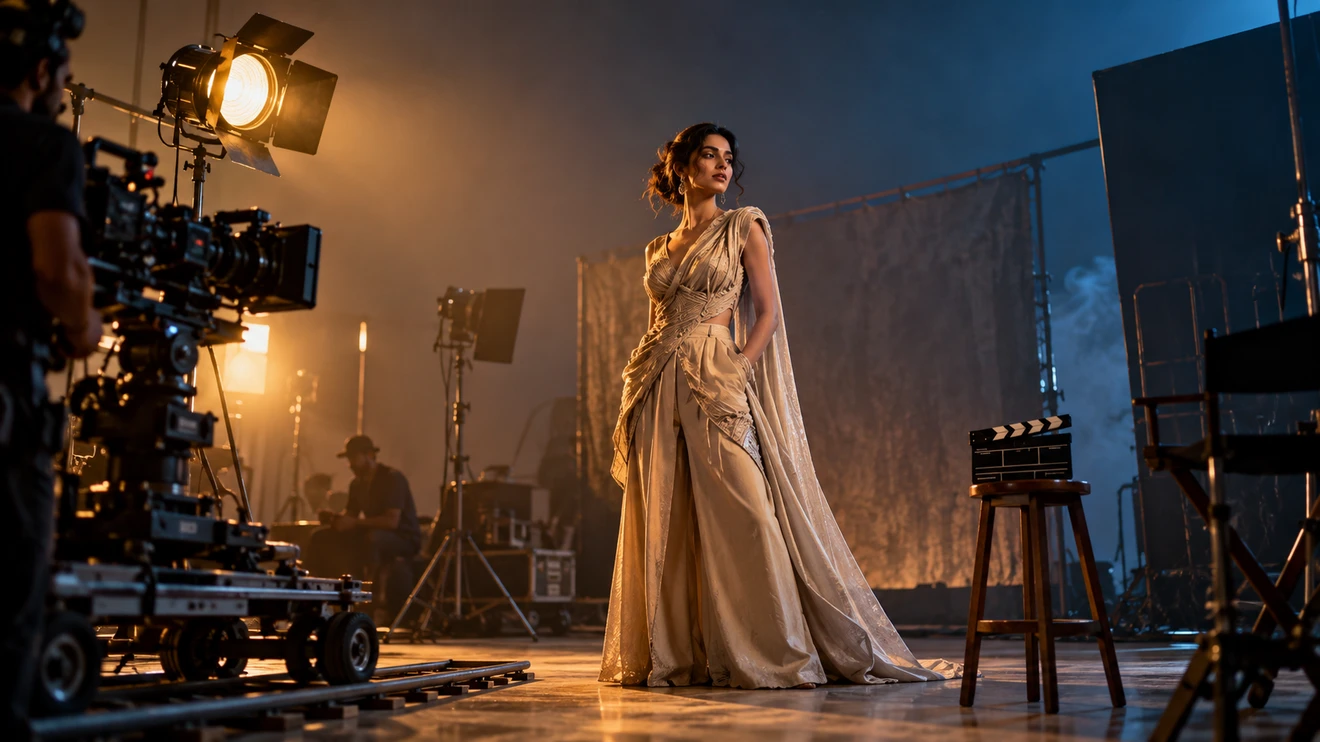
Costume designers create outfits for films, theatre, and television. This role requires a deep understanding of character development, historical context, and fabric manipulation.
Salary Expectations
Salaries in the fashion industry vary widely depending on your role, experience and location. As of 2026, entry-level fashion designers in India typically earn about Rs 2.5 to 4 lakh a year, and graduates from top institutes can start nearer Rs 4 to 6 lakh. With experience and a strong portfolio, salaries can rise significantly, and established designers or those working with top brands may earn considerably more.
Why Choose Fashion Designing as a Career?
If you love experimenting with fabrics, colours and textures, and enjoy expressing your creativity, this profession offers a unique platform to bring your ideas to life. Few careers offer as much creative freedom. You can experiment with silhouettes, play with unconventional materials, or challenge societal norms through your designs. Fashion designers often use their collections to make bold statements about sustainability, gender equality or cultural heritage, giving their work a deeper purpose.
- Passion and creativity: If you are passionate about fashion and love expressing your creativity, fashion design offers a perfect outlet to continuously experiment with new ideas and trends.
- Job satisfaction: There is nothing quite like seeing your designs come to life and being appreciated by others.
- Diverse opportunities: Fashion design offers a wide range of career opportunities across design, styling, merchandising and more.
Is Fashion Designing a Good Career in India?
Fashion designing can be a highly rewarding career in India, provided you have the right education, skills and passion. The industry offers diverse opportunities, from working with established fashion houses to starting your own label. With the growth of e-commerce and global fashion trends, there is a constant demand for innovative and skilled fashion designers.
How this is taught in practice: at UDIT, the four-year B.Des in Fashion Design is built around learning by making. Students drape, cut and construct garments from the early years, work with Indian craft clusters, and finish with a graduate runway collection.
FAQs
1. Can I become a fashion designer after 12th without drawing skills?
Yes. Drawing helps, but it is a skill you can learn, and it is not a barrier to entry. Many designers rely on digital tools instead of freehand sketching, using fashion croquis (ready figure templates) in software like Adobe Illustrator, along with mood boards, reference images and tech packs to communicate ideas. What matters most is design thinking and the ability to clearly communicate your concept so it can be made.
2. Is maths compulsory in Class 12 to study fashion design?
No. Maths is not a compulsory subject for most fashion design courses in India. Students from any stream, arts, commerce or science, can apply. Colleges look for creativity, design aptitude and a strong portfolio rather than a maths background, though basic numeracy helps with measurements, costing and pattern work.
3. Can I become a fashion designer without NIFT?
Yes. NIFT is one route, not the only one. You can study fashion design at UDIT, Pearl Academy, Symbiosis Institute of Design and many other colleges, several of which run their own entrance test or admit on the basis of a portfolio and interview. NID (via NID DAT) and CEED (for postgraduate design) are other options. Choose the college and entrance route that fits your strengths.
4. How many years does it take to become a fashion designer after 12th?
It depends on the course. A diploma takes about 1 to 2 years, a Bachelor of Design (B.Des) takes three to four years, and a master’s takes a further 2 years. Most students become job-ready after a B.Des, and internships during the course shorten the path into a first role.
5. How much does a fashion designer earn in India?
As of 2026, entry-level fashion designers in India typically earn about Rs 2.5 to 4 lakh a year, and graduates from top institutes can start nearer Rs 4 to 6 lakh. Salaries rise significantly with experience, a strong portfolio and the right brand, and established or independent designers can earn considerably more.
About the Author
Shreya Shrivastava is a design and content writer who contributes to UDIT’s blog (formerly IIAD’s The Circle). She writes practical guides for design aspirants, with published pieces on becoming a fashion designer after 12th, fashion design entrance exams, fashion internships, the best fashion design colleges in Delhi, and fashion communication (including how brands like Jacquemus, Mugler and Gaurav Gupta build their stories). Her work turns complex design-career questions into clear, step-by-step guidance for students in India.
More things to read