Article
Anushka Das
13/10/2026
Fast fashion has made clothing cheaper, faster and more available than at any point in history, but that speed and volume come at a real environmental cost. This guide looks at both sides, the concerns around textile waste, water use and emissions, and the benefits of making the fast fashion industry more sustainable through recycling, reuse and the simple 3R approach of reduce, reuse and recycle.
If we are what we eat” then it holds good as well for “we are what we wear” too. The fashion industry loves to acquaint us with what one should wear, what one should buy and what to carry without telling us about the hazards of textile waste that one would create. If we have that power at our disposal, why can’t we choose to use it more wisely? says Maithreye Rajagopal. It is an established fact, as quoted in many websites and research journals, that textile is among the most polluting industries in the world.
Table of contents
- So what is textile waste?
- Issues and Concerns in Textile Manufacturing
- Fast Fashion and its Role in producing Textile Waste
- Production of Cotton and Water Consumption
- Recycling and Reusing
- Benefits of Improving the Fast Fashion Industry’s Sustainability
- Where Things Stand Now
- Where This Fits in a Design Education
- Frequently Asked Questions
So what is textile waste?
A piece of fabric that is considered not useful for its original purpose by the owner is textile waste. This waste includes fabric scraps from cutting, leftover fabrics from the rolls, sampling yardage, damaged fabrics, clothing samples, unsold garments, and second-hand clothing waste. According to Gardetti and Torres (2013), the fundamental source of fabric waste is post-consumer waste and pre-consumer waste; they also confirm that pre-consumer waste includes unsold with retailers and damaged stock.
Textile waste signifies pollution deriving from clothes, shoes, accessories, towels, sheets, curtains and more. The ecological balance is adversely impacted by material production processes and disposal methods.
Issues and Concerns in Textile Manufacturing
Before exploring the waste reduction methods, we must assess the issues related to textile manufacturing. When textile manufacturing companies illegally dump their waste into local rivers and streams, they contribute to microplastic pollution. The waste also derives from landfills, where plastic fabrics degrade over time into minuscule beads. When it rains, stormwater carries the microplastics to the ocean, producing adverse aquatic effects.
The true cost of something that is made in a jiffy, briefly worn and ready to be thrown is unfathomable. Fast-fashion textiles contain synthetic materials like polyester, helping companies manufacture clothes cost-effectively. The fabrics are forms of plastic, deriving from petroleum, a fossil fuel. During combustion in textile manufacturing, the fuel source releases greenhouse gases into the atmosphere and environment. The fashion industry as a whole is estimated to produce roughly 8 to 10 percent of global greenhouse gas emissions each year. It also creates surface-level pollution from facility and landfill runoff.
Fast Fashion and its Role in producing Textile Waste
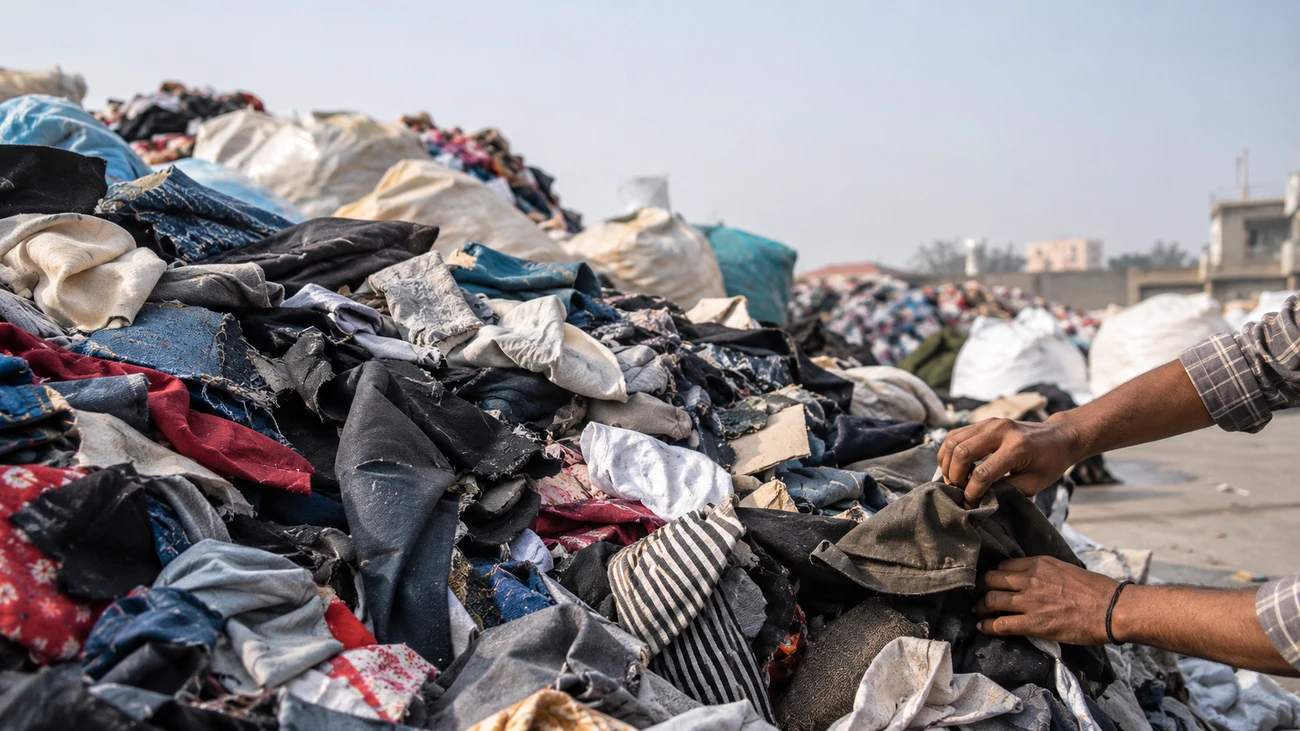
“Fast Fashion” is the business model that most retail stores have started to follow. It emphasizes new styles delivered to consumers immediately. Whereas a decade ago there may have been four seasons in a year, now there are upwards of 10. Smaller, more frequent seasons incite more shopping, while also quickening the pace at which clothing goes out of style. Clothing produced in massive quantities can also be sold at lower prices, encouraging consumers to buy more than they need. This means that in an effort to keep up with the best in fashion we are spending more money on clothing that will quickly go out of style and into the landfill. The world now consumes an estimated 80 billion pieces of clothing each year. This is up 400% from two decades ago.
Every industry has its ethical issues, but some of the most overlooked ethical problems of the textile industry are low wages, GMO, child labour, animal cruelty, high usage of natural resources, environmental pollution, and increased consumption and wastage of products.
Fast fashion companies can minimize textile manufacturing waste by sourcing a portion of their products from second-hand stores. Selling thrift goods reduces the demand for manufacturing processes, limiting synthetic material emissions. Reselling garments and textile goods also minimise atmospheric and surface-level waste, landfill waste and microplastic runoff, freeing up landfill space.
Production of Cotton and Water Consumption
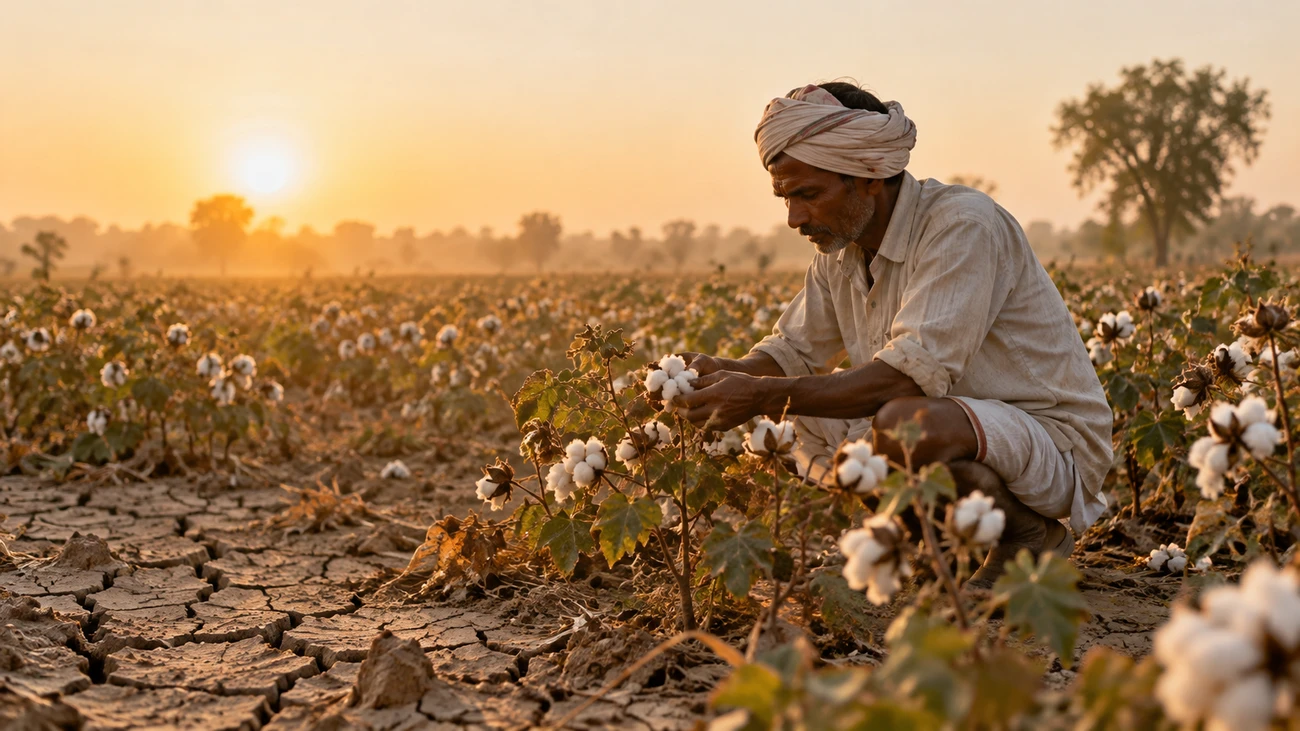
One of the most important natural resources textile uses is water. WWF reports that one key ingredient that doesn’t show up on our garment label is water, which can take 2,700 litres to produce the cotton needed to make a single t-shirt. The volume of water consumed by apparel production each year is currently around 79 billion cubic meters or 32 million Olympic swimming pools. The UN estimates that a single pair of jeans requires a kilogram of cotton. And because cotton tends to be grown in dry environments, producing this kilo requires about 7,500–10,000 litres of water. That’s about 10 years’ worth of drinking water for one person.
Recycling and Reusing
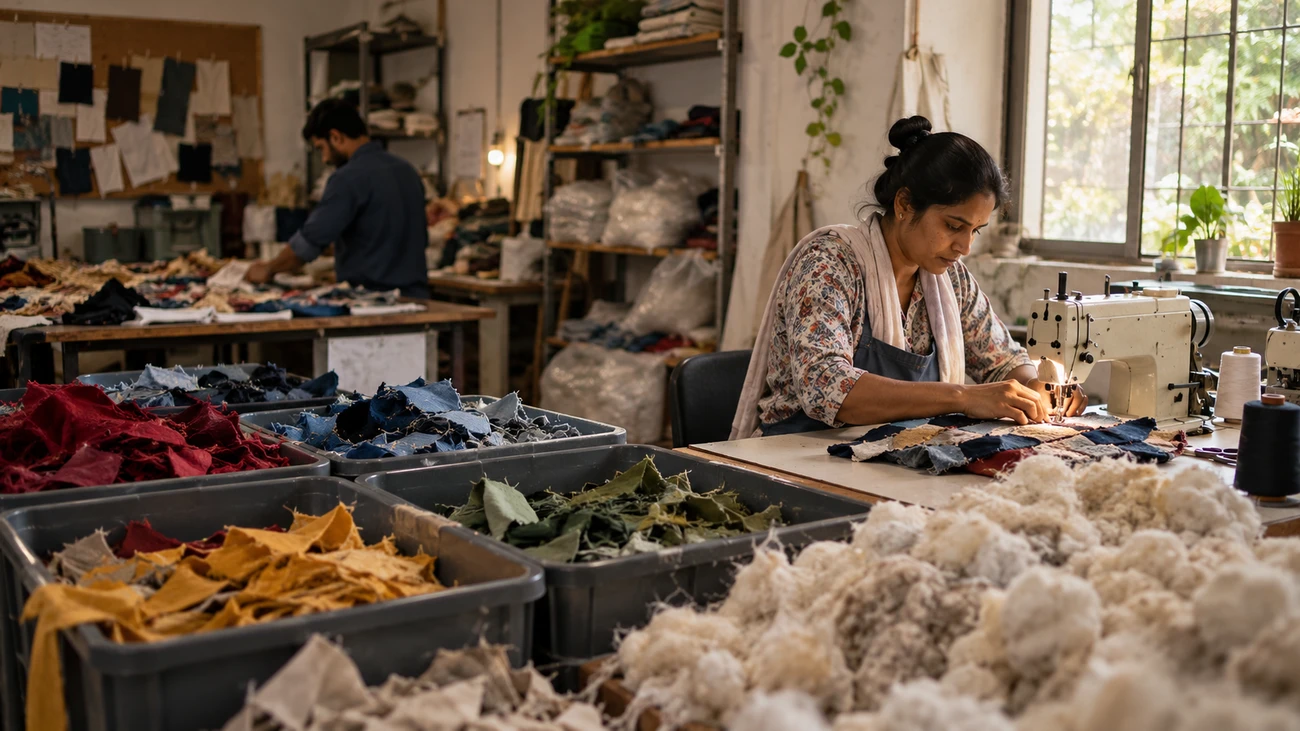
There are various methods the industry and consumers can engage in, to reduce this textile waste. When we regulate and minimise textile-related pollution, we can improve environmental conditions and preserve natural resources and the ecosystem’s stability. Many of the changes needed to make clothing more sustainable have to be implemented by the manufacturers and big companies that control the fashion industry. How you dispose of the textile waste and clothes at the end of their useful life is also important. Throwing them away so they end up in landfills or being incinerated simply leads to more emissions.
Recycling and reusing textiles, fibres and waste materials is an effective method to build sustainability in the apparel industry. This can be done and achieved across the board in large-scale garment factories, small-scale garment factories, retailers, and individuals at home. Post-consumer and pre-consumer textiles can be recycled mechanically into tiny fibre that can be used for yarn and fabric production for several purposes. In contrast, shorter fibres may result in weak quality textiles, and it is good to combine the recycled fibres with the new ones to achieve the desired quality.
Retail brands such as H&M incorporate a small amount of recycled fibre into some of their garments. Some other companies that are practising these sustainable waste management actions are Patagonia, Nike, Levi, Evrnu, etc. Patagonia recycled fibre into products, and their recycling program has used polyester wool and cotton. The company reclaimed polyester from plastic bottles and blended it with recycled wool for its wool products to have good quality products.
In Nike’s sustainable program, post-consumer waste shoes are reprocessed and reused for new products. Nike introduced the reuse of a shoe program way back in the 1990s. They use discarded bottles from Japan and Taiwan in their fibre production process. These fibres are then spun, knitted, and used for Nike jerseys. Evrnu, on the other hand, processes post-consumer cotton textile waste for quality biobased fibre. Levi’s has several programs that include fibre recycling. Levi Strauss and Co. recycle waste plastic bottles and black food trays into the fibre. Products from Levi Strauss and Co. have a minimum of 20% of post-consumer waste in them. All these companies are working for the sustainability of the environment, and while some focus on waste products like turning plastic bottles into garments, others focus on used clothes for upcycling and clothes from people who are no longer in need of them.
Benefits of Improving the Fast Fashion Industry’s Sustainability
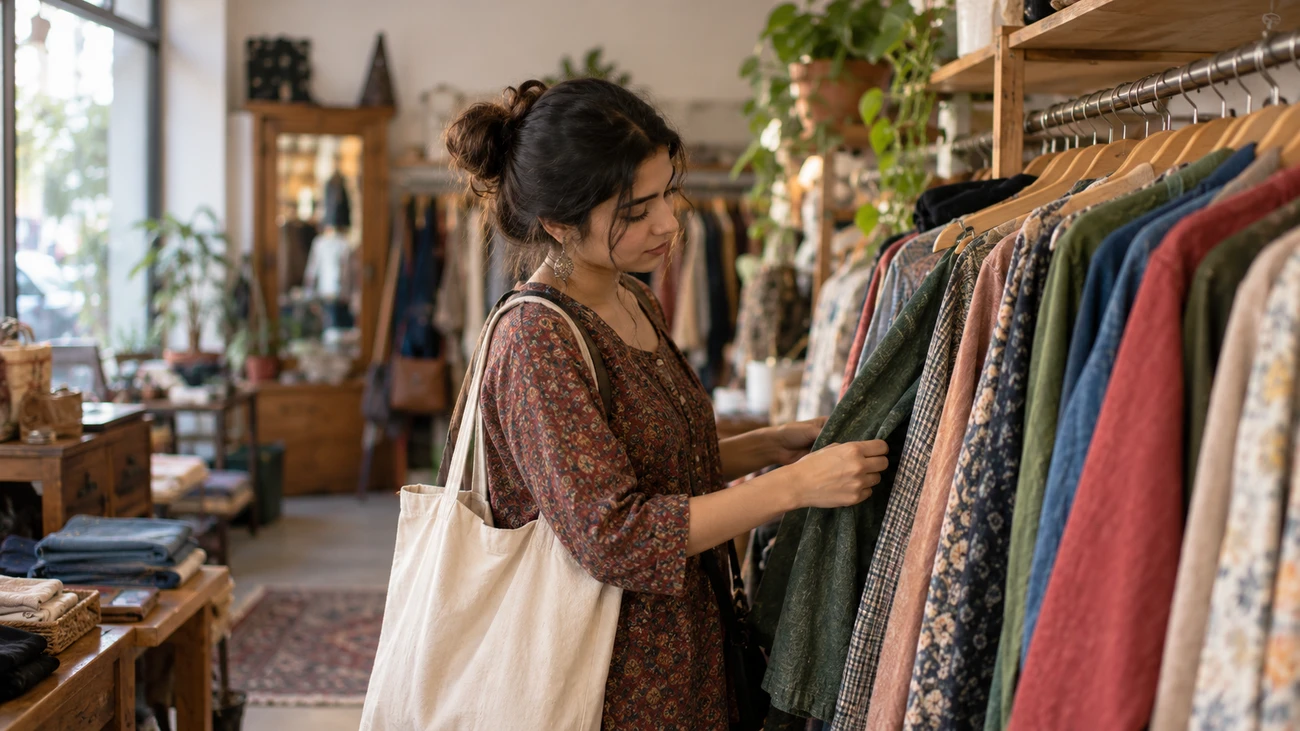
Given the size of the global textile industry, which is continuing to grow with the support of constant consumer demand, steps need to be taken to address the growth of textile waste. Some companies are also reducing textile waste, taking responsibility for their clothes throughout their life cycles. They provide drop-off boxes for consumers’ old articles, repurposing the fabric for new clothes. Companies that produce clothes from recycled materials or resell second-hand items support the circular economy.
By adopting a comprehensive textile waste strategy that incorporates the 3R principles, cities can address local waste-related issues while reaping economic gains. The waste hierarchy pyramid provides different ways to reduce textile waste –Reduce, Reuse, Recycle. The order matters here! Reduce what you use before you start to reuse. Reuse what you have before you recycle it.
Reduce
This is interpreted as buying and selling fewer new clothes or making them in a way that uses fewer resources. In manufacturing, zero-waste patterns increase fabric yield and minimize scraps.
Reuse
Encouraged by the inclination of the young generation, brands and retailers are taking the responsibility of green practices seriously. A study by thredUP reports that millennials and GenZ are readily adopting resale products, which is making even traditional retailers embrace second-hand. Overall, the second-hand clothing market is expected to double in the next five years.
- Swapping
- Reselling first-quality clothes
- Renting textiles.
- Repair clothes.
- Repurposing
Recycle
95% of all textiles have the potential to be reused or recycled, but currently, they are recycled at a rate of only 15%. This disproportionate rate is thought to be caused by a lack of awareness among individuals. Post-consumer and pre-consumer textiles can be recycled mechanically into tiny fibre which can be more effectively implemented to prevent so many textiles from being thrown away. Textiles that are too damaged to be worn should be recycled into new fibres. Many are simply downcycled into wipes or blankets, and down for pillows.
As consumers, the changes we all make, not only add up but can drive change in the industry, too. According to Fee Gilfeather, a sustainable fashion expert at charity Oxfam, we can all make a difference by being more thoughtful as consumers. Fashion has the ability to change and shape lives through its personal connection to us all. Fashion brands today have started implementing a circular economy based on Cradle-to-Cradle in their business models. For effective implementation, fashion brands adopt inventiveness, creativity, versatility, and resilience. Brands set an example for both other brands and their customers by having the lowest possible footprint while offering appealing consumer products. The fashion industry, in following this fundamental goal, aims to ensure sustainable businesses maintain a positive impact on people and the planet, which can have a significant contribution to future sustainability.
Where Things Stand Now
The push to make fast fashion more sustainable has gained real momentum. The second-hand, resale and rental market has grown quickly, and industry reports expect it to keep expanding over the next few years. Regulators have started to act too: the European Union’s strategy for sustainable and circular textiles is introducing extended producer responsibility, which makes brands help pay for the waste their clothes create. In India, a large informal recycling and handloom economy already keeps textiles in use, and a growing number of homegrown labels build reuse and upcycling into their business models. The wider move away from throwaway clothing toward slow fashion is part of the same shift.
Where This Fits in a Design Education
Designing for sustainability is now a core part of how fashion is taught, not an afterthought. At UDIT (formerly IIAD), the B.Des Fashion Design course builds material awareness, zero-waste pattern-making and circular-design thinking into the studio, so students learn to cut textile waste at the design stage, where much of a garment’s footprint is decided.
Frequently Asked Questions
1. Is fast fashion really that polluting?
Fast fashion has a heavy environmental footprint. The fashion industry is estimated to account for roughly 8 to 10 percent of global greenhouse gas emissions, uses very large amounts of water, and sends large volumes of textile waste to landfill. It is among the most polluting industries in the world, although the often-repeated claim that it is the single second most polluting industry after oil is not backed by solid evidence.
2. What are the benefits of fast fashion?
Fast fashion made clothing far more affordable, accessible and responsive to trends than ever before, which is a large part of why it grew so quickly. The opportunity now is to keep that accessibility while cutting the waste, through recycled materials, resale, rental and better design.
3. What are the 3Rs of textile waste?
Reduce, reuse and recycle, in that order. Reduce means buying and making fewer new clothes; reuse means swapping, reselling, renting and repairing what already exists; and recycle means turning worn-out textiles into new fibres rather than sending them to landfill.
4. How can I reduce my fashion footprint?
Buy less and choose well, shop secondhand or vintage, repair and repurpose what you own, and recycle textiles that are beyond use rather than binning them. Small, consistent choices by many consumers add up and push brands to change too.
About the Author
Anushka Das is a textile-design expert and a Textile Design graduate of NIFT, New Delhi, with over 15 years in the textile and fashion industry. She has worked as Head Designer alongside Ritu Kumar and Neeru Kumar, leading collections for domestic and international clients, and in 2010 founded her own label, Anushka-Annasuya, which fuses Indian craft with contemporary design. Her work spans collaborations with Fabindia, Jaypore and Ajio across apparel and home; the Anzen and Fiori fabric-mask ranges she co-designed during the pandemic to support handloom weavers; and projects with the Ministry of Textiles and craft-focused NGOs. A committed advocate of sustainability, she works to a zero-waste philosophy and serves as a jury member and consultant, integrating traditional crafts into modern life.
More things to read