Article
Pratik Aswal
09/10/2026
Slow fashion is a way of making and buying clothes that puts quality, fair labour and a lighter environmental footprint ahead of the fast, cheap, throwaway cycle most of us grew up with. This guide covers what slow fashion really means, how it differs from ethical and sustainable fashion, where the movement came from, and six Indian slow fashion brands leading it, from Doodlage and Ka-Sha to Maati.
Here is what we are going to cover in this blog:
- What is the need to embrace slow fashion? Well, there is no Planet B.
- What Is Slow Fashion?
- How Is Slow Fashion Related To Ethical & Sustainable Fashion?
- How Did Slow Fashion Become A Movement?
- How Can You Be A Part Of The Slow Movement
- 6 Slow Fashion Brands In India
- Where Slow Fashion Stands Now
- Where This Fits in a Design Education
- Frequently Asked Questions
- Time’s Up For Fast Fashion!
What is the need to embrace slow fashion? Well, there is no Planet B.
Ever thought what role does fashion, the things we buy, and the brands we support financially play in the sustainability of earth? The apparel business, it turns out, is responsible for an estimated 8 to 10 percent of global carbon emissions!
Let’s take a look into how we can produce less textile waste and embrace slow fashion. First things first…
What Is Slow Fashion?
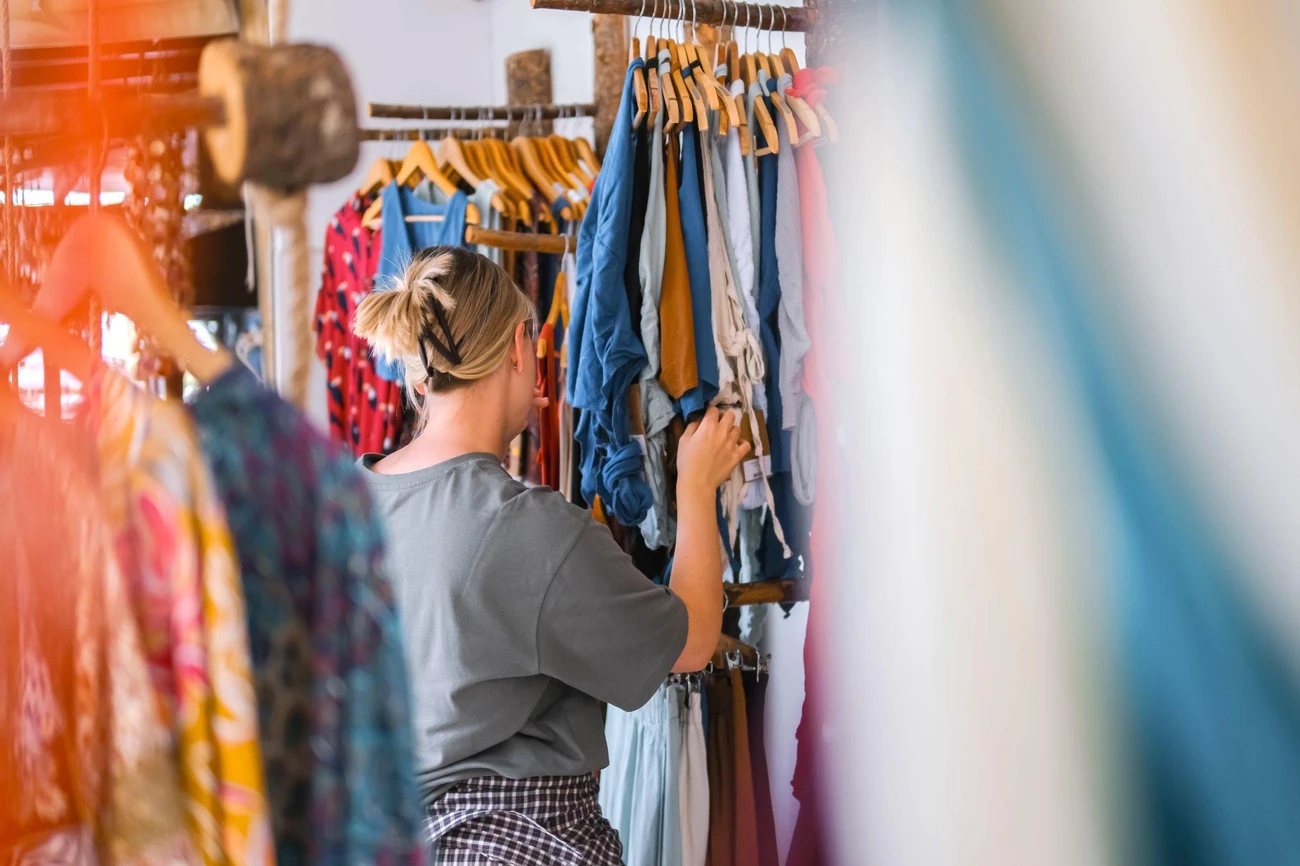
Slow fashion, in layman’s terms, is the antithesis of quick fashion and is seen as a continuation of sustainable fashion. You may have come across the term slow fashion if you have ever looked for environmentally friendly and sustainable clothing. It is, however, frequently more expensive than quick fashion due to the added labour and expenditures involved.
Slow fashion, like slow living, is countercultural; it contradicts existing societal conventions such as “more is more” and “faster and cheaper is better.” We all are a part of the fast-fashion problem before we finally become a proponent of slow fashion. Case in point: I bought far more than I wore and donated most of it to either the underprivileged or thrift stores. I’m almost certain that my old garments are probably discarded in a landfill. Guilty!
Slow fashion combines a brand’s practices with a customer’s shopping habits. While slow, ethical, and sustainable fashion all describe efforts toward an aspirational goal—rethinking our relationship with clothes. The movement strives to develop an industry that benefits both the environment and all people.
How Is Slow Fashion Related To Ethical & Sustainable Fashion?
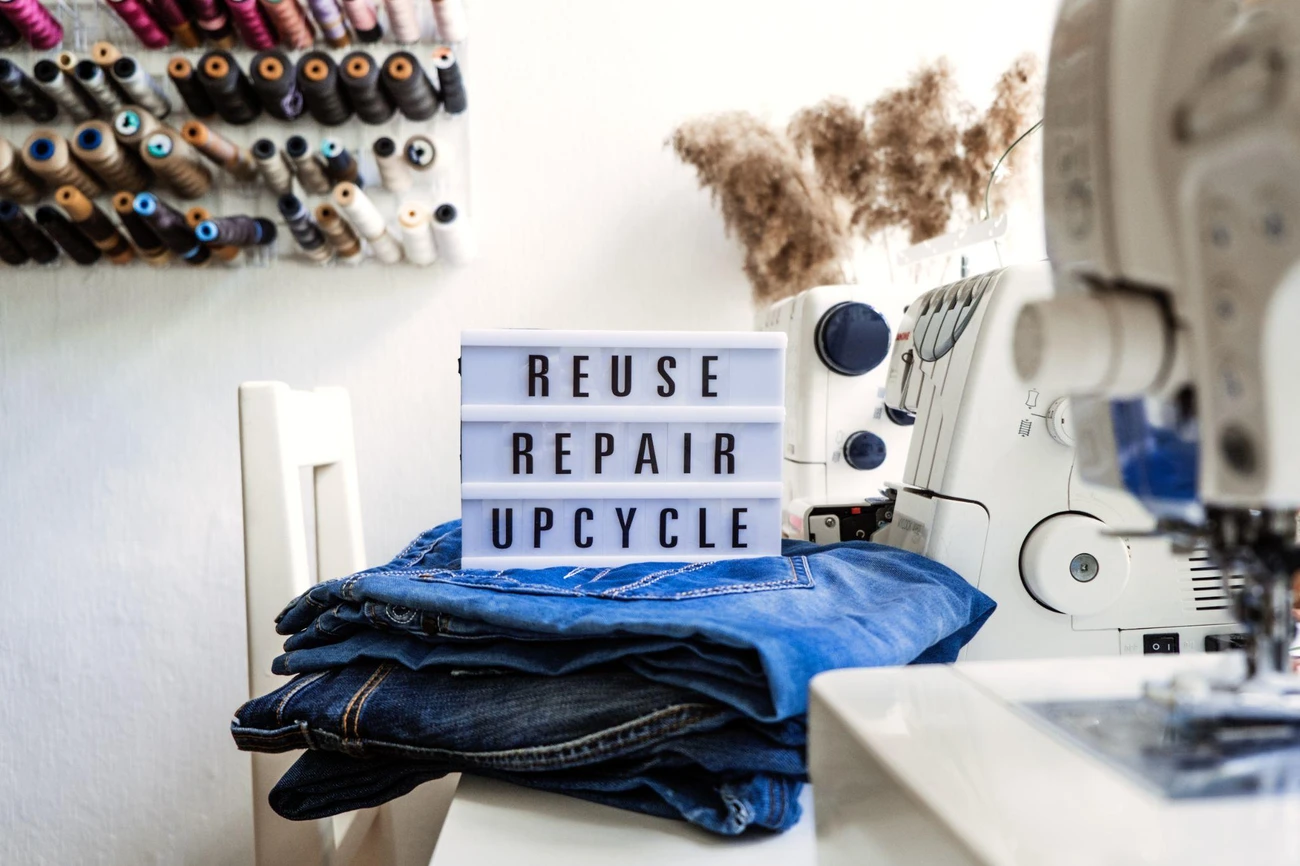
When it comes to the health of our planet, fashion has often been pointed at. There are, however, methods to stay fashionable and trendy while not contributing to global warming or human rights violations. Slow, sustainable, and ethical fashion is the answer.
It could be confusing to understand the meaning behind these terms, especially when organisations often have varied answers and all these terms sort of overlap with each other. We’ll try our best to break it down in the easiest possible manner.
Slow Fashion
Slow fashion is what quick fashion is not. It simply means a fashion awareness and approach that takes into account the processes and resources needed to create apparel. It is based on the idea of reducing consumption of clothes by prioritising the environment. It considers everything from style to design, quality to even the intention behind its creation and promotes the purchase of higher-quality garments that will last longer.
Ethical Fashion
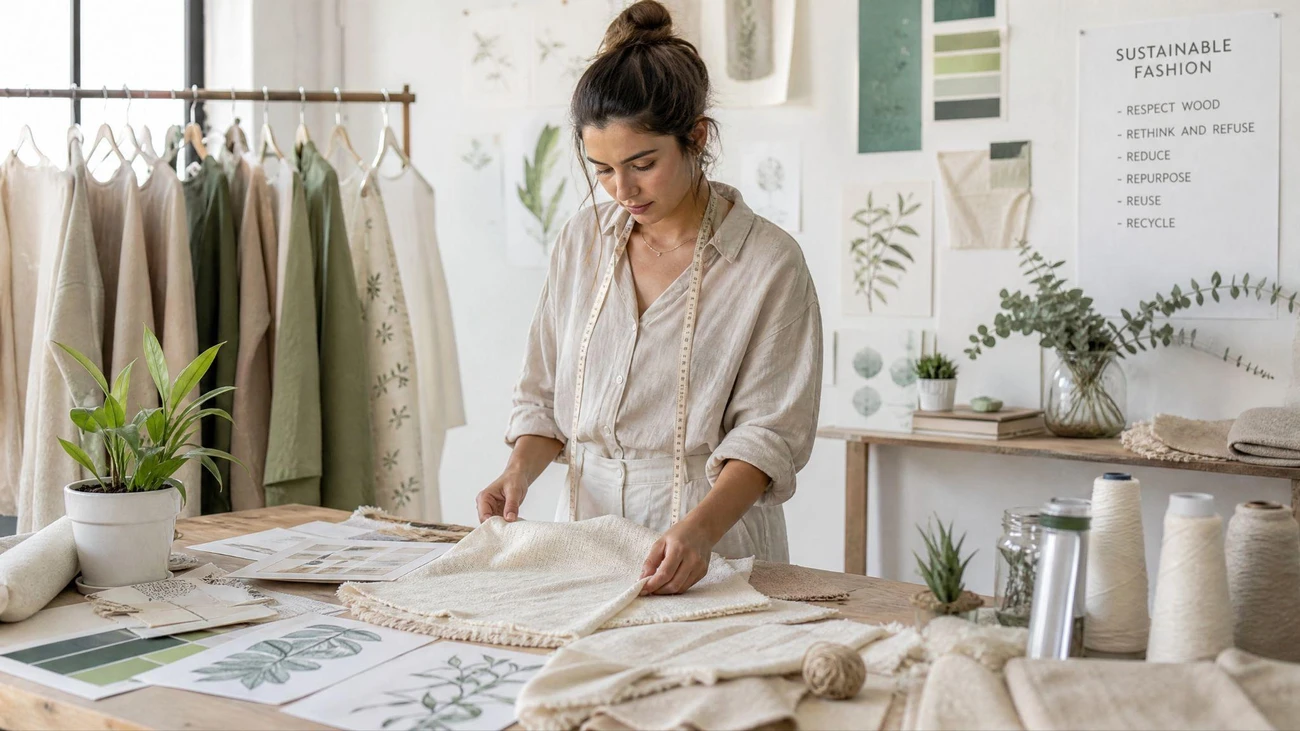
Slow fashion is directly concerned with ethical issues in the fashion industry. Human and animal rights must always be protected as a result of this. How can you partake in this? Always remember to choose a company that exclusively hires people in a fair and legal manner. A good working environment is required – it encompasses fair pay, equitable treatment, and, of course, the absence of child and forced labour.
Sustainable Fashion
Sustainable fashion can be defined as clothing, shoes, and accessories that are created, marketed, and used in the most environmentally and socioeconomically responsible manner possible. Adopting organic, recycled, or repurposed fibres and materials, eliminating toxic chemicals/dyes, decreasing energy/water usage and waste, and choosing low-impact choices whenever available is a part of sustainable fashion.
Slow fashion and sustainable or ethical fashion, in reality, have a lot in common. They are sister movements with similar general principles. The primary difference with slow fashion is that it focuses more particularly on minimising consumption and manufacturing.
These terms are frequently grouped together under ‘conscious fashion.’ However, not all sustainable fashion companies are ethical and not all slow fashion companies are sustainable. That is why it is important to understand the distinction.
Companies that fall under the conscious fashion label, on the other hand, are frequently quite open about their supply chain, production, and labour conditions. Customers are aware of exactly what they are paying for. However, many businesses are jumping on the environmental bandwagon and making false claims about their sustainable practices. This is known as Greenwashing.
Greenwashing is the practice of making an unsubstantiated or misleading claim about the environmental benefits of a product, service, technology or company practice.
How Did Slow Fashion Become A Movement?
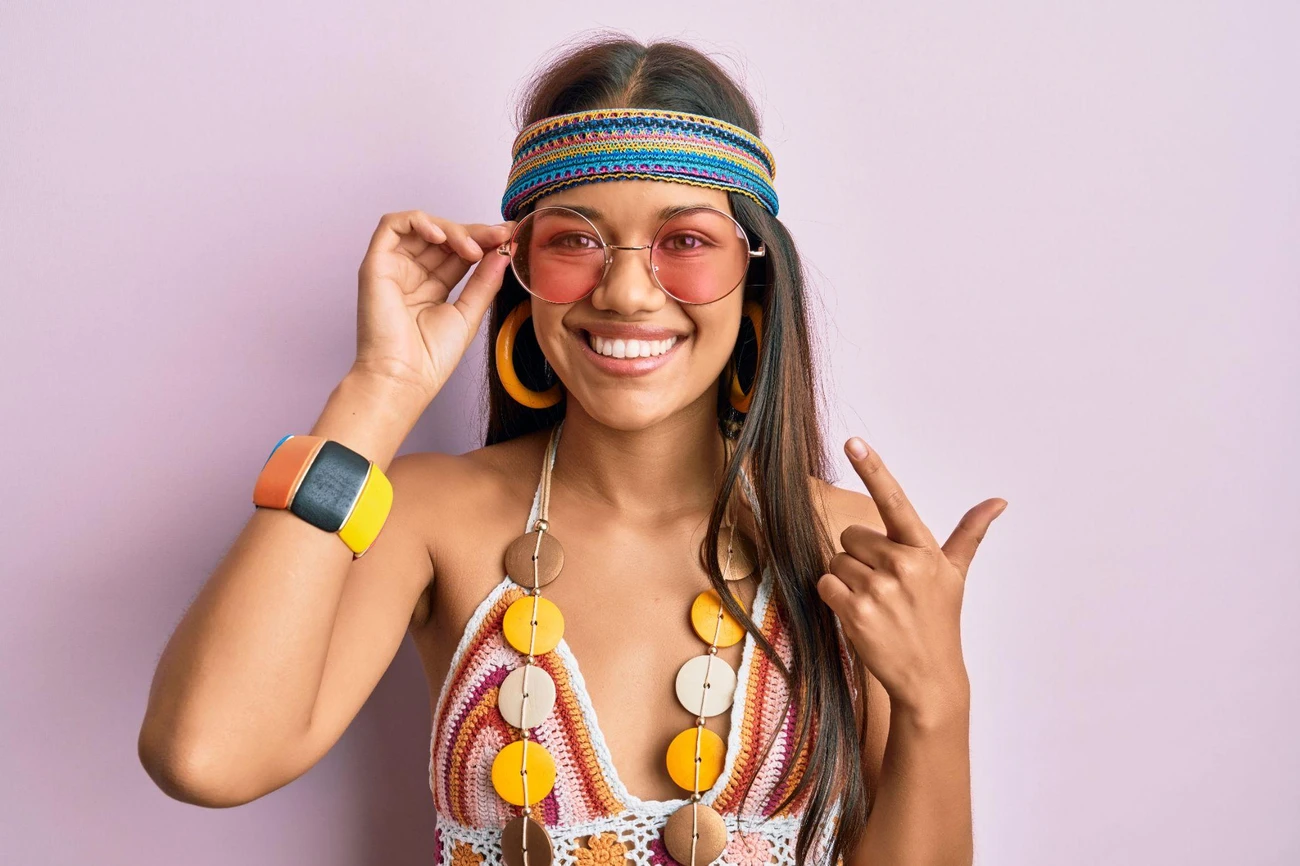
Now that slow fashion is under the effect of a snowball movement, it’s surprising that it was somehow started by the hippies in the 1960s. They appreciated locally grown, handmade, and pesticide-free items, and were the first to incorporate sustainable fashion into current culture. They also wore used clothing, rejecting the mass production culture that had ruled America.
The hippie fashion movement was in opposition to social standards such mass consumerism, materialism, and capitalism.
The Slow Fashion Movement, however, is greatly influenced by the Slow Food Movement which spawned a slew of “slow” movements, including slow fashion, slow cities, etc.
In 2007, the term “slow fashion” was actually coined by accident. Following the slow food movement, it was invented by Kate Fletcher of the Centre for Sustainable Fashion. Fletcher identified a need for a slower pace in the fashion sector, similar to the slow food trend. And that’s how this movement came into play. It led to a wave of change across the fashion industry in the last decade or two. A growing number of firms are rejecting the ideals of rapid fashion in favour of a more environmentally friendly approach to clothing production.
As Fletcher describes in an article in The Ecologist: “Slow fashion is about choice, information, cultural diversity and identity. Yet, critically, it is also about balance. It requires a combination of rapid imaginative change and symbolic (fashion) expression as well as durability and long-term engaging, quality products. Slow fashion supports our psychological needs (to form identity, communicate and be creative through our clothes) as well as our physical needs (to cover and protect us from extremes of climate).”
How Can You Be A Part Of The Slow Movement
We can make every season a slow fashion season by choosing what we consume and how much of it we consume. If you want to start being a more thoughtful consumer when it comes to apparel, here are a few ideas:
Think Before Shopping:
Think Before Shopping: We know running around naked is the most sustainable way of living, however, it isn’t the best feasible option. So why not keep certain things in mind before shopping like: consciously buying less and limiting your consumption, reducing the frequency of your shopping trips, opting for secondhand, thrifted, and vintage items.
Think While Shopping:
You do research about a brand when you buy a car, right? You don’t think of the present, you consider the car’s durability and features for the next 10-15 years; then why not do the same while buying clothes? Keep in mind that your money is a vote for the planet you want, therefore, consider these things while shopping:
- Fast fashion brands should be avoided.
- To prevent greenwashing, do your homework, look for brand transparency (do they tell you everything you need to know about their raw materials, manufacturing, supply chain, pricing, and so on?)
- Look for brands and products that are both ethical and sustainable.
- Smaller local brands/businesses should be considered.
- Invest in higher-quality items that will last longer.
- Choose timeless patterns and styles above seasonal trends
After You’ve Shopped:
Love the things that you own. You can appreciate those few things more if you have less. Don’t treat anything as if it were a toy. To keep products out of landfills, think about the product life cycle (repair, donate, upcycle, etc)
6 Slow Fashion Brands In India
There are a few international slow fashion brands that have been deemed as the torchbearers of slow movement in the industry like Stella McCartney, Vivienne Westwood, Misha Nonoo, Pact, Everlane to name a few. However, Indian brands are nowhere behind when it comes to embracing conscious fashion.
A new generation of slow fashion labels have emerged. These conscious designers, who are part of the sustainable fashion movement, encourage environmental and social responsibility.
Chiaroscuro
Chiaroscuro is a workshop initiative established in New Delhi that specialises in creating leather artefacts while utilising the expertise of India’s famous artisans.
They design and manufacture stunning pure leather bags and accessories. Furthermore, each of our masterpieces is handcrafted by a single artist.
Ka Sha
While studying in London, Karishma Shahani Khan created a clothing line out of plastic gunny bags, ancient chandeliers, and second-hand sneakers. Her Ka Sha line, which is now based in Pune, explores natural fabrics and collaborates with craftsmen all around the country. Upcycling abandoned clothing is the theme of her zero-waste “Heart to Haat” collection.
The Jodi Life

The Jodi Life is frequently mentioned in articles on the top sustainable fashion labels in India, which are both environmentally friendly and extremely fashionable. The Jodi Life has become a unanimous home-grown favourite for followers of ecologically aware companies in India thanks to their concentration on 100 percent natural Indian textiles combined with the traditional art of Indian hand-block printing.
Chola The Label
Chola The sustainable fashion brand’s attempts to prevent environmental damage as a result of garment manufacturing are aided by the Label’s simple shapes and easy-to-wear cuts. They achieve this by producing all of their clothing entirely from post-consumer waste textiles and recovered cotton. Their apparel line is both inexpensive and comfortable, and it contributes significantly to India’s sustainable fashion movement.
Doodlage

Doodlage is a quirky and very ethical apparel label dedicated entirely to the zero-waste objective. Doodlage has been replicating age-old Indian traditions of changing and restoring existing goods with patchwork-like features, rather than the fast-fashion concept of replacing your garments every two weeks, by employing scrap textiles and materials and embracing ethical design and production.
Maati
Maati is an Udaipur-based ethical fashion label started by Neha Kabra. Maati is motivated by the people and absorbs a lot of local flavour. It aims to accommodate people of various shapes and sizes. The clothing is adaptable, skin-friendly, and environmentally beneficial. It also has a zero-waste strategy, which includes upcycling yarns, using natural dyes, and collaborating with local artisans from all across the country.
In conclusion, even if we understand the concept of a sustainable lifestyle, to adopt slow fashion is a deliberate effort and a collective consciousness of getting out of the ‘in trend’ attitude. Because let’s be honest, fashion trends are so overwhelming, we’re drawn towards them instantly. It is true that despite the negative consequences, we love fashion fads that are easily accessible and affordable. As a result, accepting change becomes difficult.
However, slow fashion is the way things are going to be in the future. And we need to think ahead of the curve, working to figure out how to get there through collaboration and creativity among designers, manufacturers, and end users.
Slow fashion is more expensive than trendy clothing, but upcycling, reusing, and quality over quantity module might just make it possible.
Where Slow Fashion Stands Now
Since this was first written, slow fashion has moved from a niche idea to a mainstream conversation. Resale, rental and thrift platforms have grown fast, including a lively second-hand and handloom scene online in India; shoppers increasingly ask brands to prove their claims; and regulators, led by the European Union, are beginning to hold fast-fashion companies responsible for the waste they create. The direction of travel is clear, even if the industry still has a long way to go.
Where This Fits in a Design Education
Sustainability is no longer optional in how fashion is taught. At UDIT (formerly IIAD), the B.Des Fashion Design course builds material awareness, conscious design and slow-fashion thinking into the studio, so students learn to design for longevity rather than landfill.
Frequently Asked Questions
1. What is slow fashion?
Slow fashion is an approach to making and buying clothes that prioritises quality, longevity and lower consumption over the fast, cheap, trend-driven cycle of fast fashion. It looks at the full process behind a garment, from materials and labour to how long it will last.
2. What is the difference between slow, sustainable and ethical fashion?
They overlap but are not identical. Sustainable fashion focuses on environmental impact; ethical fashion focuses on people and animals, such as fair pay and no forced or child labour; and slow fashion focuses on consuming and producing less overall. Together they are often called conscious fashion.
3. Who coined the term slow fashion?
The term was coined in 2007 by Kate Fletcher of the Centre for Sustainable Fashion, inspired by the slow food movement, to argue for a slower, more considered pace in the industry.
4. Is slow fashion more expensive?
Often yes, because fair wages, better materials and smaller production runs cost more. But the higher quality means garments last longer, so the cost per wear can work out lower than cheap fast fashion that wears out quickly.
Time’s Up For Fast Fashion!
Researchers and fashion experts have been calling for a radical makeover of the fashion industry, which accounts for an estimated 8 to 10 percent of global carbon emissions. The fast fashion paradigm, which is based on low-cost production, frequent consumption, and short-term garment use, is contributing to environmental degradation.
Let’s state it one more time: the fashion industry is among the most polluting in the world, and if it still doesn’t ring a bell, open your wardrobe and count the number of clothes you haven’t used in the last two months. Maybe that will make you realise that you too, are a part of the problem.
Let’s embrace slow fashion and change the world, one garment at a time!
About the Author
Pratik Aswal is a brand and content specialist with over eight years of experience writing and building campaigns across fashion, lifestyle and entertainment. He holds a Post Graduate Diploma in Fashion Communication from the Asian Academy of Film and Television, and a Bachelor’s in Journalism and Mass Communication from Doon University, Dehradun. He has written and led branded content for several of India’s best-known media and lifestyle platforms, including Cosmopolitan India, iDiva and MensXP at Times Internet, and ScoopWhoop, where he led the brand-writing team. He currently works in brand marketing and creative strategy at Zupee. His work sits where fashion, storytelling and consumer culture meet, which is the lens he brings to writing about clothing and design.
More things to read