Article
Deepali Chauhan
25/08/2026
Overview:
Fashion design is a dynamic career that merges creativity, technical expertise, and strategic thinking. As the fashion industry continues to evolve, self-assessment plays a crucial role in staying ahead. This guide explores essential skills, including creative problem-solving, technical design proficiency, and market awareness, while emphasizing the importance of soft skills like communication and time management.
By leveraging tools for skill gap analysis, enhancing portfolios, and understanding sustainability trends, designers can align their abilities with industry demands. Whether pursuing a diploma in fashion designing or refining existing skills, this roadmap highlights actionable strategies for growth in an ever-competitive field.
Table of contents
- Fashion-designer skills framework
- Understanding Core Fashion Designer Skills
- Soft Skills for Fashion Designers
- Market and Industry Awareness Around Fashion Design
- Roadmap for a Career in Fashion Design
Continuous skill evaluation is essential for success in the dynamic world of fashion design. The industry thrives on innovation, and staying competitive requires a proactive approach to assessing your creativity, technical expertise and business acumen. Whether you’re just discovering fashion design or are an experienced professional, self-assessment allows you to adapt to changing trends and technologies, ensuring your designs remain fresh and relevant.
This guide offers a roadmap to personal and professional growth, helping you identify your strengths and areas for improvement. It covers everything from honing basic design skills and exploring top-rated fashion design books to advancing your qualifications through fashion design colleges like a diploma or Bachelors in Fashion Design. By focusing on creativity, communication and market awareness, you can align your skill set with the demands of the competitive fashion industry.
Whether you aim to refine your portfolio, master fashion designer qualifications, or explore advanced fashion design courses, this self-assessment checklist will help you to build a fulfilling career. With actionable steps and resources, it guides you to unlock your full potential, paving the way for success in the glamorous and ever-evolving fashion design landscape.
Fashion-designer skills framework
Skill |
Beginner |
Intermediate |
Job-ready |
Fashion illustration |
Can draw basic silhouettes |
Can communicate garment details |
Can produce presentation + technical sketches |
Pattern making |
Understands basic blocks |
Can modify patterns |
Can develop production-ready patterns |
CAD |
Basic tool familiarity |
Creates complete garments |
Creates production-ready 2D/3D workflows |
Fabric knowledge |
Knows common fabrics |
Understands behaviour |
Selects fabric based on design, cost and construction |
Trend research |
Follows trends |
Analyses trends |
Converts signals into commercially relevant concepts |
Understanding Core Fashion Designer Skills
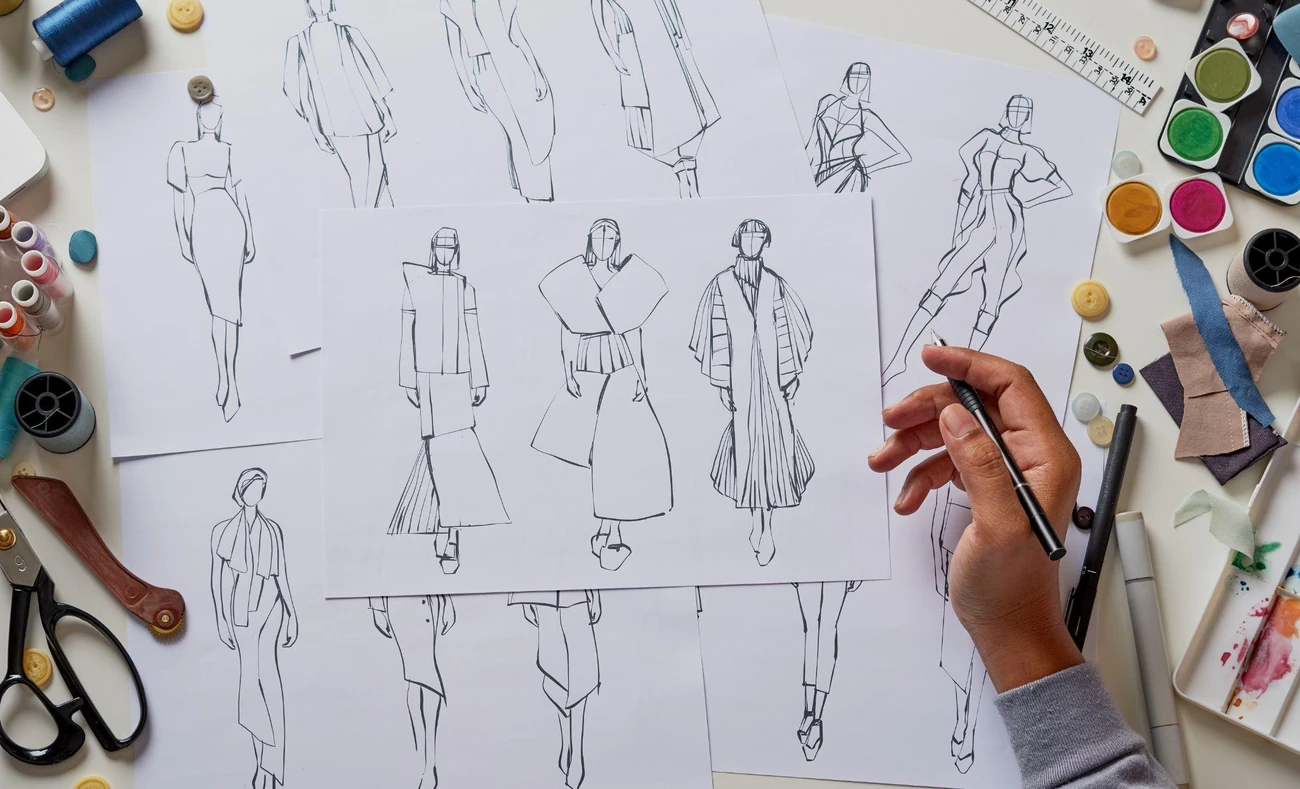
As a fashion designer, building a strong foundation in both creative and technical skills is essential for success. Self-assessment helps identify your strengths and areas to improve, paving the way for continuous growth and innovation.
Creative Fundamentals:
Your creative abilities shape your design perspective and help you develop a recognisable point of view.
Creativity Assessment
Creativity is the most important fashion designer skill, so start by asking where your ideas really come from. Look at a recent design and be honest. Is the concept truly yours, or is it last season’s runway copied into your sketchbook? Take Maria Grazia Chiuri’s Dior Spring/Summer 2020 couture collection as an example. It mixed nature themes with detailed craft, using floral embroidery, earthy tones and flowing shapes, and the result felt modern but timeless. Strong ideas like this come from a clear point of view, not just current trends. When you review your work, look for the thread that makes it recognisable as yours. If you cannot find it, that is the first skill to build.
Design Thinking Evaluation
Fashion design is not just about making beautiful clothes. It is about solving real problems for the person who wears them. Think about your last project. Did you start from the wearer’s need, or from a silhouette you already liked? Issey Miyake is a good example of design thinking in action. His Pleats Please line used a special pleating process to create clothes that were easy to wear, easy to care for and still striking to look at. Design thinking means balancing three things: comfort, style and new ideas. The best designs are wearable and memorable at the same time. Ask yourself which one you drop first when time runs out.
Innovative Problem-Solving Skills
Problem-solving is a daily fashion design skill, not a rare one. Fabric runs out. Construction goes wrong. Deadlines move. Marine Serre shows how this skill works in practice. She builds collections from recycled and deadstock fabrics, turning leftover material into finished designs instead of seeing it as a limit. So when a plan breaks, notice where your mind goes first. Do you look for a creative fix, or list the reasons it cannot be done? A designer facing a fabric shortage might upcycle what is available or try a new draping technique. Your answer tells you how strong this skill really is.
Fashion Design Qualification
Your fashion design qualification shapes the tools you reach for first. A diploma in fashion designing often focuses on hands-on garment construction. A Bachelor of Fashion Design may cover fashion history and global trends. A BSc may lean more technical. Each path makes you strong in some areas and weaker in others. Alexander McQueen, for example, trained at Central Saint Martins, and that grounding in cut and construction shaped the tailoring he became known for. The real question is simple. Did your course actually help you express your ideas? If you notice gaps, a short specialised course or focused self-study can often close them faster than a full new degree.
Technical Competencies:
Technical expertise bridges the gap between your vision and reality. Evaluate these critical skills:
Basic Design Skills
Every finished garment starts with three basic design skills: sketching, pattern-making and fabric handling. A weakness in any one shows up in the final piece. Cristobal Balenciaga is the classic example here. He was such a master of cut and construction that other designers called him the finest of them all, and his skill with the pattern is what gave his garments their shape. Sketching turns your idea into something you can see. Pattern-making makes it fit a real body. Fabric handling decides how the garment moves, drapes and feels. Which of the three would you least want to be tested on tomorrow? That is the one to practise first.
Digital Design Proficiency
Digital design tools are now part of everyday fashion design work. With CAD (Computer-Aided Design) software such as CLO 3D and Browzwear, you can drape a garment on a virtual mannequin and check the fit before you cut any fabric. Many brands now build 2D flats, model in 3D, and test colour palettes on screen before sampling. This saves time and turns concepts into market-ready designs faster. The real test is not whether you have opened the software once. It is whether you would choose it under a tight deadline instead of going back to paper.
Technical Sketching Abilities
A technical sketch is what turns your design into a garment a factory can actually make. These flats carry the details a production team needs: measurements, stitching, seam finishes, pocket placement, fabric notes, and both front and back views. Here is the honest test. If a manufacturer cannot build from your technical drawing without calling you to explain it, the sketch is not finished yet. Clear technical sketching is a core fashion designer skill because it removes guesswork from production.
Software Mastery
Two design software tools carry most of a designer’s digital day. Adobe Illustrator handles vectors, repeat prints and pattern work. Adobe Photoshop handles image editing, mood boards and fine detail. Knowing these tools exist is not enough. What matters is how fast you can work in them when a client wants three versions by morning. If that thought makes you pause, you have found a clear skill gap. The good news is that it is easy to fix with a short run of tutorials or a focused workshop.
Do You Need Drawing Skills to Be a Fashion Designer?
A common worry among aspiring designers is whether their drawing is good enough. The honest answer is that drawing helps, but it is not a barrier. The idea that only exceptional artists can design belongs to an earlier era; communicating an idea clearly matters more than a perfect sketch.
Modern tools have changed what is required. 3D design software such as CLO 3D, Browzwear and Optitex produces accurate visualisations; digital mood boards on Milanote, Pinterest and Adobe Creative Cloud have replaced sketchbooks; and AI tools now generate early concepts and virtual prototypes. Together these let you express ideas without freehand mastery. There are also strong fashion careers that rely less on hand-drawing, such as technical design, fashion merchandising and product development. If your drawing is weak you can improve it, and most design courses teach it from the basics, but a lack of drawing skill does not mean a lack of design ability.
Soft Skills for Fashion Designers
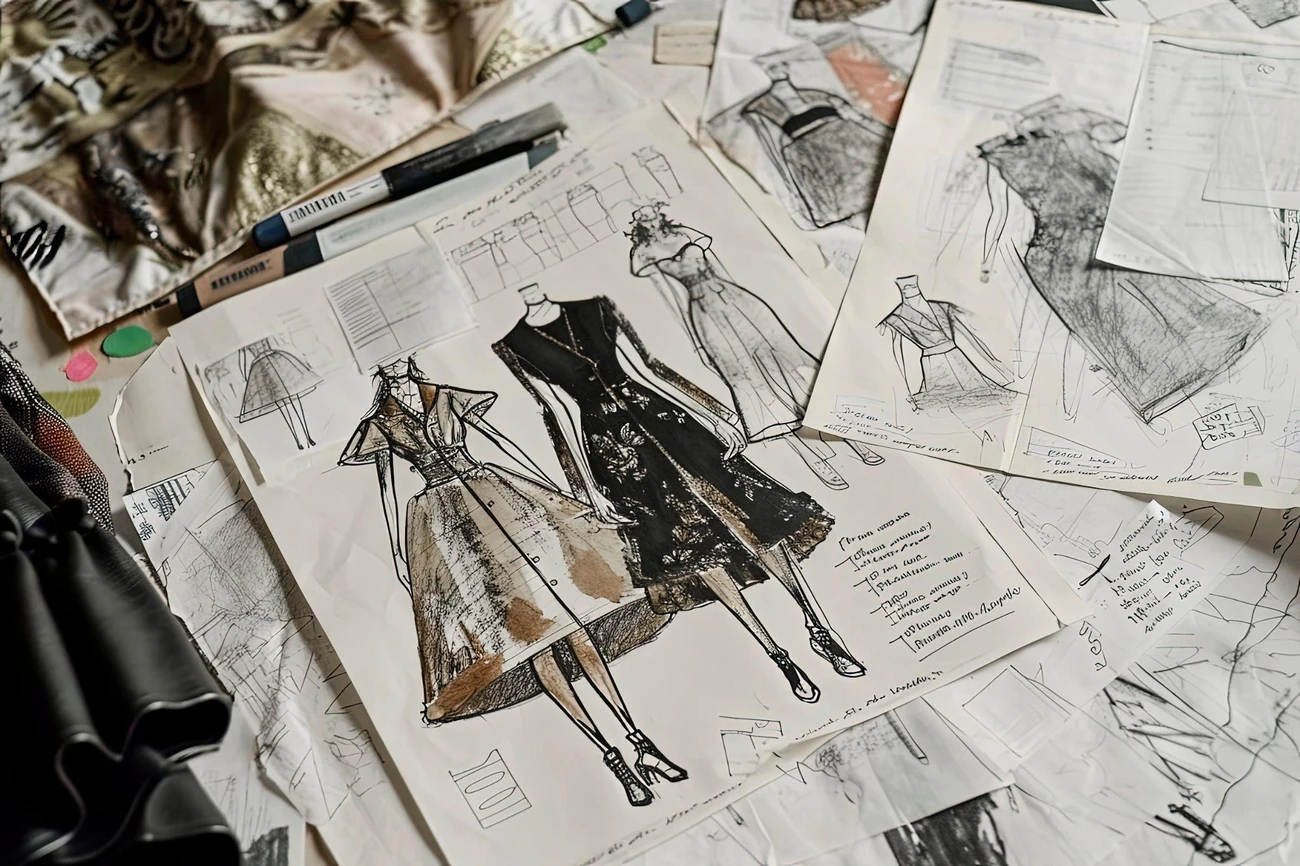
In the fashion industry, where collaboration and client relationships are key, soft skills can set you apart as a designer. These abilities go beyond technical expertise, helping you articulate your vision, work effectively with others, and navigate professional challenges seamlessly.
Communication Skills:
Effective communication ensures your creative ideas are clearly understood by clients, teams and stakeholders. Let’s break this down:
- Presentation Abilities: Being able to confidently present your designs, whether in a boardroom, on stage, or in a portfolio review, is vital. Practice structuring your presentations to highlight the story, purpose, and unique selling points of your designs.
- Client Interaction Skills: Engaging with clients is a blend of active listening, empathy, and clear communication. Assess how well you interpret client needs and translate their feedback into actionable design improvements while maintaining your creative identity.
- Collaborative Communication: Fashion design often involves working closely with pattern makers, production teams, marketers, and other designers. Focus on clear, respectful, and efficient communication to ensure everyone is aligned and projects run smoothly.
- Fashion Communication and Visual Storytelling: Fashion communication has emerged as a vital skill for designers, bridging the gap between creativity and audience engagement. Designers proficient in fashion photography and visual storytelling can effectively craft compelling narratives around their collections. Whether curating an Instagram feed, creating engaging campaigns, or collaborating with fashion influencers, leveraging these skills ensures relevance in an increasingly digital fashion ecosystem.
Professional Attributes for Fashion Designers :
Soft skills also include professional attributes that help you manage your responsibilities and grow in your career:
- Time Management: The fast-paced nature of fashion requires strong organisational skills. Review how well you plan your day, prioritise tasks, and meet deadlines, especially during peak seasons or just before a fashion show.
- Project Execution: A successful fashion designer takes concepts from the sketchpad to the runway or retail shelf. Reflect on your ability to oversee all stages of production, coordinate with teams, and ensure quality control at every step.
- Stress Handling: The fashion world is known for its high-pressure environment. Assess how well you stay composed under stress, manage last-minute changes, and maintain creativity even during challenging times. Techniques like mindfulness or time-blocking can help improve this skill.
- Professional Networking: Building and maintaining connections in the fashion industry is essential for long-term success. Evaluate your efforts to attend industry events, collaborate with other professionals, and stay active on platforms like LinkedIn or Instagram. Networking can open doors to mentorships, partnerships, and career opportunities.
Market and Industry Awareness Around Fashion Design
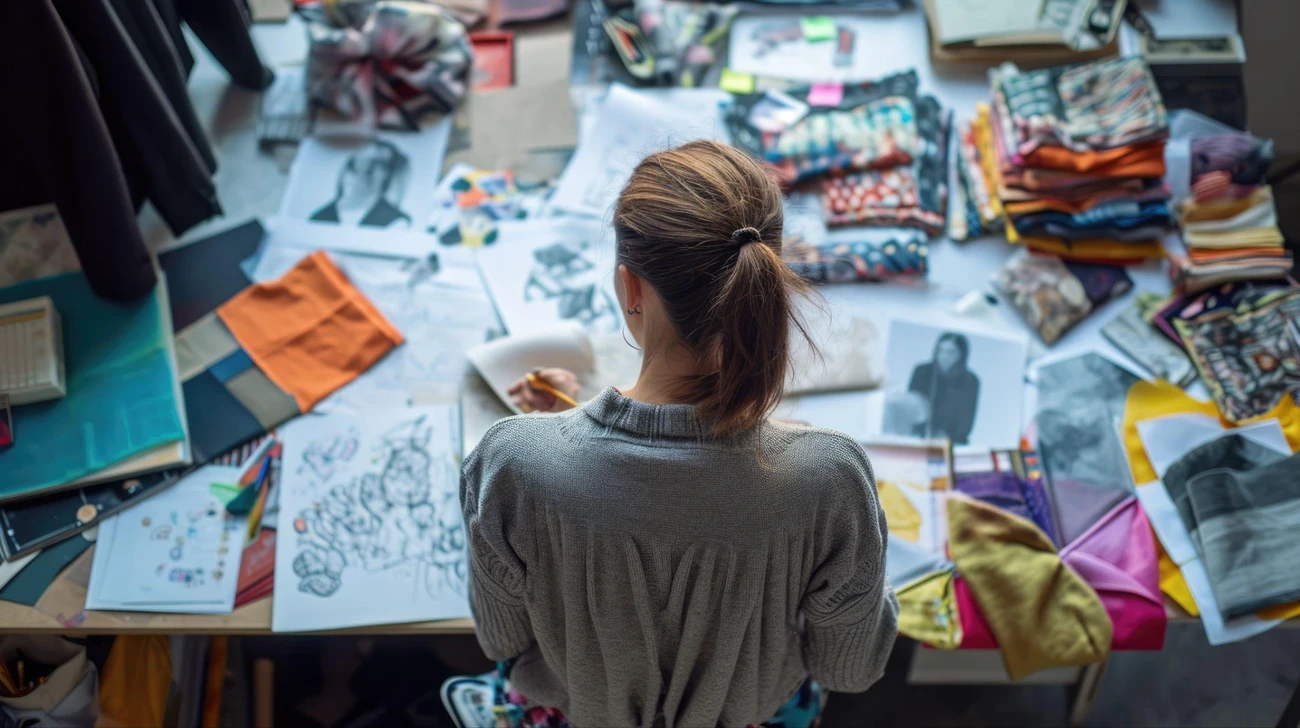
To thrive in the fashion industry, a designer must possess a deep understanding of market trends and business dynamics. Staying informed about industry trends and honing your business acumen ensures that your designs are not only creative but also relevant and marketable.
Fashion Trends Awareness
Grasping the pulse of the industry is critical to creating designs that resonate with audiences. Key areas to assess include:
Fashion Trend Analysis
Following trends and forecasting trends are two different fashion design skills. Following tells you what sold last season. Forecasting tells you what to design now. Professional designers often use trend forecasting services like WGSN, along with social media analytics, to read where consumer demand is heading. For example, you might spot that oversized silhouettes are returning, or that shoppers want more comfort, before the market catches up. Ask yourself one thing. When you plan a collection, are you reacting to the present or planning for what comes next?
Global Design Perspective
A global design perspective helps you create fashion that works across different markets. Style is not the same everywhere. Think of Tokyo street style, Scandinavian minimalism and Parisian luxury. Each one is its own design language. Rahul Mishra is a strong example of a designer who bridges these worlds. His work uses Indian handcraft and embroidery, yet it shows on the Paris couture stage and appeals to a global audience. The skill is understanding how fashion trends change from region to region, and how those trends shape local taste. Which regions do you really understand, and which do you only think you do?
Cultural Design Understanding
Fashion and culture are closely linked, so cultural understanding is an important design skill. Sabyasachi Mukherjee shows how to do this well. He built a global brand by reviving traditional Indian textiles, crafts and handwork, and by treating that heritage with real respect. Taking traditional Indian sari fabric into a modern evening gown can be a beautiful tribute when it is done with the same understanding of what the fabric means. Done carelessly, it can cause offence. Use one simple test before you design. Would the community you are drawing from see your work as respect?
Sustainability Awareness
Sustainability is now a buying decision, not just a marketing message. Shoppers ask where the fabric came from and how it was made, and they act on the answer. Stella McCartney is one of the best-known examples. She built her whole brand around sustainable and cruelty-free fashion, avoiding leather and fur long before it became common. So ask whether sustainability is built into your designs from the start or added at the end. This covers eco-friendly materials, ethical production, less waste, organic fabrics and upcycling. Designers who treat sustainable fashion as a real design goal gain a clear advantage as the industry moves this way.
Consumer Behaviour Understanding
Understanding consumer behaviour helps you design for a real market, not just a mood board. Ask why someone actually buys a garment. Is it status, comfort, values or price? Uniqlo is a useful example. It grew by reading the shift towards comfort and function, then built its LifeWear range of simple, practical basics around that demand. The skill is spotting changes in what people want before they say it out loud. When you can predict how buyers will react and understand the reason behind the purchase, you can tailor your designs to the right audience. How well do you really know the person you design for?
Digital Fashion Integration
Digital fashion is a growing part of how clothes are made and sold. Virtual collections, AR try-ons and digital-only garments are no longer rare experiments. Balenciaga is a clear example. It launched a full collection inside a video game called Afterworld instead of a normal runway show, reaching a young, online audience. As augmented reality and virtual tools become normal, ask how ready your work is for a product that may never be physically sewn. You do not have to go fully digital, but knowing where you stand is part of staying current. Are you building for this shift, or waiting to see if it lasts?
Fashion Business Acumen
Fashion design goes beyond creativity; it requires a solid grasp of business fundamentals to succeed. Key competencies to evaluate include:
- Marketing Knowledge: Assess how well you understand marketing strategies, from social media campaigns to retail merchandising. Can you effectively promote your designs and reach your target audience?
- Basic Entrepreneurial Skills: Whether you are starting your own label or managing a project, entrepreneurial skills like budgeting, team leadership, and strategic planning are crucial. Evaluate your ability to manage resources and risks effectively.
- Brand Understanding: Reflect on your knowledge of branding principles, including how to create a strong brand identity that aligns with your designs and appeals to your audience.
- Commercial Design Thinking: Analyse your ability to balance creativity with market demands. Are your designs both innovative and commercially viable, ensuring profitability while standing out in a competitive market?
By staying attuned to market dynamics and building business acumen, you can bridge the gap between creativity and commerce, ensuring your designs not only make a statement but also achieve commercial success.
Roadmap for a Career in Fashion Design
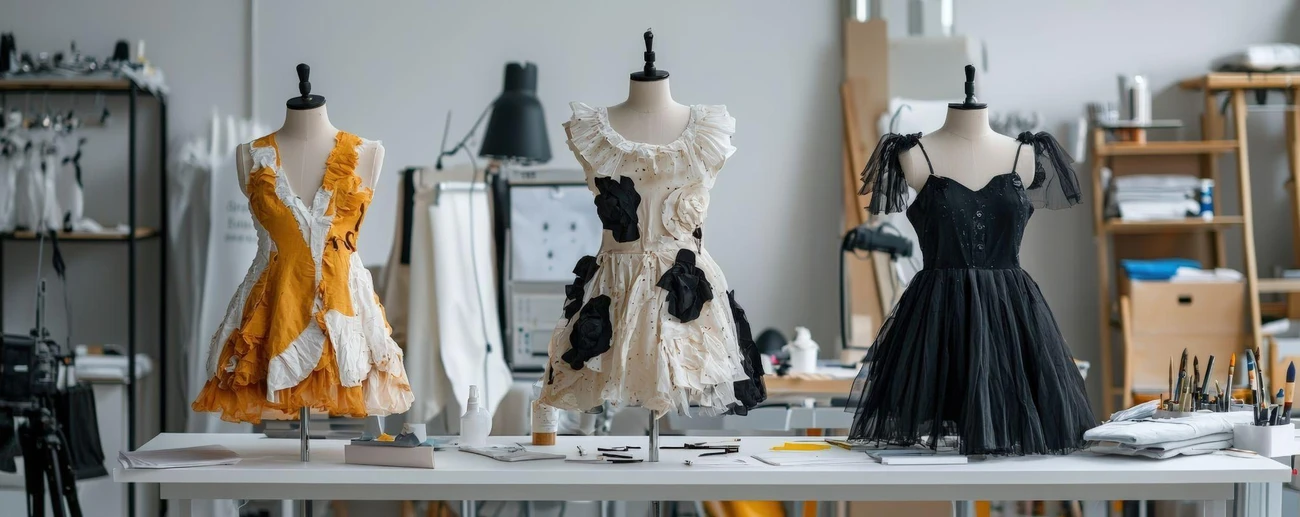
Building a successful career in fashion design requires a structured approach to personal growth, skill refinement, and professional development. This roadmap will guide you through assessing your skills, bridging gaps, and positioning yourself as a standout professional in the competitive fashion industry.
Skill Gap Analysis in Fashion Design
Identifying and addressing skill gaps is the foundation of professional growth. Here’s how to approach it:
- Self-Assessment Tools: Use tools like SWOT analysis (Strengths, Weaknesses, Opportunities, Threats) or online assessment platforms to evaluate your current skills. Assess your creative, technical, and business capabilities against industry standards.
- Skill Development Strategies: Create a targeted plan to address your gaps. For instance, if you lack proficiency in digital design, consider enrolling in specialised fashion design courses or certifications focused on CAD software.
- Learning Resources: Leverage resources such as fashion design books, online tutorials and workshops. Explore advanced programmes like a diploma in fashion designing or a Bachelor of Fashion Design from a fashion design college to strengthen your qualifications.
- Continuous Improvement Plan: Growth is ongoing in fashion design. Set short- and long-term goals, track progress and stay updated with trends through seminars, industry events and networking.
Fashion Design Portfolio Development
Your portfolio is a visual representation of your skills and style, making it a critical tool for career advancement.
- Portfolio Evaluation: Regularly review and update your portfolio to ensure it reflects your latest work and aligns with industry demands. Focus on diversity by including sketches, digital designs and completed projects.
- Skill Showcase Techniques: Highlight your strengths by presenting projects that demonstrate your creativity, technical expertise and ability to meet client requirements. Tailor your portfolio for different roles or audiences.
- Personal Branding: Develop a unique personal brand that communicates your design philosophy, aesthetic, and values. Use platforms like Instagram, Behance, or a personal website to showcase your work and attract potential clients or employers.
- Professional Positioning: Position yourself strategically in the industry by targeting specific niches or markets. For instance, if your interest lies in sustainable fashion, emphasise eco-friendly designs and certifications in your portfolio.
How UDIT Builds These Skills
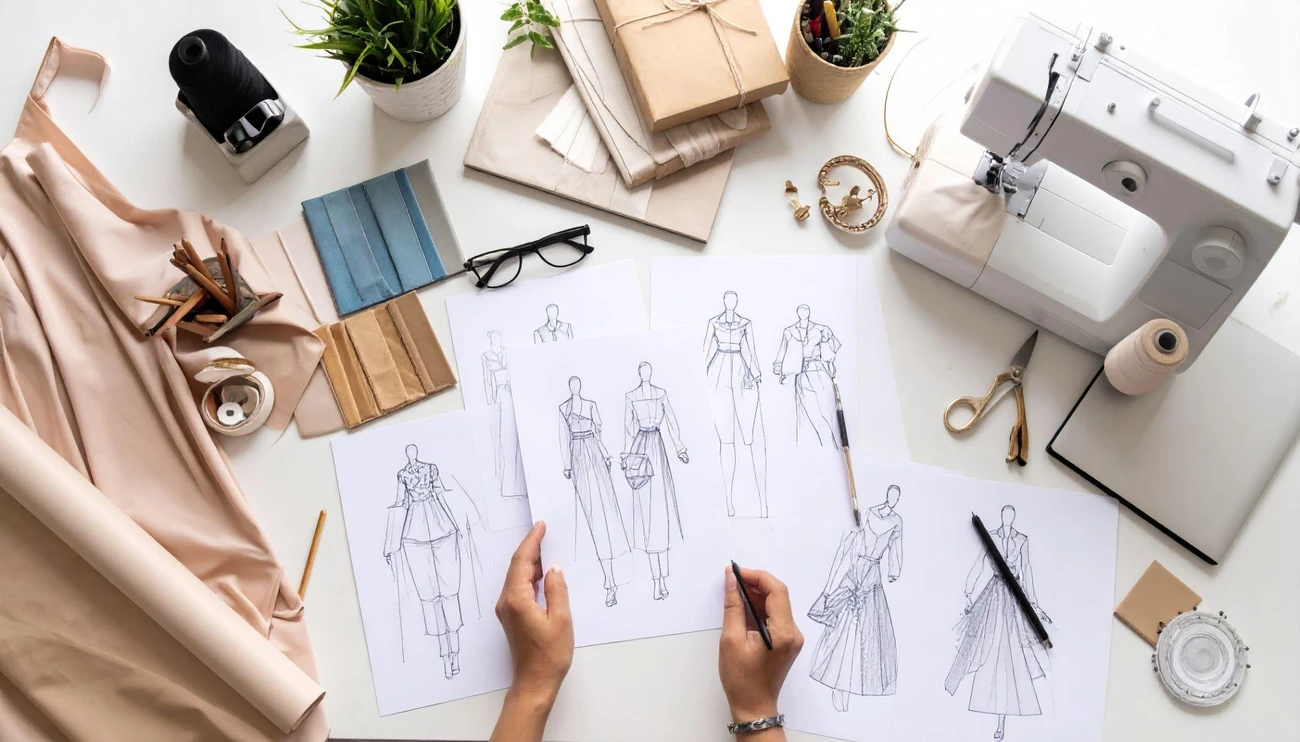
UDIT builds these skills through a make-first approach. From the first year, students learn fashion by making it: draping, cutting, constructing and experimenting, not just sketching. Year 1 builds the grammar of design (drawing, colour, materials and digital tools like Adobe Illustrator and Photoshop); Year 2 adds pattern-making, garment construction and a personal point of view; Year 3 takes concept to market through live industry projects, advanced construction and craft-cluster immersions; and Year 4 culminates in a graduate collection shown at a professional runway showcase, with a curated portfolio. Digital fluency (Adobe, CLO 3D and fashion CAD, alongside AI) and industry immersion (live projects, internships, craft clusters and masterclasses every semester) run throughout.
The results show in student work. For example, Naseeb Sihag’s graduate collection Gharsa, rooted in rural memories and village life, was a finalist at the World of Wearable Arts. As UDIT B.Des Fashion Design graduate Vanshika Jain, now an Assistant Designer at Twinkle Hanspal, puts it: “This place taught me that creativity begins when you challenge the familiar. It pushed me to experiment fearlessly, embrace the chaos of the process, and discover my own design voice.”
Explore the B.Des Fashion Design programme at UDIT.
FAQs on Fashion Designer Skills
1. Do you need drawing skills to be a fashion designer?
Drawing helps, but it is a skill you can learn and not a barrier to entry. Many designers use digital tools such as CLO 3D, CAD and fashion croquis instead of freehand sketching. Design thinking and clear communication matter most.
2. What are the most important skills for a fashion designer?
A blend of creative skills (design thinking, originality), technical skills (sketching, pattern-making, software), soft skills (communication, time management) and market awareness (trends, sustainability, business sense).
3. What soft skills do fashion designers need?
Communication, presentation, collaboration, time management, stress handling and professional networking, since fashion design is highly collaborative and client-facing.
4. How can I assess my own fashion design skills?
Use a self-assessment checklist across creative, technical, soft and business skills, do a skill-gap analysis (for example a SWOT), and build a portfolio that shows your strengths.
About the Author
Deepali Chauhan spent two and a half years as the content writer for the Indian Institute of Art and Design, now UDIT, where she authored the institute’s fashion, interior, and design articles along with its student and programme features. That work gave her first-hand familiarity with how these design programmes teach and what students actually build in the studio. She holds an MSc in Marketing Management from Grenoble Ecole de Management and a Bachelor’s in Communication and Journalism, and has completed the Inside LVMH programme on the fashion and luxury industry. She now works as a Marketing Communications Specialist at Schneider Electric, drawing on a background in brand storytelling, content strategy, and SEO built across fashion, beauty, and lifestyle brands.
More things to read