Article
Harsh Gautam
28/09/2026
Social media shapes what we wear by changing how trends start, spread and sell. Platforms like Instagram, TikTok and YouTube let almost anyone set a trend, shrink the trend cycle from seasons to days, and turn a scroll into a purchase through in-app shopping. That has made fashion faster, more accessible and more participatory, but also more disposable. This guide covers the main shifts and best practices, and, updated for 2026, what social commerce, creators and dupe culture mean now.
Table of Content:
- 5 WAYS SOCIAL MEDIA CHANGED THE FASHION INDUSTRY
- BENEFITS OF USING SOCIAL MEDIA IN FASHION INDUSTRY
- 4 Best Practices of Social Media Marketing for Fashion Brands
- How Social Media Shapes Fashion in 2026
- Social Media and Fashion in India
- The Flip Side: What Social Media Costs Fashion
- Where This Fits in a Design Education
- Frequently Asked Questions
Fast fashion refers to the trendy, inexpensive clothing that imitates designs from the catwalk or celebrity culture and is mass-produced as fast as possible to make the designs conveniently available to consumers. Social media is an influencing force shaping the fashion and has kickstarted a drastic evolution in fast fashion. Platforms such as Instagram, TikTok and Youtube, fashion influencers can reach thousands, even millions of people who want to stay relevant, post-able and just as cool from the moment they wake up to the moment they go to bed. The impact of social media has revolutionised our lives and its rapid rise has changed the game of Fashion Industry – especially Fast Fashion.
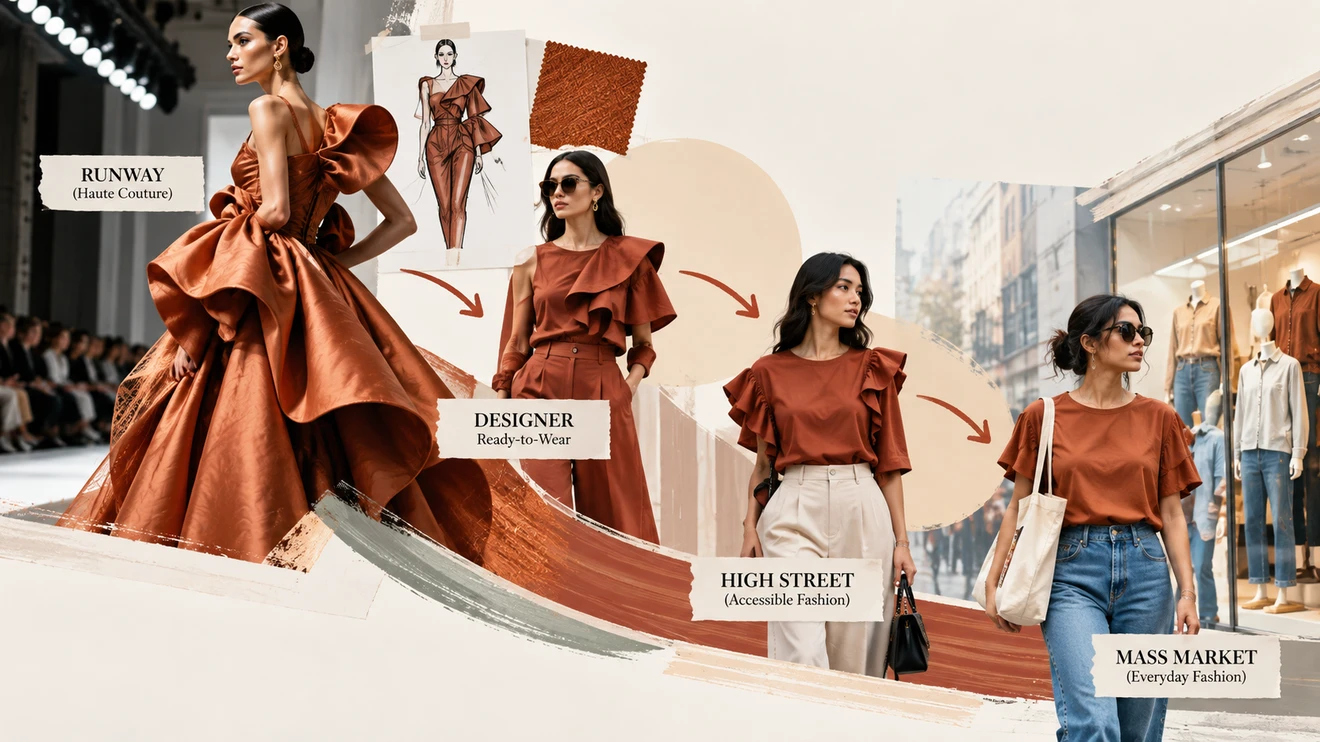
What’s in trend, or what was in fashion was circulated through people via magazines and the runway was dictated by fashion editors and designers. But social media has levelled up the gear by bringing in a new, younger crowd. The trendiest things usually go out of style in less than three months and therefore fast fashionistas do not invest in clothing that lasts a lifetime. This very well defines how consumers treat the clothing they buy. Fashion is more interactive and fluid than ever before – changing the way fashion trends connect with their core audience. Social media has quickly revolutionised the fashion industry more than any other industry. Speaking of which, fashion used to be a one sided industry where people used to consume ideas and inspiration by flipping through the magazine pages. Consumers didn’t have a say in what they were consuming, they could only opt out of trends that they didn’t like. Social media has reframed this structure completely, allowing users not to just choose their fashion and style trends but to also contribute to it.
5 WAYS SOCIAL MEDIA CHANGED THE FASHION INDUSTRY
The rise of Fashion Influencers
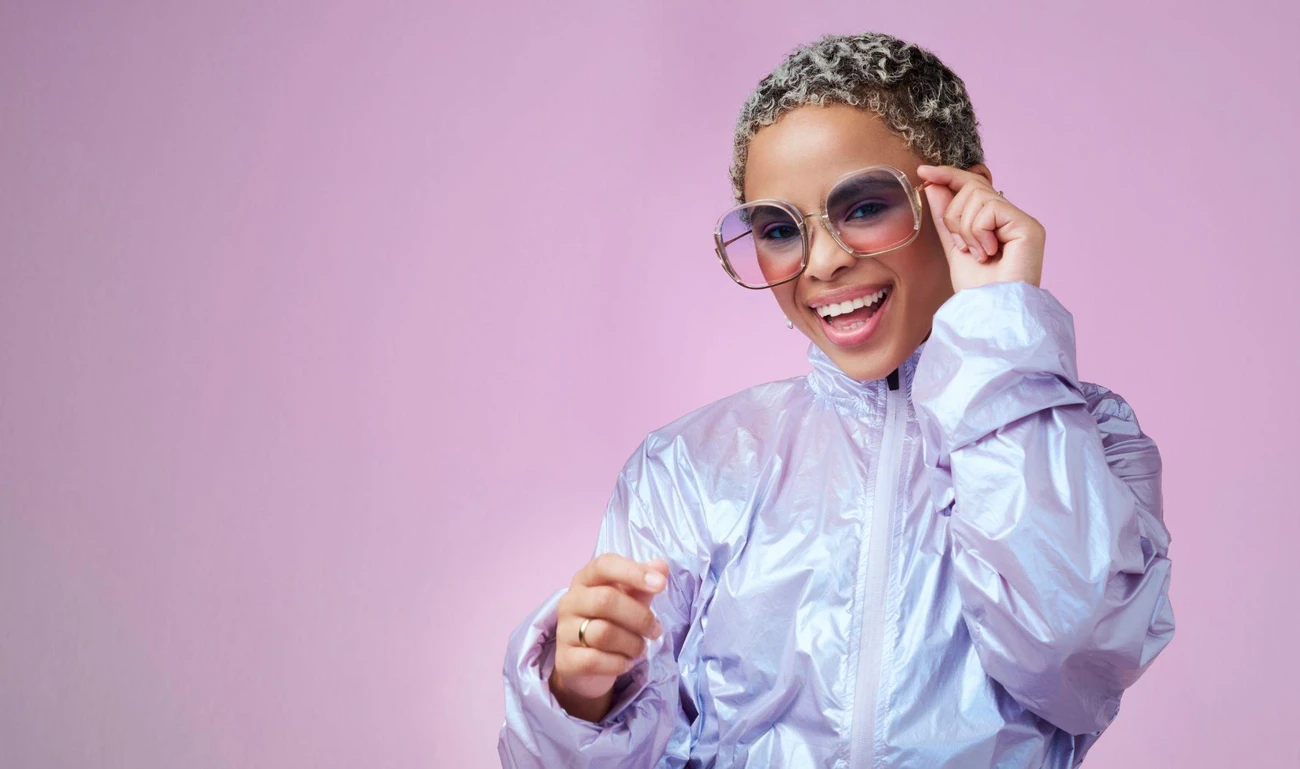
The rapid growth of social media makes it easier for people to cultivate their own brands. People start with an account and after some time (and a lot of effort) they gain a decent following, and boom! It’s the beginning of building a fashion community. Brands start approaching influencers for collaborations and endorsements, and here making a difference in fashion choices.
A new Marketing Frontier
Social media marketing is a two way process. Instagram stories, TikTok challenges, YouTube videos and so on have become a home to creative content used by Influencers. Social media is a powerful way for businesses of all sizes to reach prospects and customers. Great marketing on social media can bring remarkable success to your business, creating devoted brand advocates and even driving leads and sales.
New Pathways, New Circulations
Social media provides new pathways for trends and styles to circulate. An influencer or a celebrity wears a pair of animal-print trousers with a crop top in a video for their instagram story. It’s seen by one, two, 10,000 people and the next thing you know it’s a new trend. It goes viral all over the globe in a matter of hours. Remember e-girl fashion trends? That’s the perfect example as it emerged in 2019 and went viral soon after. Heavily inspired by K-pop and anime, a typical e-girl look involves igari-style makeup, facial stamps and winged eyeliner. Most e-girls also switch up their hair colour: lime green, blue, or pink tresses, a regular sight on TikTok.
Innovative Media
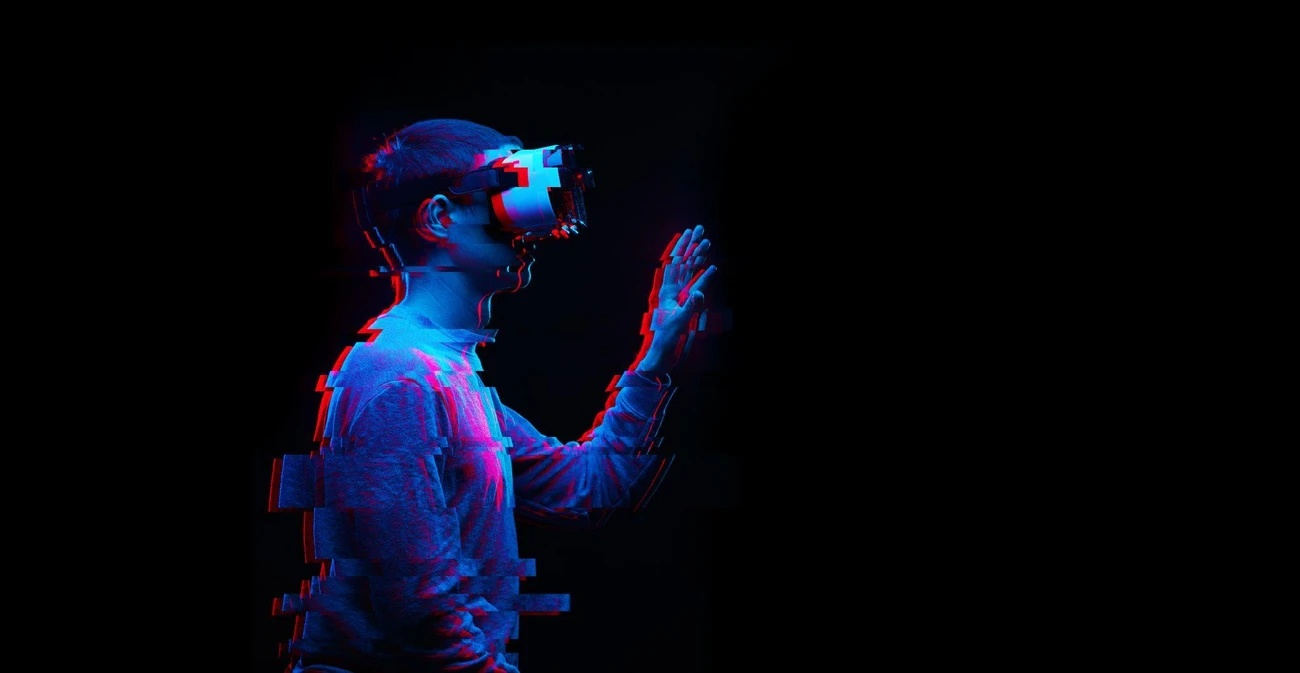
Many mainstream and alternative fashion publications have moved away from print to digital in order to stay competitive. In the digital age, traditional media can feel lacklustre because of changes in the way we consume information. The rise of mobile video, virtual reality (VR), augmented reality (AR), and the more refined use of data analytics will all influence the future of digital marketing.
A New Way to Shop
Gone are the days when you had to take a bus and a train to find the latest styles. Thanks to the smartphone, you can shop at your favourite high street retailer without getting off your sofa. But social media has taken it a step further. Shopping has gotten so much easier! Consumers can click through to the brand’s website, or checkout via Instagram if they want to purchase.
BENEFITS OF USING SOCIAL MEDIA IN FASHION INDUSTRY
Cultivated Brand Image and Increased Awareness
It is easier for Fashion Brands to create a brand image and build awareness amongst their customers as they are more visible to their audience.
Sponsored posts and digital ads help brands to create more audience-based content hence engaging with more customers.
Connection with Customers
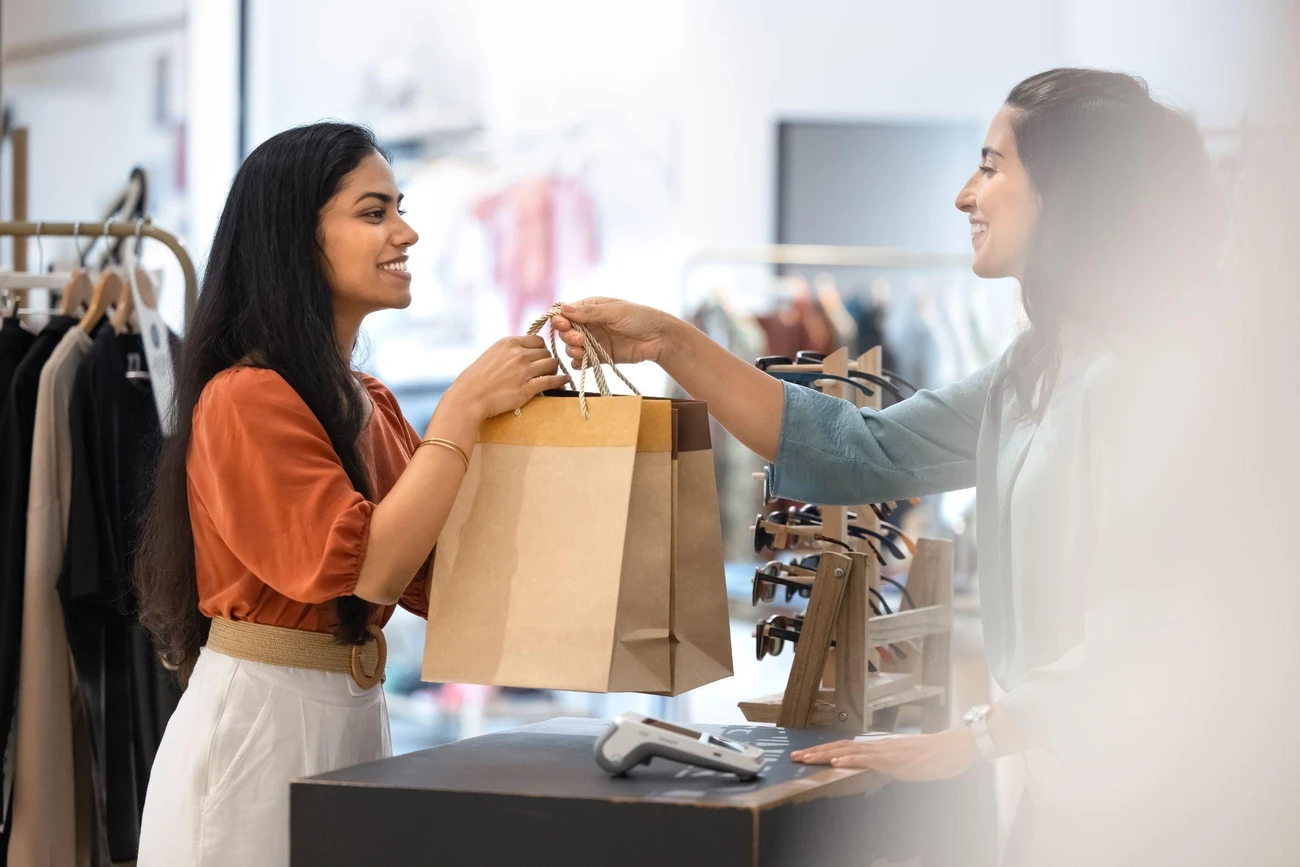
More engagement between customers and fashion brands helps to drive sales. It has become a crucial part of marketing and selling products, connecting to customers, and providing customer services online, and solving online queries has become much easier.
Increased Traffic
Now customers can learn more about the fashion brands they love. Increased transparency between brands and customers ends up in increased traffic from both ends. With more and more Fashion bloggers and influencers talking about the brands and promoting them.
Immediate Communication
Now customers can directly talk to brands about the exchange, refunds, queries which are now answered directly through the backends of brands.
Providing satisfying and effective customer services is the main goal of all fashion business owners, social media is that one medium that makes communication easier!
Targeted Ads

With business insights and statistics provided by these social media platforms, it has become much easier to reach the right customers and drive sales.
E-commerce companies have also grown with rising brands keeping themselves available on all platforms, paving their way to the peak.
4 Best Practices of Social Media Marketing for Fashion Brands
These practices are generic on their own. What makes them work in fashion is treating the feed as a design surface, not a billboard. The brands that win, from global houses to homegrown D2C labels, post like creators rather than advertisers: the making of a collection, styling ideas, and real replies in the comments, not just product shots on a white background.
Engage with Audience
Develop a voice which you and your brand can use to connect publicly and directly with users. By allowing the marketing team to interact with customers in direct messages, comments sections and platform specific means of communication such as tweets a lot of brands have seen success on social media.
Post Frequency
It is always recommendable to develop a posting schedule that plans and monitors the frequency of your social media output. A brand should be sensitive while posting because posting too often can lead users to get frustrated and unfollow, while infrequent posting will not allow to achieve brand’s full potential on social media. In order to achieve a perfect reach a brand should analyse and maintain sufficient frequency for gaining followers and interaction.
Social Media Integration
It is very vital to integrate social media into mobile applications in order to drive traffic and encourage users to share their in-app content across their social media handles. Speaking of this, A brand should develop an application that allows users to create look books, and easily share it with their friends and followers.
Variety is Key
For best outcomes, share a variety of blog posts, look books, lighthearted shareable content, user generated content and exclusive offers. A mixed content strategy including different formats, various features available on each media channel often works best across a brand’s social media channels.
How Social Media Shapes Fashion in 2026
The deeper change is not speed, it is power. For most of the last century a small circle of editors and design houses decided what was in fashion, and everyone else followed. Social media handed that power to algorithms, creators and shoppers themselves, and that shift, more than any single viral look, is what social media’s effect on fashion really means.
This piece was first written when the static Instagram feed and the e-girl look defined online fashion. The picture has changed fast since then, and an honest answer to how social media shapes fashion now has to account for what came next.
Short-form video is the trend engine. Instagram Reels, TikTok and YouTube Shorts have overtaken the static feed as the place trends are born and die. A single short clip can turn a niche aesthetic into a global microtrend within days.
Fashion is now shoppable inside the app. Social commerce, buying without leaving the platform through in-app shops, live shopping and creator storefronts, is one of the fastest-growing parts of retail. The global social commerce market was worth roughly 1.5 trillion US dollars in 2025 and is projected to keep growing at close to 37 percent a year (Grand View Research).
The influencer became the creator. Audiences now trust everyday creators and micro-influencers more than polished advertising. In one 2024 survey, 69 percent of Gen Z consumers said they had discovered a new brand or product through an influencer.
Trend cycles have collapsed. Named aesthetics now arrive and expire within a single season, from cottagecore and coquette to quiet luxury and mob wife, a pace the article’s e-girl example only hinted at.
Dupe culture and deinfluencing. Many shoppers now openly hunt for affordable dupes of luxury pieces, while a growing deinfluencing movement pushes back against constant buying, a real shift from the pure aspiration the early influencer era ran on.
Try before you buy, virtually. AR filters and AI virtual try-on let shoppers preview clothes and makeup on themselves before buying, shortening the path from post to purchase even further.
You can see the pattern in specific moments. In 2023 the Barbie film turned hot pink into a season-long trend across brands, a wave the internet named Barbiecore, while the show Succession pushed the opposite look, logo-free quiet luxury, at almost the same time. TikTok brought back Y2K low-rise jeans and baby tees, and haul videos powered ultra-fast-fashion labels like Shein. None of these were handed down by a magazine editor; they were set by films, shows, algorithms and millions of ordinary posts.
Social Media and Fashion in India

In India the shift is just as sharp. Instagram Reels and short videos drive most fashion discovery, regional-language creators carry trends into smaller cities, and social-first marketplaces like Meesho, alongside Myntra and Ajio, turn that discovery into sales in tier-two and tier-three towns. Social media has been one of the biggest engines behind India’s homegrown direct-to-consumer fashion boom, letting small labels reach a national audience without a single physical store.
You can see it clearest in brands built almost entirely on social media. Snitch, a Bengaluru menswear label that pitched on Shark Tank India, used Instagram and fast, trend-led drops to grow into a company reporting several hundred crore in annual revenue within a few years, without starting from a chain of stores.
The Flip Side: What Social Media Costs Fashion
It would be dishonest to treat all of this as good news. The same speed that makes fashion democratic also makes it disposable: microtrends fuel overconsumption and textile waste, and the constant churn is hard on both the planet and the wallet. There is a human cost too. Endlessly curated feeds drive comparison, pressure and body-image anxiety, something we look at in Social Media: The Anxiety to Please. And when everyone chases the same viral looks, fashion can start to feel homogenised rather than personal. Using social media well means treating it as a source of inspiration, not a script to obey.
Where This Fits in a Design Education
Reading these shifts is exactly what fashion communication is about: understanding how trends move, how brands tell stories, and how audiences respond. At UDIT (formerly IIAD), that thinking runs through the B.Des Fashion Design course, where students learn to design for a social-first industry rather than simply react to it.
Social media has had a radical effect on essentially every aspect of the fashion industry, and while that impact may change in the future, it’s clear that it’s not going anywhere anytime soon. Social media shows us how crucial it is to build relationships to keep up with the ever-changing times. Social media allows those who once felt like they were on the outside looking in to become a part of the in-crowd with the help of an aesthetic news feed and the drive to grow their following through relatable content and like-minded behaviours to those that follow them.
Frequently Asked Questions
1. How does social media affect our fashion choices?
It shapes what we see, want and buy. Social platforms decide which trends go viral, compress trend cycles from seasons to days, and let us buy an outfit the moment we see it, which makes fashion faster, cheaper and more participatory, but also more disposable.
2. Which social media platform influences fashion the most?
Short-form video leads today. Instagram Reels, TikTok and YouTube Shorts are where most trends now start and spread, having overtaken the static image feed and the print magazines that once set the agenda.
3. What is social commerce in fashion?
Social commerce is shopping directly inside social apps, through in-app shops, live shopping events and creator storefronts, without visiting a separate website. It is one of the fastest-growing parts of retail, worth roughly 1.5 trillion US dollars globally in 2025.
4. Is social media good or bad for fashion?
Both. It has made fashion more democratic, accessible and interactive, but it also drives overconsumption, waste and comparison-based anxiety. The healthiest approach is to use it for inspiration while thinking critically about what you actually buy.
About the Author
Harsh Gautam is a marketing and communications professional and brand strategist with over five years of experience across design education, international universities, e-commerce and sustainability-focused organisations. He led Communications and Branding at IIAD (now UDIT), where he shaped how the institute told its story online, and has since built brand campaigns, digital content and stakeholder partnerships in India and across European markets, including roles at CSRBOX and Boostmyshop International. His work spans social media strategy, storytelling, SEO and analytics. He is currently pursuing an MBA in AI for Business at BITS Pilani and writes Conscious Communiqué, a newsletter on sustainable, responsible communication.
More things to read