Article
Shraddha Kochar
04/03/2025
Overview
The e-commerce revolution has reshaped the fashion market, making it a hub of career opportunities for designers, merchandisers and management graduates. With top fashion e-commerce sites in India—such as Myntra, Ajio, and Nykaa Fashion—relying on data-driven strategies, the demand for skilled professionals is rising. Fashion designers are now creating collections for digital-first brands using tools like Clo3D, Browzwear and Adobe Substance, blending technology with creativity to produce both virtual and physical garments. The fashion merchandising industry has evolved with roles in trend analysis, pricing and retail planning, while fashion merchandisers leverage AI-driven demand forecasting and consumer analytics to optimize inventory and sales. Those with a fashion merchandising degree can explore careers in buying, retail strategy and product development, with fashion merchandising salaries varying based on expertise and market trends. On the business side, management professionals oversee logistics, digital marketing and brand growth strategies, ensuring seamless operations in the fast-paced world of online retail. As technology continues to shape the industry, professionals who can integrate creativity with data-driven decision-making will lead the future of fashion e-commerce.
Table of contents
- Growth of Fashion E-commerce
- Impact on the Fashion Industry
- Key Career Opportunities in the Fashion E-commerce Sector
- Roles For Management Graduates
- Role of Technology in Shaping Careers
- Top Fashion E-commerce sites India and Their Career Ecosystems
- Preparing for a Career in the Fashion Market E-commerce Sector
- Future Trends and Opportunities in Fashion Market E-commerce Sector
Growth of Fashion E-commerce
The $700 billion fashion e-commerce industry is more than just online shopping—it’s a revolution. Designers are crafting digital collections and using AI to push creative boundaries. Merchandisers are decoding trends with data analytics, while management professionals are redefining supply chains and branding in a fast-paced, tech-driven world. Augmented reality try-ons, AI-powered recommendations and seamless omnichannel experiences are transforming how we buy and sell fashion. From global giants like Myntra and Amazon Fashion to emerging sustainable labels, the industry is brimming with opportunities for those who blend creativity with business savvy. The question is—are you ready to step in?
India, with its growing digital economy, is a key player, showcasing platforms like Myntra, Ajio, Meesho and Amazon Fashion as market leaders. These leaders are not just promoting national brands but also introducing international labels on their platforms. For instance, Myntra is offering Trendyol under its initiative ‘Fashion Beyond Borders.’ Fashion e-commerce has enabled brands to reach national audiences without the constraints of offline stores. This has created diversified consumer choices and created immense opportunity for emerging designers and well known brands. As mobile penetration deepens, emergence of network operators and digital payment evolves, e-commerce will continue to bloom without a doubt.
Impact on the Fashion Industry

This revolution has redefined consumer behavior, change in customer preferences shifting shopping preferences from offline stores to online platforms. Key technology trends such as Artificial Intelligence for customised recommendations, Augmented Reality for try-ons and data driven information for preceding demands and betterment of the shopping experience. These changes have made online shopping much more convenient and engaging.
The e-commerce has encouraged traditional retails to move to an omnichannel approach i.e brands integrating it’s online and offline operations to offer a seamless shopping experience further blurring the lines between offline and online. This has created a ripple effect by creating a way for skilled professionals to manage these operations.
Key Career Opportunities in the Fashion E-commerce Sector
As fashion retail shifts increasingly online, new career pathways are emerging at the intersection of design, technology and business. From creating digital-first collections to optimizing supply chains, professionals across disciplines are shaping the future of fashion e-commerce.
Roles For Fashion Designers
Fashion designers in the e-commerce sector cater to customers who prefer shopping online by designing clothes specifically for the digital market. Additionally, these designers are expanding their expertise to create digital apparel for virtual platforms and collections tailored for digital fashion shows. This trend, which gained momentum post-pandemic, has continued to evolve, reflecting the growing influence of technology in fashion.
Skills in Demand
Proficiency in design software such as Adobe Illustrator, Photoshop and CLO 3D is essential for modern fashion designers. Tools like Illustrator and Photoshop help in creating detailed visualizations, while CLO 3D helps bring garments to life through realistic 3D renderings. Additionally, leveraging data analytics and trend analysis allows designers to understand consumer preferences and meet the dynamic demands of digital shoppers. Storyboarding and crafting mood boards for virtual collections demand a refined blend of aesthetic sensibility and technological expertise.
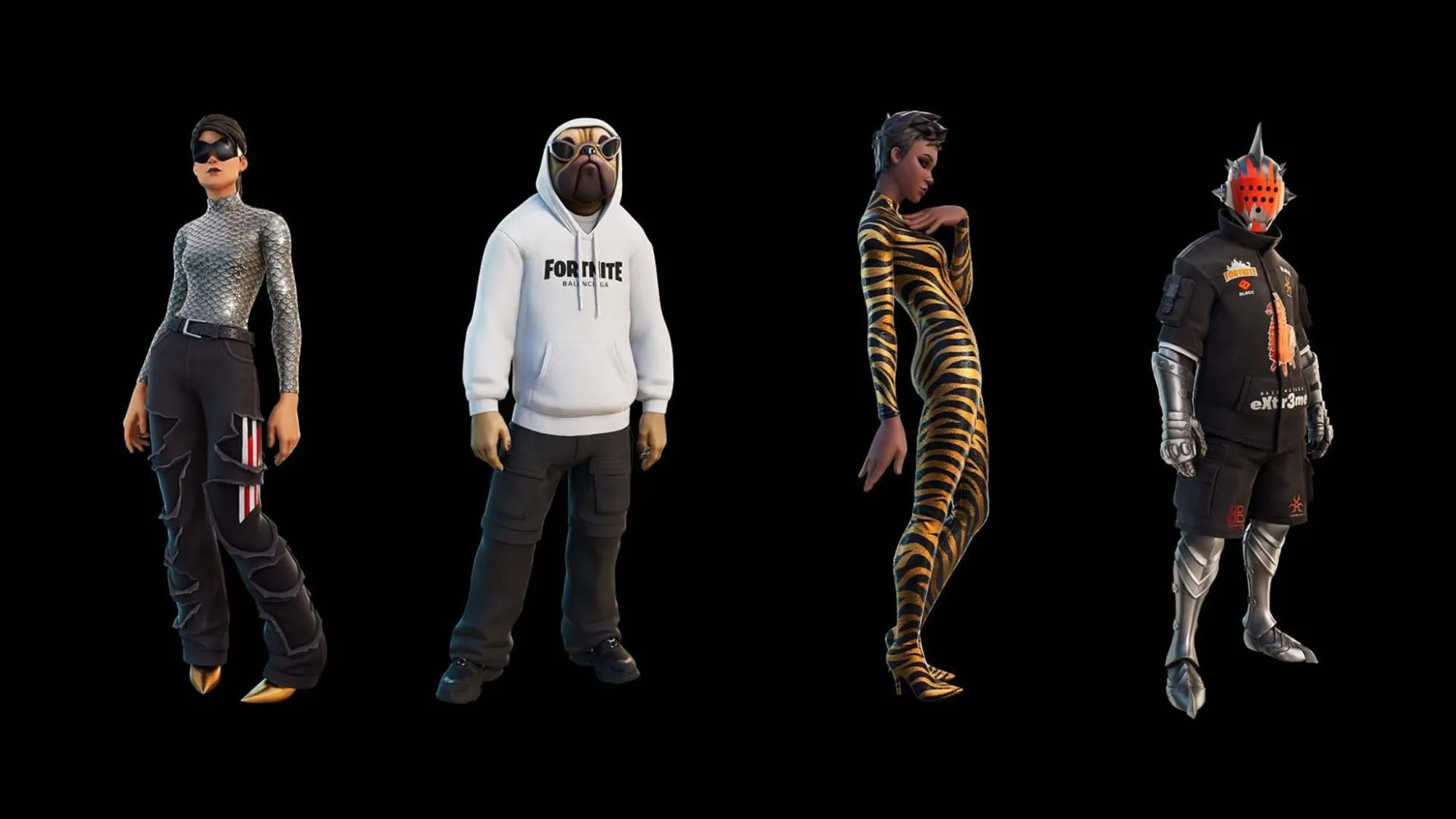
Every brand now utilizes tools to create realistic 3D renderings, enhancing the consumer experience. Leading brands like Gucci and Balenciaga have successfully launched digital collections, inspiring emerging designers to explore beyond traditional physical creations. In 2024, Balenciaga designed a range of digital clothing (Spring 2020 collection), which is available to purchase in Fortnite. Digital-only fashion items are gaining significant traction, providing designers with a creative playground while also reducing production costs and minimising environmental impact.
Roles For Fashion Merchandisers
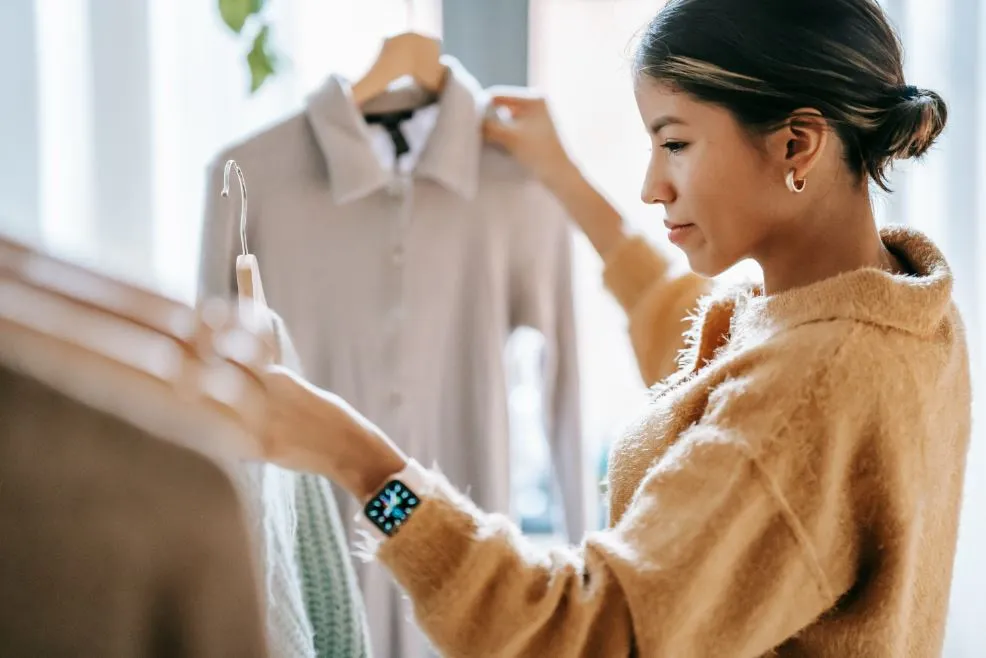
Fashion merchandisers play pivotal roles in product planning, sourcing, pricing and inventory management for e-commerce platforms. Their ability to forecast trends and align assortments with consumer demand ensures the profitability of fashion businesses. Merchandisers also collaborate with marketing teams to craft campaigns that resonate with target audiences.
Skills in Demand
Data analytics and trend forecasting are non-negotiable skills for merchandisers. Understanding sustainability and ethical sourcing practices further boosts their relevance in the modern fashion ecosystem. Familiarity with inventory management software and e-commerce platforms like Unicommerce, Shopify and Magento is advantageous.
Emerging Trends in 2025
Merchandisers are increasingly tasked with integrating eco-friendly practices into their strategies, aligning with the global push for sustainable fashion.The focus is on data driven decision making which helps predict consumer behavior effectively, optimize inventory and enhance product placement strategy. Merchandisers are focusing on omni-channel approach which creates a seamless integration between online offline experiences.
Roles For Management Graduates
Management graduates are driving operations, branding and logistical efficiency in the fashion e-commerce sector. They’re responsible for overseeing supply chain processes, crafting digital marketing strategies, and scaling e-commerce operations. From customer relationship management to vendor negotiations, their responsibilities are diverse and impactful.
Skills in Demand
Strategic planning, leadership and an in-depth understanding of the fashion merchandising industry are crucial. Familiarity with tools like Google Analytics, Salesforce and Microsoft Dynamics provides a competitive edge. Management professionals often lead cross-functional teams, requiring excellent communication and problem-solving abilities.
Case Studies
Nykaa Fashion and Flipkart Fashion are prime examples of brands that have thrived under robust management strategies, opening doors for professionals seeking impactful roles. The ability to scale operations efficiently while maintaining brand identity is a hallmark of successful management in this domain.
Role of Technology in Shaping Careers
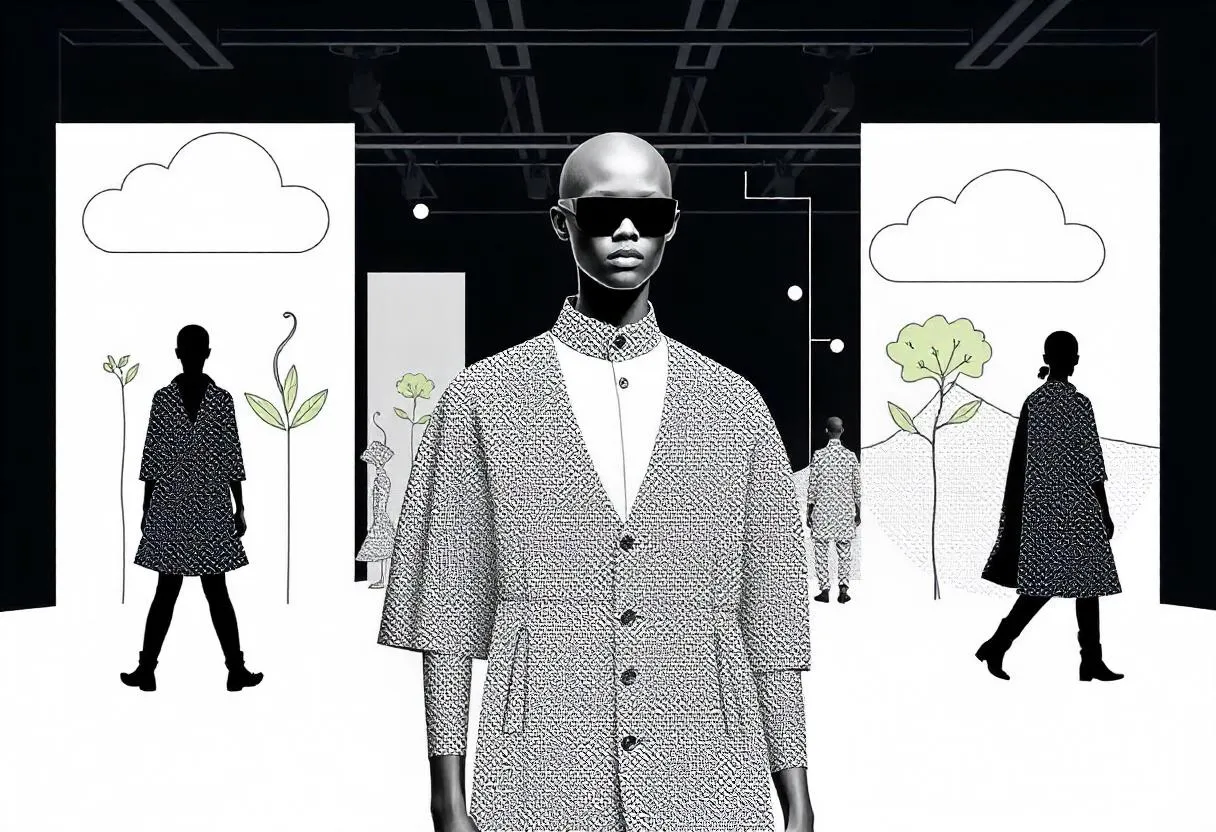
Technological advancements such as AR, 3D design tools and AI have revolutionised the fashion e-commerce sector. Virtual try-ons and AI-powered consumer behavior analysis are reshaping the shopping experience, allowing professionals to create and market more effectively. Tools like BigCommerce and WooCommerce have simplified online store management, making them accessible to small and medium-sized enterprises.
Opportunities for Tech-Savvy Professionals
The integration of technology into creative workflows has created opportunities for designers and merchandisers to collaborate with tech experts. This intersection allows for the development of innovative products and efficient business strategies. For instance, AI-powered algorithms can help designers predict trends, while AR tools enable merchandisers to offer immersive shopping experiences.
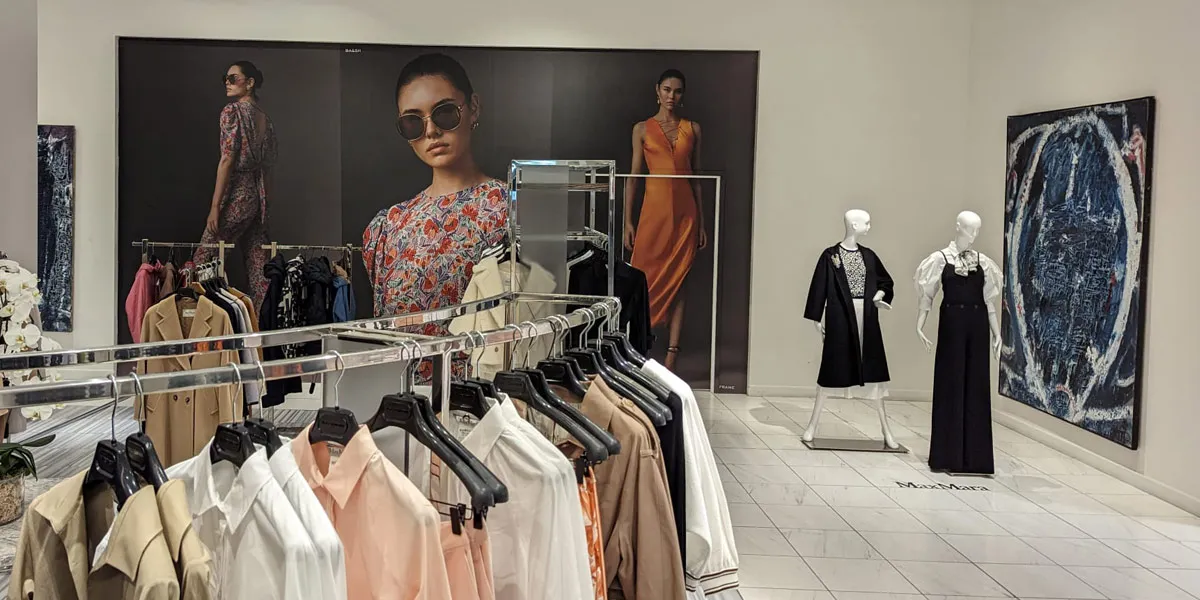
Fashion merchandising has evolved from traditional retail roles to encompass digital-first responsibilities. The increasing demand for professionals with hybrid skill sets reflects the shift towards e-commerce dominance. Merchandisers now balance creative vision with data-driven decision-making, a combination that is integral to success in this dynamic industry.
Career Pathways
Degree programs in fashion merchandising offer a blend of creative and analytical coursework, preparing students for roles in product development, buying, and inventory management. Entry-level positions often lead to specialized roles with competitive salaries.
Salary Insights
Salaries in fashion merchandising vary by role and market, with professionals in managerial positions often earning six to seven figures annually. Emerging markets like India provide ample opportunities for growth, with salaries aligned to global standards for skilled professionals.
Top Fashion E-commerce sites India and Their Career Ecosystems
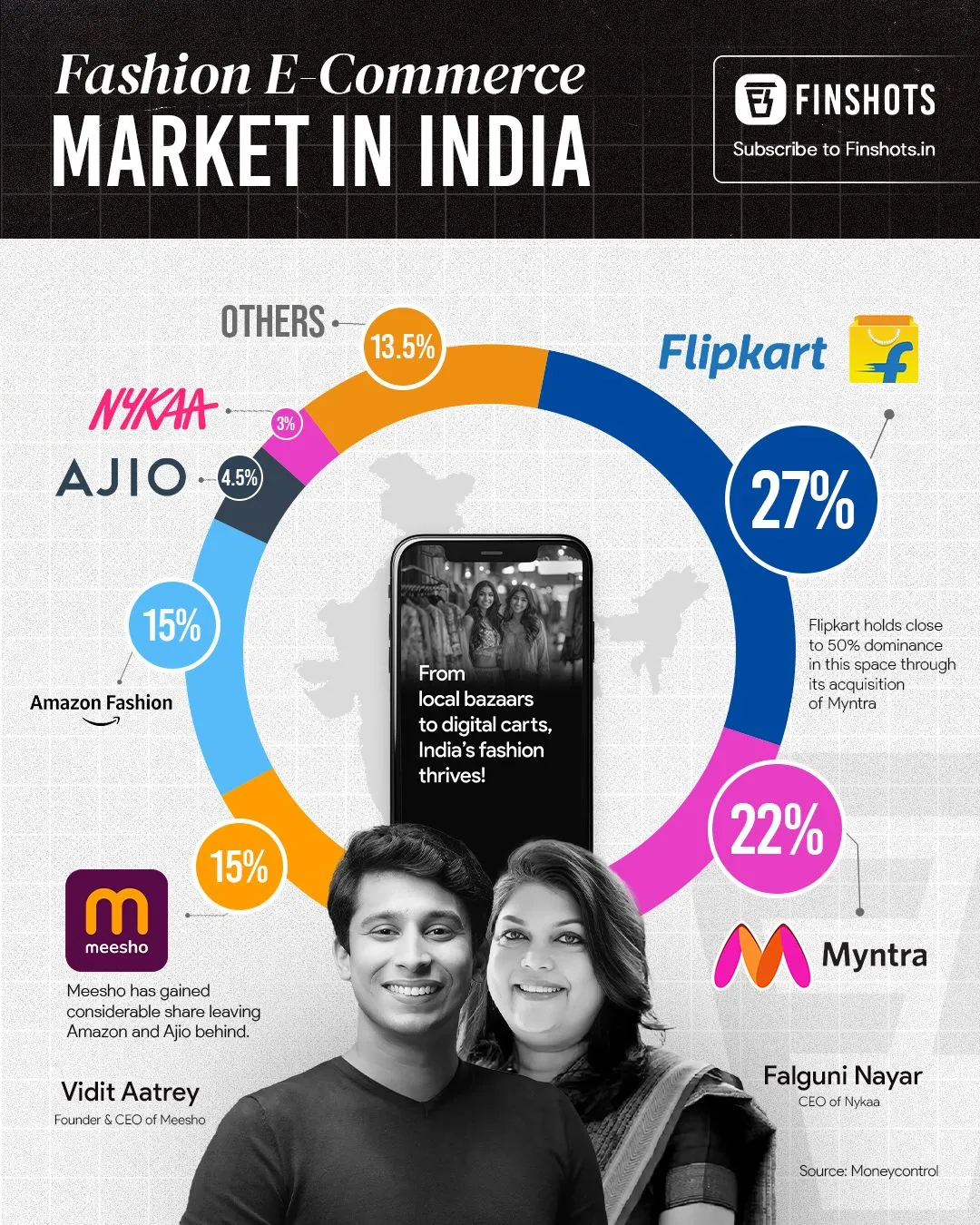
Leading platforms like Myntra, Ajio, Flipkart Fashion, Amazon Fashion, Meesho and Nykaa Fashion are shaping the Indian e-commerce landscape. These platforms offer diverse career opportunities for professionals across design, merchandising, and management domains.
Types of Opportunities Available
Design teams focus on creating exclusive collections tailored for the online audience, while merchandising teams optimize product assortments and pricing strategies. Management roles oversee operations, marketing campaigns, and customer engagement.
- Design teams focus on creating exclusive collections tailored to the preference of the online audiences. It helps collaborate trend forecasters and data analysts to align designs with current market trends. Designers use AI-assisted design platforms and 3D visualization softwares for efficient workflows.
- Merchandising teams focus on optimising product assortments and developing a pricing strategy based on competitive analysis and customer behaviour insights. Merchandisers also work closely with supply chain teams to ensure people have the right inventory.
- Management roles help see smooth logistics and timely delivery to help plan and execute impactful marketing campaigns to boost customer acquisition and retention. Management graduates also help enhance customer engagement through more personalised experiences and loyalty programs.
Success Stories
Professionals like Rina Dhaka and Sabyasachi have successfully collaborated with e-commerce platforms, showcasing the potential for career growth in this space. Emerging brands and startups further highlight the opportunities for young professionals eager to make their mark.
Preparing for a Career in the Fashion Market E-commerce Sector
Pursuing degrees in fashion design, merchandising, or e-commerce management is essential for those aiming to build a successful career in the rapidly evolving fashion industry. These specialized programs equip students with the necessary skills, combining creativity with business acumen, and preparing them for the industry’s diverse demands.
Programs in fashion design typically focus on fostering creativity, technical skills, and an understanding of garment construction, fabric types, and trend forecasting. Students learn how to translate artistic ideas into functional designs while staying ahead of market trends. Fashion merchandising on the other hand, dives into the business side, focusing on product assortment, pricing strategies, visual merchandising and supply chain management. The ability to analyze consumer behavior and adapt to market demands is key in this field.
E-commerce management programs are particularly vital as the fashion industry increasingly shifts toward online retail. These courses teach how to run digital stores, manage online branding, execute digital marketing strategies, and analyze sales data. Understanding the intersection of technology, consumer preferences, and business strategy is crucial for success in this domain.
Institutions like National Institute of Fashion Technology (NIFT), Indian Institute of Art and Design (IIAD) and Fashion Institute of Technology (FIT) offer comprehensive courses tailored to these domains. These institutions are known for their industry connections and robust curriculums, often incorporating internships and live projects that provide valuable hands-on experience in the fashion merchandising industry.
Internships offer students an opportunity to work closely with leading brands, gaining insights into real-world challenges, networking, and building their portfolios. Moreover, such practical exposure enhances problem-solving skills and the ability to adapt to the fast-paced environment of fashion e-commerce, ultimately making graduates more competitive in the job market.
For aspiring professionals in this dynamic industry, these degrees serve as a stepping stone, blending creativity with critical business strategies to succeed in the global fashion marketplace.
Upskilling
Certifications in digital marketing, supply chain management, or software tools like SAP and Tableau enhance employability. Mastery of design and analytics tools further differentiates candidates. Online platforms like Coursera and Udemy offer accessible courses to bridge skill gaps.
Networking
Building connections in the fashion industry through events, workshops, and LinkedIn can open doors to career opportunities and collaborations. Industry-specific forums and alumni networks provide invaluable insights and mentorship opportunities.

Future Trends and Opportunities in Fashion Market E-commerce Sector
As consumers become more environmentally conscious, sustainability has become a cornerstone of the fashion e-commerce industry. Shoppers today seek transparency, ethical sourcing, and eco-friendly practices, compelling brands to rethink their operations and integrate sustainable strategies into their business models. This shift has created a growing demand for professionals skilled in sustainability practices who can help companies meet these evolving expectations.
Emerging roles like Sustainability Strategists and Ethical Sourcing Managers are at the forefront of this transformation. Sustainability strategists are tasked with developing eco-friendly business models, minimizing carbon footprints and implementing circular economy principles. They work across departments to ensure that every aspect of the business—from design to delivery—is aligned with sustainability goals. Meanwhile, ethical sourcing managers focus on building transparent supply chains, ensuring that materials and labor practices meet ethical and environmental standards.
Brands are also exploring innovative technologies to achieve their green objectives. AI and blockchain are being used to track supply chains, measure environmental impact, and verify sustainable practices. Additionally, initiatives like recycling programs, biodegradable packaging, and carbon-neutral delivery options are gaining traction.
This growing emphasis on sustainability presents a wealth of opportunities for professionals passionate about creating a greener, more ethical fashion industry. It’s a call for innovators to shape the future of fashion responsibly.
Expansion of the Fashion Market
The fashion e-commerce landscape is undergoing a profound transformation, driven by the convergence of creativity, technology, and strategy. Emerging roles like Virtual Fashion Designers and AI Specialists in Merchandising are redefining how fashion is conceived, marketed and sold. Designers are now crafting digital collections for virtual environments, from metaverse platforms to AR shopping experiences, while AI-driven merchandising is optimizing trend forecasting, personalization and inventory management. Blockchain technology further strengthens the sector by ensuring supply chain transparency and enabling new forms of brand engagement through digital assets like NFTs. As this evolution unfolds, success in fashion e-commerce will depend on adaptability, digital fluency, and a forward-thinking approach. For designers, merchandisers and management professionals, the future holds a wealth of opportunities at the cutting edge of innovation.
Explore More About Fashion Business Management
– If this read has caught your attention, author Shraddha Kochar has also written about navigating change and growth in luxury fashion brands in 2025.
– Get insights into the scope of fashion merchandising —skills, careers and industry trends. Read more.
– Reality check on Fashion Business Management course—an open conversation between student and faculty on expectations versus experience. Watch now.
– Interactive visual merchandising is changing retail in the digital age. See how innovation shapes the shopping experience. Read more.
More things to read