Article
Anushka Das
07/09/2026
Fashion is one of the clearest ways people signal who they are. What we wear expresses personal taste, values and cultural background; it can build confidence, mark belonging to a community or subculture, and communicate gender identity. It is also a constant negotiation between self-expression and fitting in: mass-market brands and dress codes pull us toward conformity, cultural borrowing raises questions of respect versus appropriation, and, especially in India, a single outfit can carry region, community, religion, gender and generation at once.
The blog talks about the intricate relationship between fashion and identity. It investigates how clothing choices influence both personal and cultural identities, covering topics such as self-expression, cultural signifiers, and gender identity. It further emphasises the conflict between individual expression and societal conformity, pointing out how mass-market labels such as Zara and H&M shape worldwide fashion trends.
Table of Content:
- The Connection between Fashion and Personal Identity
- Cultural Identity and Fashion
- Fashion and Gender Identity
- Fashion and Subcultures
- The Role of Fashion Industry in Identity Formation
- Fashion and Identity in India
- In Retrospect: Fashion Design and Personal Identity
- Frequently Asked Questions
Fashion has always been a crucial aspect of human existence, influencing the way individuals present themselves to the world and communicate their identities. Clothing choices can reflect personal tastes, beliefs, values and cultural backgrounds, making fashion a powerful tool for expressing one’s identity. A person makes a conscious choice to be accommodated in a particular setting. People thus experience an overwhelming sense of group dynamics over individual identity and are attracted to the group. However, their personal identity is a hindrance to finding a comfortable place in the group.
We often observe that in a religiously affiliated school, students may be forced to change dress codes to fit in at that particular school. Suits and ties become a dress code for all employees to fit into the company policy.
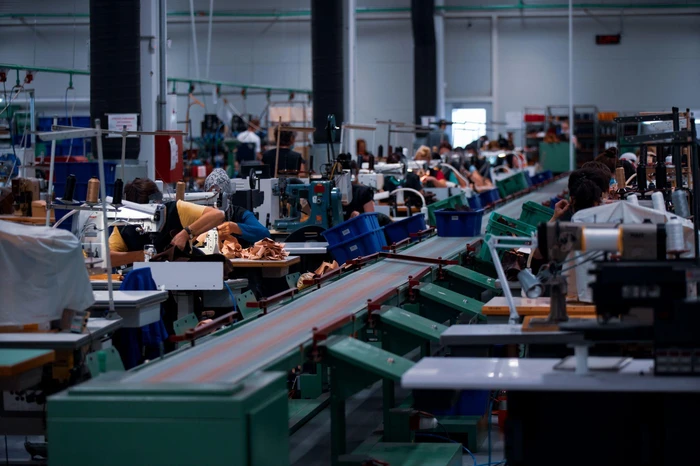
In the world of fashion, the word “acceptability” is prevalent. One main reason for this is the mass production of fashion labels that target mass sales. Fashion labels involved in such marketing are enforcing a fashion sense on the unsuspecting public. Design labels like Zara, H&M, and many others open fashion stores in many parts of the world with the mass market as their target. The main reason people wear these brands is because of the prestige attached to them and the strong sense of fashion that comes with wearing them, which moulds their identities.
Therefore, all employees are forced to change their individual identities when dressing. Involuntary conformity can also happen when a person lacks knowledge and thus seeks it from external (group) sources. In such a case, a person is unknowingly influenced by social dynamics and eventually changes behaviour as society dictates.
In an effort to feel fashionable, many people buy and wear Fashion brands not with respect to their personal identity but with respect to fashion.
The social and economic order that encourages the acquisition of fashion is focused on quantity (and unfashionable clothing) rather than quality. This has a negative impact on fashion wear that can not enhance people’s individual identities. On the other hand, it leads to the enhancement of social identity.
This analytical essay aims to delve into the intricate relationship between fashion and identity, exploring how clothing choices shape personal and cultural identities and the broader implications of these connections. Through an examination of various perspectives and case studies, this essay seeks to shed light on the multifaceted nature of fashion as a form of identity expression.
New to the field? Start with our guide to what fashion design is
The Connection between Fashion and Personal Identity
Self-Expression through Clothing
Fashion serves as an expressive medium, allowing individuals to communicate their personalities, tastes and individuality to others. People often use clothing as a canvas to present the image they want to portray, signalling their uniqueness, values and interests to the outside world. Fashion’s versatility enables individuals to adapt their style to different situations and environments, reflecting their evolving sense of self.
Fashion as a Form of Empowerment
Clothing can empower individuals by enhancing their confidence and self-esteem. When people feel comfortable and confident in their attire, they are more likely to project a positive self-image, which can significantly impact their interactions and relationships with others. The transformative power of fashion can help individuals overcome self-doubt and embrace their true selves.
Cultural Identity and Fashion
Cultural Signifiers in Clothing
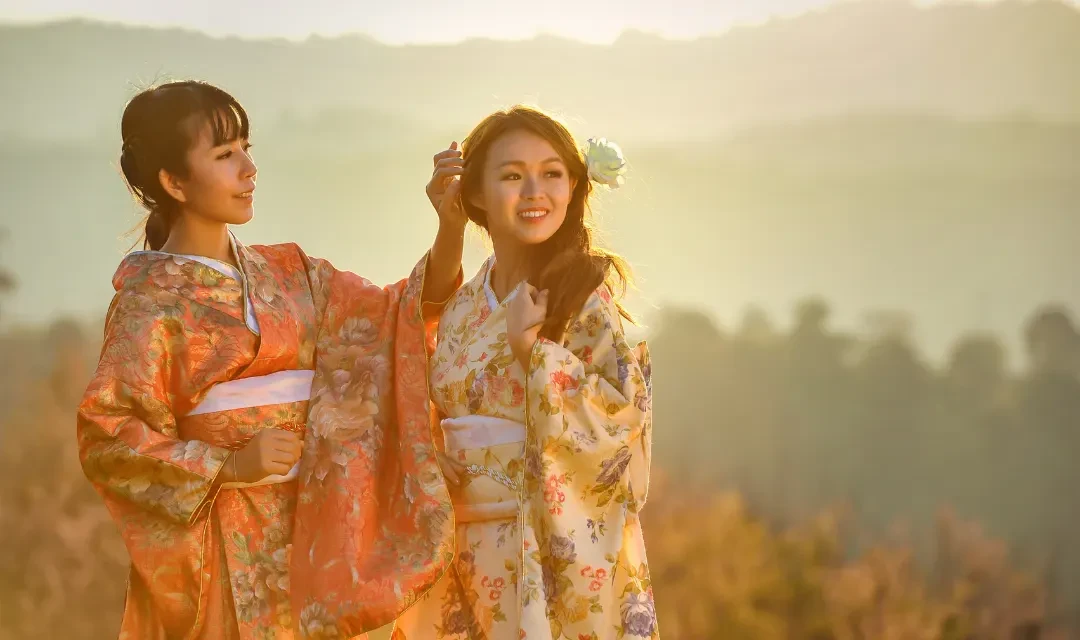
Fashion often serves as a visible expression of cultural identity, as clothing choices can reflect a person’s ethnic background, traditions, and heritage. Specific clothing styles, patterns, and colours can act as powerful cultural signifiers, conveying a wealth of information about a person’s identity and cultural affiliations.
Cultural Appropriation in Fashion
While fashion can be a means of celebrating cultural diversity, it can also lead to cultural appropriation when elements of one culture are commodified and used out of context by another culture. The difference is easiest to see in the controversies. When Gucci sent models down the runway in Sikh turbans in 2018, and when Victoria’s Secret put a Native American war bonnet on a model in 2012, communities objected because sacred, community-specific dress was being used as decoration by people with no tie to it and no credit given to its originators; Chanel drew the same criticism for Native American headdresses in 2013. Appreciation looks different: it credits and pays a culture’s makers, keeps the meaning of the dress intact, and often means collaborating directly, as when global brands work with named Indian craft clusters. A simple test is consent, credit and context: are the people a style comes from involved, acknowledged and benefiting, and is the meaning respected rather than stripped for novelty? Wearing a bindi as a festival accessory fails that test; wearing it within, or in genuine exchange with, the culture that created it does not.
Fashion and Gender Identity
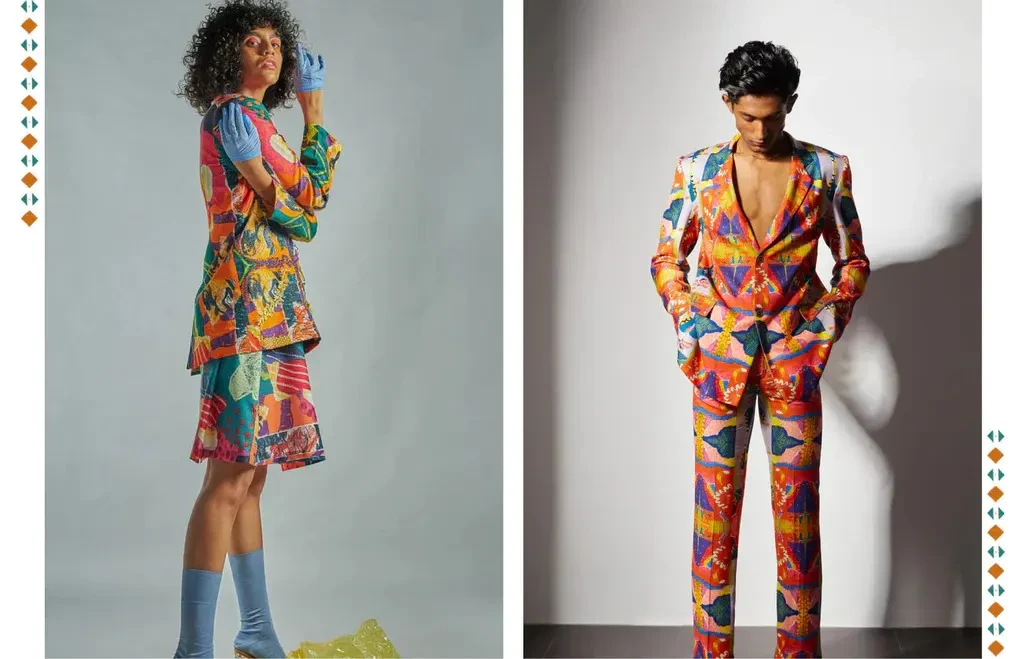
Image Courtesy: Fabiclore (Advait)
Fashion and Gender Norms
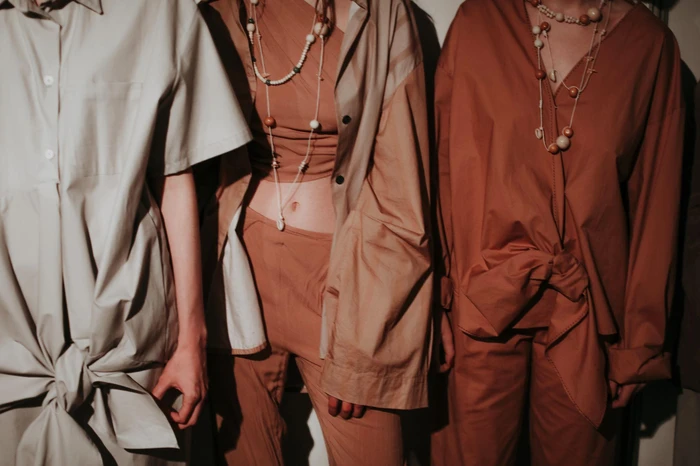
Historically, fashion has played a significant role in reinforcing societal gender norms. Clothing choices have been heavily influenced by cultural expectations surrounding gender, further leading to the establishment of distinct male and female dress codes. However, in recent years, there has been a growing movement towards gender-fluid fashion, challenging traditional notions of masculinity and femininity.
Fashion and LGBTQ+ Identity
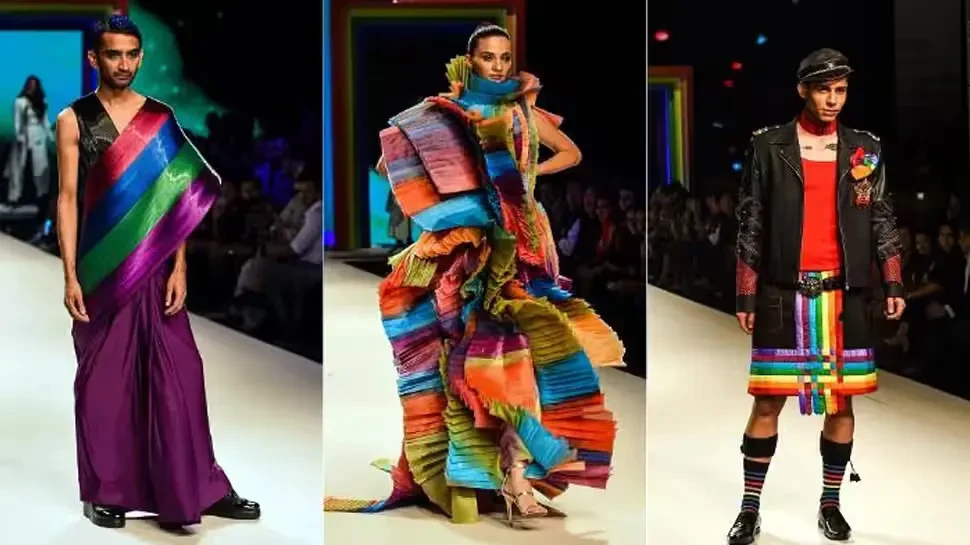
Image Courtesy: India.com (Lotus Make-up India Fashion Week (LMIFW)
Fashion has become an essential tool for many LGBTQ+ individuals to express their gender identity and sexual orientation. Clothing can offer a safe and empowering space for self-discovery and self-expression, allowing individuals to embrace their authentic selves and connect with like-minded communities.
This is no longer a fringe idea. When Harry Styles wore a Gucci gown on the cover of Vogue in December 2020, and when Billy Porter arrived at the 2019 Oscars in a tuxedo gown, they pushed genderless dressing firmly into the mainstream. Designers have led it too, with Gucci under Alessandro Michele and the British designer Harris Reed building collections around fluid silhouettes. India has its own movement, with labels such as Bloni, Bobo Calcutta, Chola and Two Point Two designing beyond the binary, and it has deep roots, since unstitched, draped garments like the dhoti and the sari were never strictly gendered. For many young and LGBTQ+ wearers, choosing these clothes is a way to make identity visible on their own terms.
Fashion and Subcultures
Subcultural Identities and Dress Codes
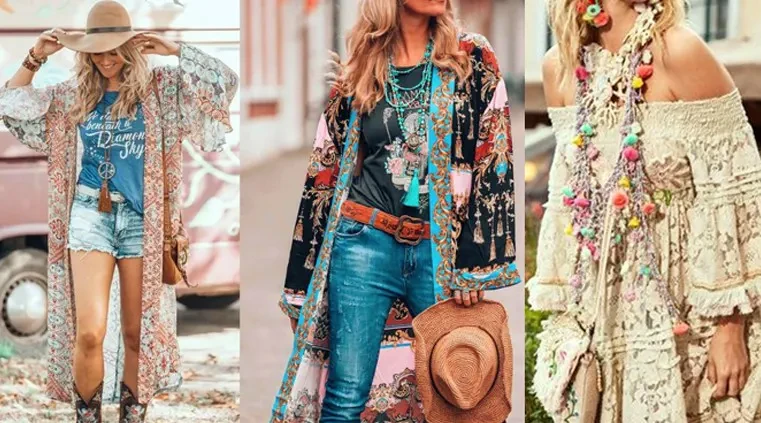
Image Courtesy: mehar.xyz
Subcultures often emerge as a response to mainstream culture, forming their own unique identities and aesthetic codes. The power of fashion to mould individual identities cannot be ignored. Fashion had and still has substantial influence over one’s personal identity and, to a great extent, influences what a person becomes. Clothing plays a pivotal role in subcultures, distinguishing members from the mainstream and fostering a sense of belonging within the group.
The Influence of Subcultures on Mainstream Fashion
The fashion industry has frequently drawn inspiration from various subcultures, adopting elements of their style and incorporating them into mainstream fashion. The borrowing is constant and well documented. Vivienne Westwood turned 1970s punk’s safety pins and tartan into high fashion; Marc Jacobs sent grunge’s flannel and slip dresses down the Perry Ellis runway in 1992, a collection so far ahead of the mainstream that it got him fired and later became iconic. Harlem’s Dapper Dan bootlegged luxury logos for hip-hop in the 1980s and was eventually brought in by Gucci itself, and streetwear went luxury when Supreme collaborated with Louis Vuitton in 2017. India’s own streetwear scene, from labels such as NORBLACK NORWHITE to Almost Gods, is walking the same path from subculture to runway. The ethical question is credit and value: the mainstream profits from a subculture’s look while the community that created it often sees little of the return.
The Role of Fashion Industry in Identity Formation
Fashion Media and its Impact
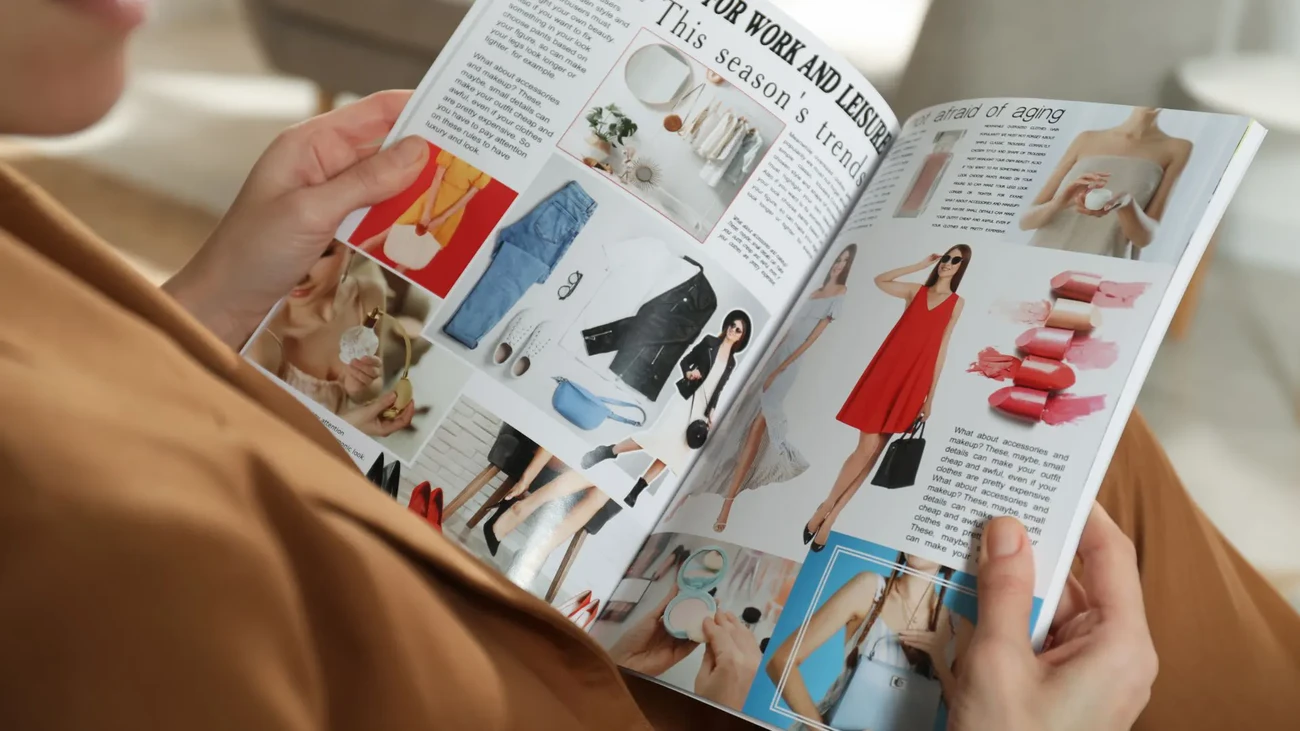
Image Courtesy: Canva Photo Stock
Fashion media, including magazines, blogs, and social media platforms, significantly influence our perceptions of fashion and, consequently, our understanding of identity. The portrayal of diverse identities in fashion media can positively impact individuals’ self-esteem and foster a more inclusive industry.
The scale of that influence is enormous. A handful of fast-fashion giants, Zara, H&M and now Shein, produce clothing at a pace and price that make trends almost disposable, and the industry is one of the most polluting on earth, responsible for an estimated 2 to 8 percent of global carbon emissions according to the UN Environment Programme. Social media has sharpened the effect: influencers and algorithm-driven feeds set micro-trends in days, so the pressure to buy into an identity, and to discard it just as quickly, has never been higher.
Sustainable Fashion and Ethical Consumption
Fashion’s impact on the environment and workers’ rights has increasingly become a concern for consumers. Ethical fashion practices and sustainable choices allow individuals to align their fashion choices with their values, contributing to a sense of personal identity grounded in conscious consumption.
Fashion and Identity in India
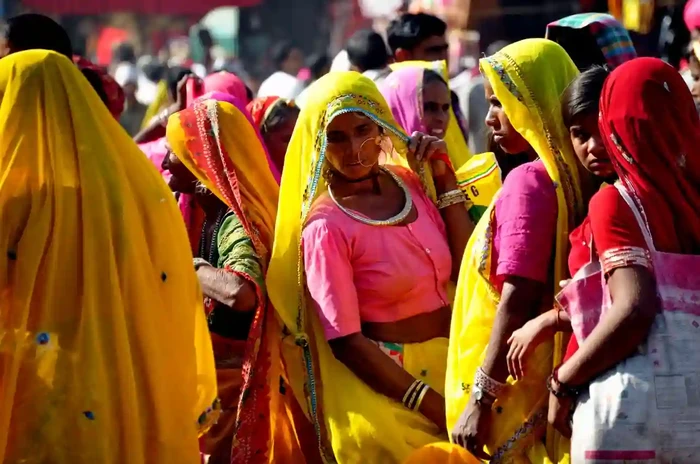
Nowhere is the tie between dress and identity denser than in India, where a single outfit can signal region, community, religion, marital status and generation at once. A Kanjeevaram sari, a Rajasthani ghagra, a Naga shawl or a Kerala mundu each place the wearer on a map. Dress has been political here, too: Gandhi’s khadi turned hand-spun cloth into the uniform of Swaraj, making what you wore a statement of self-rule. Bollywood then became the country’s biggest trend-setter, and the everyday choice between jeans and a kurta, or a lehenga and a gown, became a quiet negotiation between tradition, modernity and aspiration, felt most sharply by women and by a fast-urbanising young population. Today a new generation is rewriting those codes again, through genderless labels, homegrown streetwear and a revival of handloom worn on its own terms rather than as heritage costume.
In Retrospect: Fashion Design and Personal Identity
Fashion’s intricate relationship with identity goes beyond superficial appearances, delving into the core of who we are as individuals and members of diverse cultural and social groups. Clothing choices serve as a powerful means of self-expression, facilitating personal growth, empowerment, and the celebration of cultural diversity. Fashion’s dynamic nature allows it to reflect and influence societal shifts, challenging traditional gender norms and promoting inclusivity. As the fashion industry continues to evolve, embracing sustainability and cultural sensitivity will be vital to fostering a more authentic and harmonious connection between fashion and identity.
The relationship between man and fashion cannot be separated, and this can be sufficiently concluded. The relationship is mutually dependent. The role of people in the fashion industry is significant. For a long time, men have used fashion as a means to portray their individual identities. People’s choice of clothes has always been the ones that enhance their personal characteristics.
A man with dreadlocks and gypsy outfit embodies the free spirit and communicates the message about personal beliefs and attitudes.
Thus, if there is an indication of removing a man’s dress, it is looked upon as an attempt to strip the person’s identity. As such, personal dressing style signifies personal identity. However, fashion cannot be ignored in the way it influences a person’s character. There have been instances when removing a person’s unique fashion style erodes their personal identity, leaving them exposed to group dynamics.
Advocacy groups in ethical fashion have been saying that there is a need to reverse mass consumerism not only to protect individual identities but also to protect the environment. Recycling and reusing fashion design and materials explains that there is a way out of the current wasting of personal identity in society.
Frequently Asked Questions
1. Q: How does fashion shape personal identity?
A: Clothing lets people express their tastes, values and culture, build confidence, and signal belonging to a group, so it is one of the most visible ways we communicate who we are.
2. Q: What is the difference between cultural appreciation and appropriation in fashion?
A: Appreciation credits, involves and pays a culture’s makers and keeps the meaning of its dress intact; appropriation lifts a culture’s symbols out of context for profit or novelty, especially sacred or community-specific items, as in the Gucci turban and Victoria’s Secret headdress controversies.
3. Q: What is gender-fluid fashion?
A: Clothing that is not built around fixed male or female categories. It has gone mainstream through figures like Harry Styles and Billy Porter and designers like Gucci and Harris Reed, and India has its own genderless labels such as Bloni and Chola.
4. Q: How does fashion express identity in India?
A: In India a single outfit can signal region, community, religion, marital status and generation at once, from a Kanjeevaram sari to a Naga shawl. Gandhi’s khadi even made cloth a symbol of self-rule, and today genderless labels and homegrown streetwear are rewriting those codes.
5. Q: How does the fashion industry influence identity?
A: Through media, advertising and fast-fashion brands like Zara, H&M and Shein, the industry shapes what is seen as fashionable, and can narrow identity toward conformity or, when it shows diverse people, support a more inclusive sense of self.
Want to turn this interest into a career? Explore B.Des Fashion Design at UDIT.
About the Author:
Anushka Das is a textile-design expert and a Textile Design graduate of NIFT, New Delhi, with over 15 years in the textile and fashion industry. She has worked as Head Designer alongside Ritu Kumar and Neeru Kumar, leading collections for domestic and international clients, and in 2010 founded her own label, Anushka-Annasuya, which fuses Indian craft with contemporary design. Her work spans collaborations with Fabindia, Jaypore and Ajio across apparel and home; the Anzen and Fiori fabric-mask ranges she co-designed during the pandemic to support handloom weavers; and projects with the Ministry of Textiles and craft-focused NGOs. A committed advocate of sustainability, she works to a zero-waste philosophy and serves as a jury member and consultant, integrating traditional crafts into modern life.
More things to read