Article
Sukanya Bhattacharjee
07/07/2025
Overview
It is no surprise that artificial intelligence has taken the interior design industry by storm, but what’s more concerning is whether its application resonates with the vernacular context of India. While these tools become more accessible with time, it only makes sense to train them to adapt to the cultural context that ensures they align with local design sensibilities, climatic differences and lifestyles specific to different regions. But is that even possible, or is it a far-fetched thought? Read on to find out.
Table of contents
- Why Does Vernacular Interior Design Need a Reboot?
- What Makes Indian Interior Design Unique?
- The Current AI Toolset in Interior Architecture
- AI Meets Traditional Indian Spaces
- Cultural Blind Spots in AI Training
- How to Make AI Tools Culturally Intelligent in Interior Design?
- Conclusion
- Frequently Asked Questions
- Explore More
Why Does Vernacular Interior Design Need a Reboot?
Vernacular design is a reflection of a region’s immediate surroundings that have been passed down for generations. Just as every region is known for its dialect, cuisine, and clothing, it is also identified by the architectural style that it represents.
Vernacular interior design is a systematic approach that responds to locally available materials, climatic conditions, cultural practices, and community needs. It doesn’t adhere to strict rules and prioritises the needs of the place and its people. Being a multicultural nation, India has diverse practices that demonstrate the cultural heritage of each region. Some examples include:
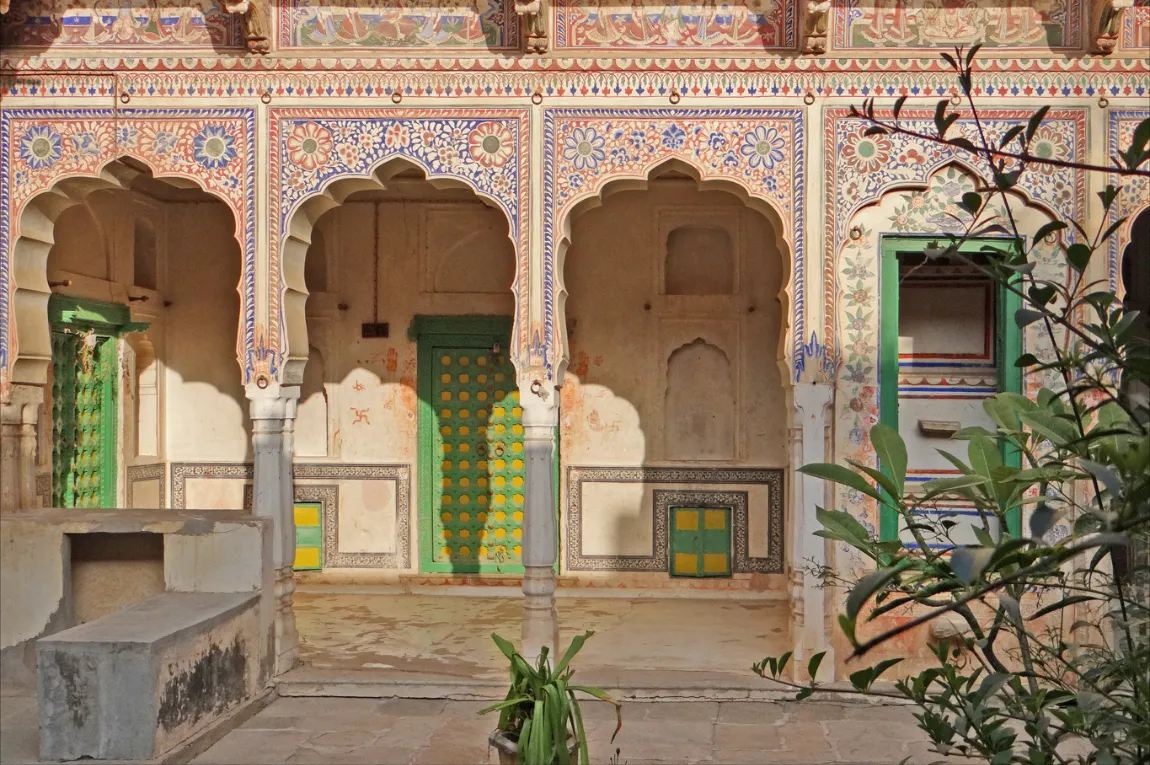
1. Havelis in Rajasthan –
These grand houses feature thick walls made from locally sourced sandstone, which keep the interiors cool during scorching summers. The intricately detailed jharokhas (overhanging windows) and courtyards are designed to provide shade and allow prolonged ventilation.
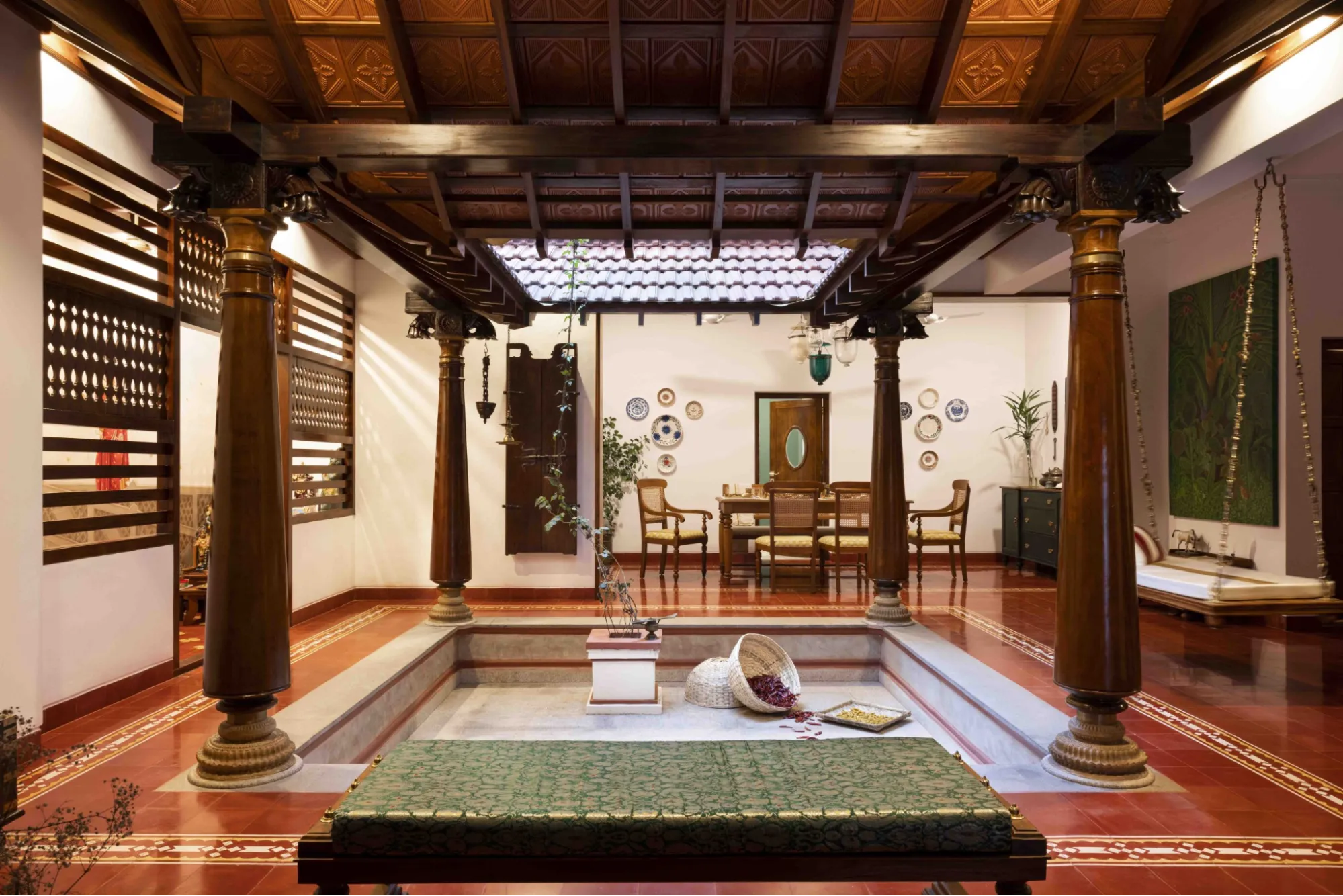
2. Nalukettu Homes in Kerala –
The traditional Kerala homes are designed around a central courtyard (Nalukettu), which maximises natural light, biophilic design, and ventilation. The use of terracotta tiles and timber helps maintain thermal comfort in the hot and humid climate. The sloping roofs efficiently drain off water during heavy monsoons.
3. Stilt Houses in Nagaland –
The houses in Nagaland are constructed with bamboo and raised on stilts to protect against floods and pests. Bamboo is a sustainable interior design material that is readily available in Northeastern India. It is lightweight and sturdy. The flexibility of this material also makes these homes earthquake-resistant.

As people spend more time indoors and become aware of their surroundings, there is an increasing demand for designs that prioritise sustainability, local living, and thermal comfort. Structures built using readily available resources and passive design strategies naturally reduce transportation costs and energy consumption, minimising the need for artificial heating or cooling.
Vernacular interior design offers an opportunity to incorporate traditional craftsmanship rooted in the regional customs and community into modern living spaces. There is a renewed focus on creating homes that provide physical and emotional comfort. These traditional techniques address the pressing needs of sustainable living and balance it with cultural resonance and practicality.
What Makes Indian Interior Design Unique?
Indian interior design is about creating a balanced environment that respects the lifestyle patterns and regional variations of its residents. The designs often feature a fusion of architectural detailing, natural materials, and colour schemes inspired by different regions. Here’s a breakdown of the lifestyle pattern that sets it apart:
1. Multigenerational Living
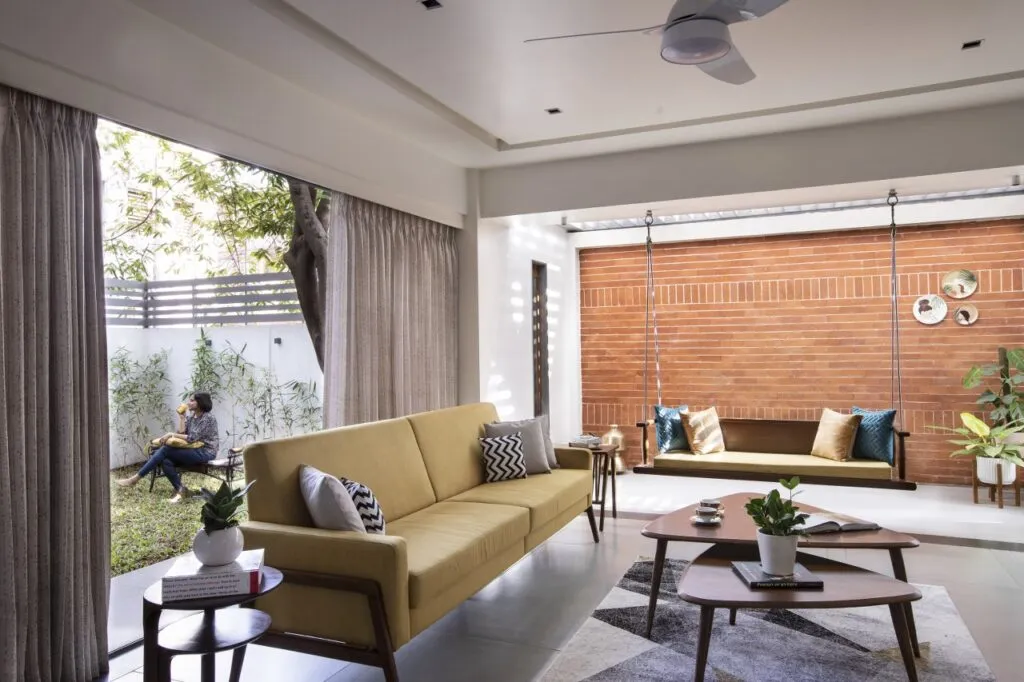
In many Indian homes, multiple generations live under one roof. This aspect encourages the need to design layouts with larger open spaces for family gatherings and interactions, along with private areas.
2. Spiritual Zone (Pooja Room)
The spiritual aspect of Indian life is reflected in the design of dedicated pooja rooms or areas for worship. These spaces are carefully designed with specific orientations and materials to create a quiet environment for prayer and meditation.
3. Verandahs and Courtyards
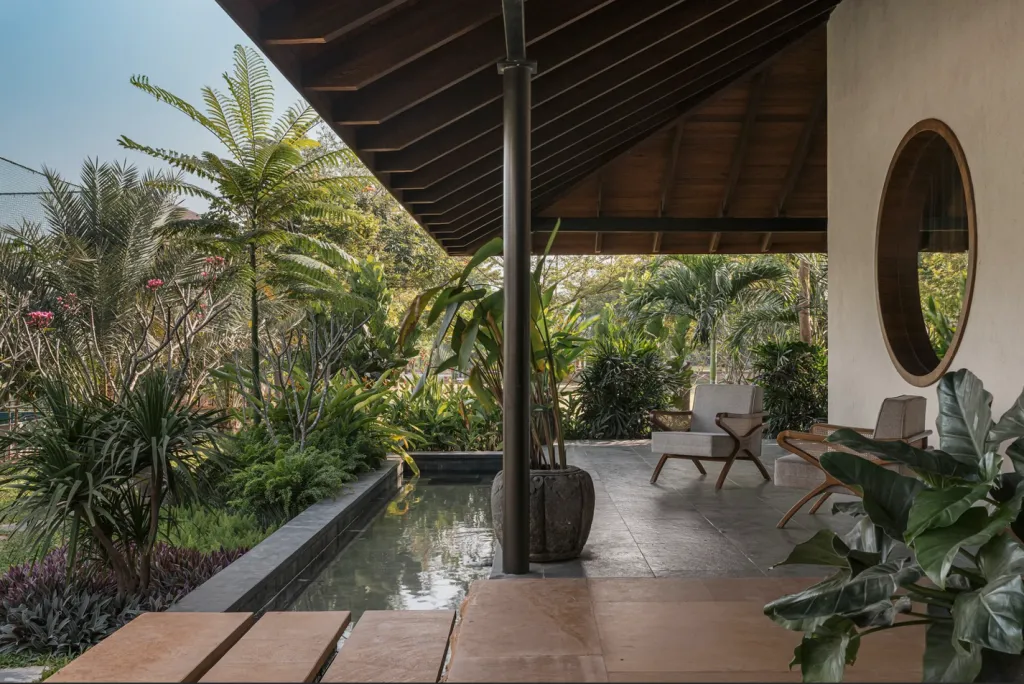
Verandahs and courtyards in Indian houses are created as a response to different climatic requirements. They act as transitional zones between the indoor and outdoor, often used for family gatherings or as areas to welcome guests. These spaces are great for socialising, relaxation, and connecting with nature.
4. Guest Priorities
Indian culture places great emphasis on hospitality, with a focus on creating spaces for hosting guests. Homes are often designed with larger living areas, separate drawing rooms, and spaces for formal entertaining, reflecting the importance of treating guests with respect.
Generic AI space planning tools, often trained on Western datasets, tend to overlook these distinct cultural and regional elements. These AI tools for interior designers are generally designed with linear, compartmentalised layouts, which do not align with the holistic and flexible approach to space that Indian homes embody. Indian vernacular interior design reflects the country’s cultural diversity, environmental awareness, and practical needs, which require far more comprehensive interior design software.
The Current AI Toolset in Interior Architecture
With advanced AI platforms becoming relevant, resisting these tools only means that designers are willing to let go of the potential to work more efficiently. Using them would help in automating repetitive tasks, streamlining workflows, and scaling up productivity. Here’s an overview of some of the most used AI tools currently shaping the field:
1. Generative Design for Floor Plans and 3D Visualisations
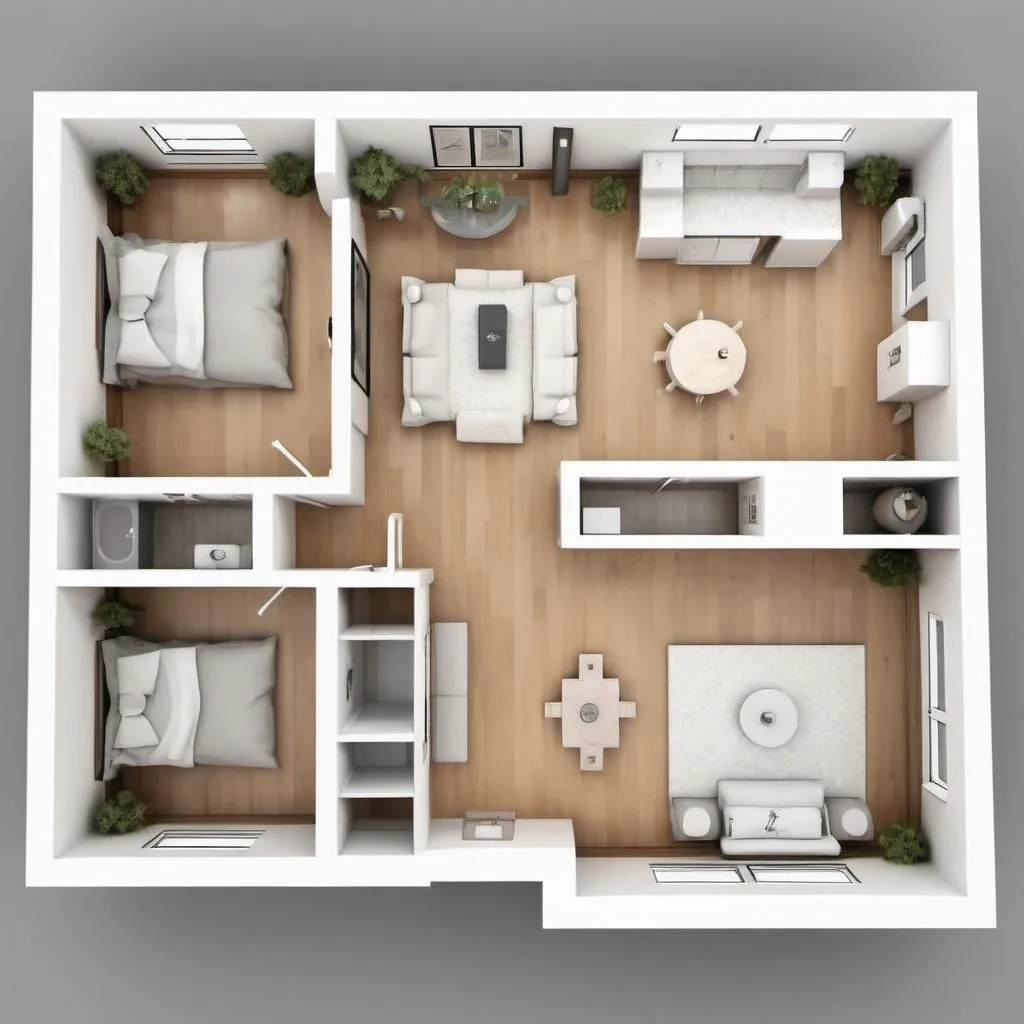
Midjourney & Stable Diffusion – These two AI-driven generative tools use text prompts to create detailed floor plans and visualisations. Based on specific requirements, such as room sizes, styles, and spatial arrangements, they can generate a variety of customisable design options.
Revit AI – Revit integrates AI capabilities for generating floor plans, optimising layouts, and automatically adjusting designs based on real-time constraints, such as space, structural elements, and user preferences. This allows architects to quickly iterate and explore multiple design solutions.
2. AI-Based Material Simulations
Climate-Optimised Surfaces – AI tools simulate how materials behave in various environmental conditions, such as temperature fluctuations, humidity, and light exposure. These simulations can help designers choose interior design finishes that perform best in a specific climate, optimising energy efficiency and thermal comfort. This allows for more sustainable interior designs, particularly in regions with extreme weather conditions.
Thermal Mapping – AI can analyse how heat and airflow move through spaces, helping designers choose materials and adjust layouts to improve thermal comfort. This is particularly valuable for optimising insulation, ventilation, and air circulation, contributing to energy savings and occupant comfort. It also predicts how materials will perform over time.
3. Predictive Design Tools
Lighting Design – AI tools predict lighting needs based on spatial arrangements and natural light availability, allowing designers to select the most suitable lighting systems for different times of day or year. These tools help to optimise light placement for energy efficiency.
Occupancy Flow – Predictive design tools can analyse human movement patterns within spaces, ensuring that rooms are arranged to optimise foot traffic and accessibility. Whether in a residential, commercial, or public setting, this technology can guide the flow of people to reduce congestion and enhance comfort.
Layout Optimisation – AI-driven layout optimisation tools consider factors such as room dimensions, purpose, and space usage to recommend the most efficient layout. These tools analyse data on usage patterns and recommend changes to improve the user experience and flow of the space. This also leads to designs that are more adaptable to the cities of the future.
4. Moodboard Generators
Learning from Visual Datasets – AI moodboard generators, trained on vast visual datasets, can generate style boards that reflect a specific cultural or regional aesthetic. For example, a dataset containing images of Rajasthani havelis or Kerala courtyards can help generate design inspiration that aligns with local architectural traditions and cultural nuances.
AI Meets Traditional Indian Spaces
India is home to a diverse cultural heritage and regional practices that influence its architectural styles. Below are a few examples to explain how AI is being utilised to preserve iconic design elements.
1. AI-Trained Models Generating Layouts Inspired by Chettinad Mansions
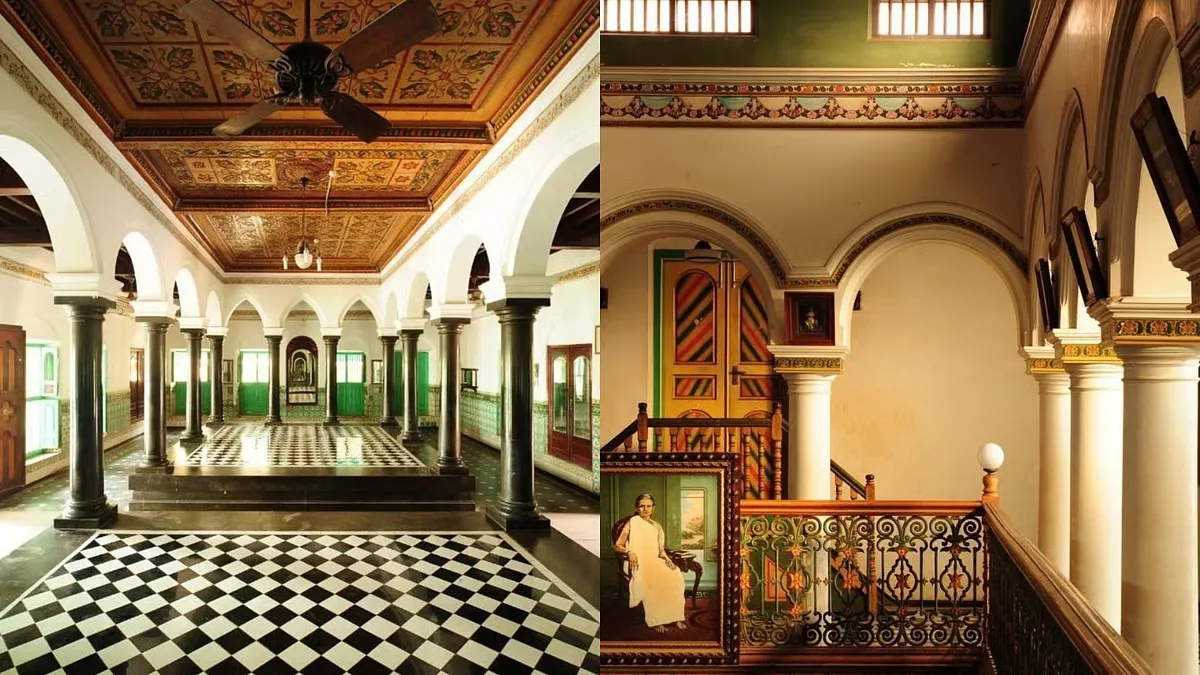
AI models can be trained to analyse traditional Chettinad mansion layouts, which are known for their spacious courtyards, grand pillars, and intricate woodwork. By understanding these features, AI can generate modern layouts that retain the essence of Chettinad architecture while incorporating modern design needs.
2. Simulating Airflow in Mud Homes Using AI-Based Parametric Tools
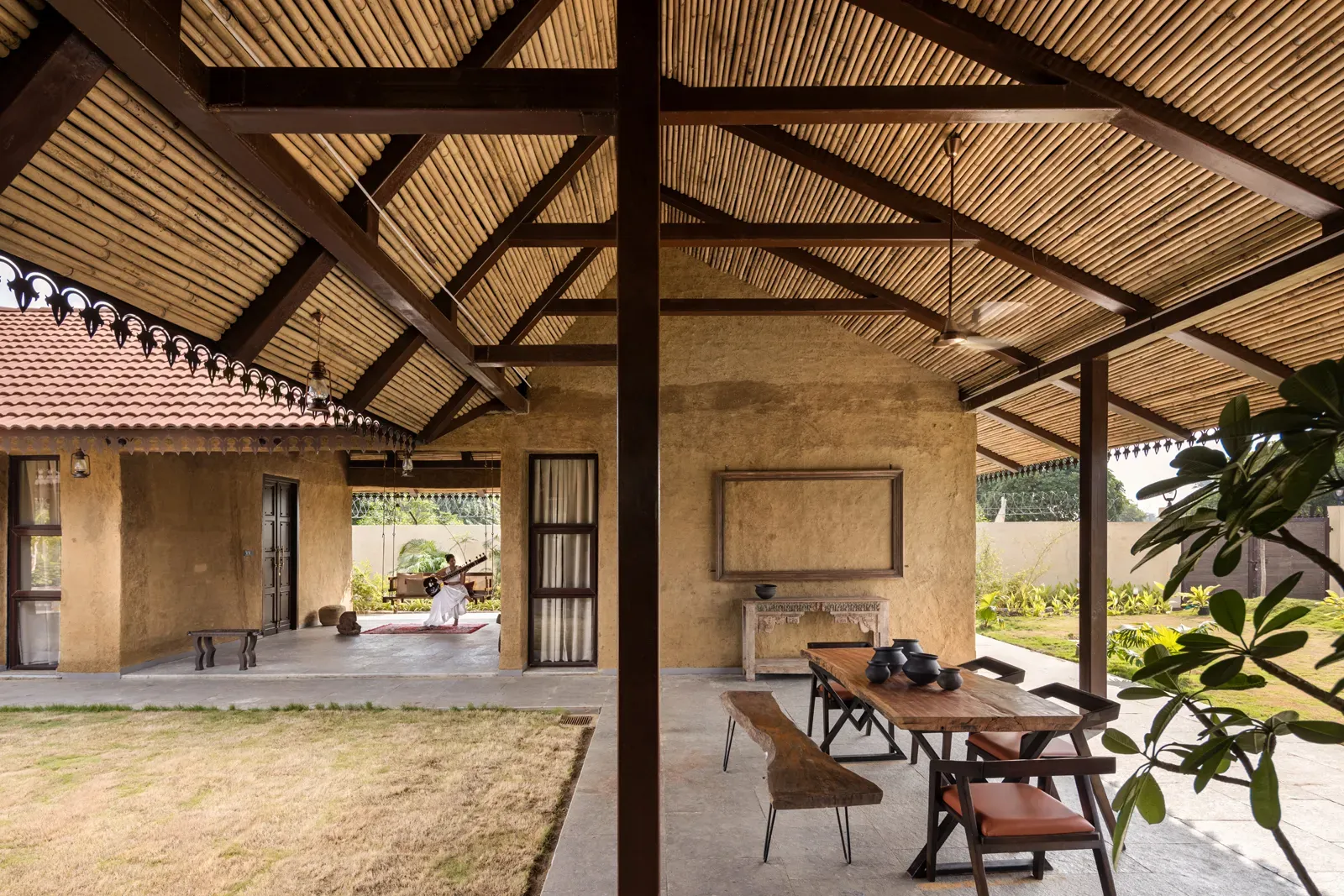
AI-based parametric tools can simulate airflow and thermal performance in traditional mud homes, which are known for their natural insulation properties. These tools optimize the design to enhance passive cooling and ventilation, ensuring comfort and energy efficiency while preserving the cultural relevance of mud construction.
3. Using Machine Learning to Reimagine Bamboo Partitions for Urban Micro-Housing
Machine learning can be used to rethink traditional bamboo partitions for urban micro-housing, adapting them to fit modern needs in smaller spaces. By analysing patterns in traditional bamboo usage and integrating data on urban living, AI can propose space-saving and visually appealing partition designs that maintain the sustainable and flexible nature of bamboo.
4. Smart Reuse of Stone/Courtyard Logic in Modern Apartments
AI can help adapt traditional courtyard-based designs, where outdoor spaces serve as focal points, into modern apartment layouts. By simulating space usage, airflow, and lighting, AI can integrate these concepts into urban apartments, ensuring that courtyards and stone elements provide both aesthetic and functional value.
Cultural Blind Spots in AI Training
With AI shaping the future of interior architecture and design, it’s essential to recognise the cultural biases that come with it and may influence its output.
1. Western Bias in AI Datasets
If AI design tools are trained on datasets that disproportionately represent specific demographics or styles while marginalizing the viewpoints of others, the outcome will likely be unfair or prejudiced.
For example, image recognition systems trained on data from Western countries lack representation and context. They end up favouring styles like mid-century modern over aesthetics such as Madhubani minimalism that suit the social and cultural environment in India. This bias restricts the AI’s ability to comprehend and generate designs, potentially leading to misinterpretations and limitations.
2. The Problem of Aesthetic Flattening
AI’s reliance on generic datasets can lead to aesthetic flattening, where distinctive cultural intricacies are lost. This results in designs that may erase spatial diversity, regional materials, and intricate motifs that are important to many cultural practices.
3. Importance of Fine-Tuning AI
To create more accurate and culturally relevant designs, AI tools need to be attuned to cultural adaptation, region-specific materials, motifs and climate-responsive logic. This would ensure that AI-generated designs learn from the local interactions, environmental conditions, and functional needs of different regions. Incorporating feedback from diverse users will enable AI to customise designs tailored to specific cultural preferences and norms.
How to Make AI Tools Culturally Intelligent in Interior Design?
1. Train AI with Indian Case Studies, Spatial Typologies and Floor Plans
AI tools can be trained to understand India’s cultural nuances by incorporating Indian-specific case studies, spatial typologies, and floor plans. These elements reflect diverse regional variations and traditional design practices. Essential aspects of Indian design include the application of Vastu Shastra, varied spatial layouts, and an emphasis on open spaces.
– Incorporate a wide range of regional Indian architecture and interior design projects to train AI.
– Include specific architectural typologies, such as Rajasthani havelis, traditional Kerala homes, or Himalayan structures, along with their distinctive design features.
2. Incorporate Local Material Databases, Climate Data and Lifestyles
Parametric design tools, powered by AI, should integrate local material databases (types of wood, stone, and local crafts) to create designs that are sensitive to both climate and local aesthetics. AI should also factor in the diverse climates across India.
– Include materials such as bamboo, mud, and stone, which are commonly used in Indian vernacular architecture, in the AI’s material database.
– Add climate data that reflects the temperature, humidity, and monsoon patterns in different parts of India.
3. Incorporate User Interviews and Ethnographic Insights into AI Prompts
It’s important to incorporate human perspectives, particularly those of individuals who practice and experience Indian interior design. This can be achieved through user interviews and ethnographic research, which can inform AI’s understanding of cultural practices, family dynamics and social functions within homes.
– Conduct interviews with Indian homeowners, designers, and artisans to understand their design preferences, values, and how their cultural influences shape interior spaces.
– Utilise ethnographic insights to inform AI systems about cultural norms, religious requirements (such as prayer spaces), and lifestyle patterns (like joint families).
4. Use AI as an Assistant
AI should be viewed as an assistant to human designers, not a replacement. Human design expertise and cultural sensitivity are essential in ensuring that AI-generated designs accurately reflect the cultural and personal needs of the users. AI can generate initial design drafts, but the final decisions must be made by human users who possess deeper insights into culture, history and personal preferences.
– Ensure AI generates multiple design options and provides a collaborative interface for human designers to fine-tune the output.
– Use AI to automate repetitive tasks such as space optimization or material selection, leaving the creative decisions to the designer.
Conclusion
India has a massive opportunity to carve a space in AI-driven interior design. By incorporating local context into AI training processes, it is possible to ensure that technology becomes a tool that amplifies and doesn’t erode the culture and heritage for which India is known. With the right approach and intention, by all means artificial intelligence can redefine vernacular interior design, as long as there is a human taking the design decisions. Here’s how:
1. Cross-Disciplinary Teams
The future of AI in Indian interiors depends on the collaboration between AI engineers, design historians, and artisans.
– Foster collaboration between AI engineers and design historians to build AI tools that respect and enhance Indian traditions.
– Bring artisans into the AI development process to ensure the authenticity of cultural design principles.
2. Building Open-Source Indian Interior Style Libraries
– There’s a need for open-source libraries that represent different regional Indian interior styles. These libraries would include design elements, interior design materials, motifs, and layouts that can be incorporated into AI-based tools.
– Develop an open-source library that catalogs various regional styles, including furniture, fabrics, color palettes, and spatial typologies.
– – Collaborate with Indian designers, historians, and cultural experts to build a comprehensive and diverse library that AI tools can reference.
3. Future Vision
The ultimate vision is to develop AI models that are specifically trained in Indian design practices, by Indian interior designers and engineers. This will ensure that AI-based design tools are not only culturally intelligent but also locally relevant and adaptable.
– Support the development of AI training programs within India that focus on vernacular architecture, regional materials and lifestyles.
– Encourage the development of localized AI systems that cater to the diverse needs of Indian interior design, ensuring they meet user requirements.
Frequently Asked Questions
1. What is Vernacular Design?
Vernacular design refers to the indigenous style of building construction that is specific to a particular place or culture. Often, this involves using locally sourced materials and traditional techniques that reflect the region’s climate and social structure.
2. What is Vernacular Interior Design in India?
Vernacular interior design in India refers to the traditional styles of interior decoration native to different regions of the country. These styles are often rooted in the climate, culture, and history of the area.
2. What is Sustainable Interior Design?
Sustainable interior design focuses on the use of eco-friendly materials, energy-efficient technologies, and the creation of spaces that are in harmony with the environment. It often draws on Indian vernacular practices such as natural ventilation, passive cooling, and the use of renewable materials like bamboo, jute, and clay.
3. What is Chettinad?
Chettinad is a unique architectural style originating from the Chettinad region of Tamil Nadu. Known for its grand mansions, Chettinad design incorporates features like wide verandas, expansive courtyards, and intricate woodwork.
4. Can AI Truly Help Preserve Traditional Indian Design?
AI can be a valuable tool in preserving traditional Indian design by cataloging and archiving the techniques, materials, and layouts that are part of its heritage. It can help analyze historical designs, making them accessible to a broader audience and ensuring they remain relevant in modern contexts. However, AI can successfully work only in tandem with human designers who understand cultural references.
5. What AI Tools Are Useful for Interior Designers?
Some useful AI tools for interior designers include Autodesk Revit, Rhino, Morpholio Board, and Spacemaker AI.
6. How Can Design Students Learn AI Responsibly?
– Take up interdisciplinary courses in the best interior designing colleges in India that combine AI, design and cultural studies.
– Participating in workshops that focus on the ethical use of AI in design and understanding its impact on culture and society.
– Collaborating with experts in cultural heritage and sustainability to learn how AI can be used without compromising traditional design values.
Explore More
– Want to learn about the latest developments in Interior Design Education? Check the details here for a successful future.
– Confused about the role of technology in Interior Design Courses? Read this article.
– Interested in virtual makeovers? Find out more about Interior Design with digital projections.
– Thinking of pursuing an interior design course after 12th? Explore this article.
– Curious about the career options after an Interior Design Course? Check this piece.
To get more guidance on career opportunities in Interior Architecture & Design, watch this webinar.
More things to read